Deep clean toothpaste has become one of the most searched-for items in the bathroom aisle, largely on the back of activated charcoal formulas that promise to lift stains from coffee, tea and tobacco. This guide explains what a deep clean toothpaste actually does, how charcoal-based formulas differ from conventional ones, what realistic whitening looks like, how to brush with one without wearing your enamel, and the fluoride question you should think through before switching. It also sets out exactly what the WLD Store listing states about the tube it stocks for buyers in Saudi Arabia.
What deep clean toothpaste actually means
Deep clean is a marketing description rather than a regulated category, so the first useful thing to know is that it can mean different things on different tubes. Usually it points at two ideas: a formula aimed at surface stain removal, and a fresher, longer-lasting mouthfeel after brushing.
In a charcoal deep clean toothpaste, the stain-removal side comes from the charcoal particles themselves, which work mechanically against the tooth surface as you brush. That is a physical process, not a chemical bleaching one, and understanding the difference explains most of what these products can and cannot do.
The freshness side usually comes from mint. It has nothing to do with cleaning power, but it is a large part of why people feel a deep clean toothpaste has worked. That sensation is worth having, provided you do not mistake it for a measure of how clean your teeth actually are.
The honest summary is that a deep clean toothpaste is a stain-management product. It works on what sits on the tooth surface, which is exactly where coffee and tea marks live.
How activated charcoal works
Activated charcoal is carbon that has been processed to create an enormous internal surface area, which is why it is used for filtering and adsorption in many industries. The Wikipedia article on activated carbon covers the chemistry properly.
In a deep clean toothpaste the charcoal serves two roles. It is mildly abrasive, so it helps lift surface deposits as the brush moves, and its adsorptive nature is what marketing usually leans on when describing stain removal.
What it does not do is change the underlying colour of a tooth. Natural tooth shade comes from the dentine below the enamel, and nothing in a tube of deep clean toothpaste reaches that layer. This is the single most important expectation to set before buying.
Charcoal formulas also look dramatic in use, which contributes to the perception that something powerful is happening. The black paste turning grey in the sink is memorable, but it is a visual effect rather than evidence of results.
What makes a good deep clean toothpaste
Four things are worth checking on any tube before you commit to using it twice a day for months.
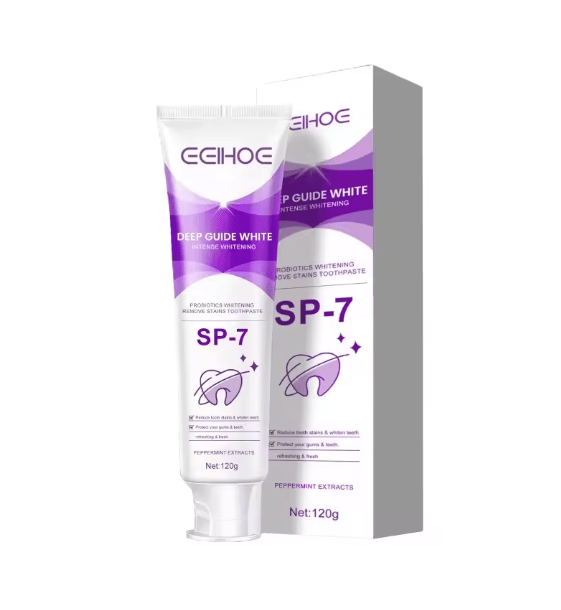
How abrasive it is
Abrasiveness is the property that does the stain removal, and it is also the property that needs limiting. Enamel does not grow back, so a paste that scrubs harder is not automatically better.
The WLD Store deep clean toothpaste is described in its listing as clinically tested gentle on enamel. Whatever tube you choose, pair it with a soft-bristled brush and light pressure, because technique affects wear far more than the paste alone does.
Whether it contains fluoride
This is the biggest single difference between formulas, and it deserves its own section further down. The WLD Store product is a fluoride-free formula, which is a deliberate choice some buyers want and others specifically do not.
Flavour and foam
Charcoal pastes tend to foam less than conventional ones, which some people read as the product not working. Foam is mostly cosmetic. What matters more is whether you find the flavour pleasant enough to brush for a full two minutes, because time on the teeth beats everything else.
How it behaves in the bathroom
A practical point nobody mentions in reviews: black paste stains grout, fabric and light-coloured basins if left to dry. A deep clean toothpaste needs a quick rinse of the sink after brushing, and it is worth knowing that before the first morning.
The WLD Store pick: Deep Clean Toothpaste
Here is what the WLD Store listing states about this product, with nothing added and manufacturer descriptions presented as such:
- Product: Deep Clean Whitening Charcoal Toothpaste
- Brand: WLD
- Categories: Home & Kitchen, and Personal Care
- Key ingredient: activated charcoal, described as removing stains and plaque naturally
- Formula: fluoride-free, with mint freshness
- Listing describes it as: clinically tested gentle on enamel, and effective on coffee, tea and tobacco stains
- Availability: sold across Saudi Arabia with secure checkout
- SKU: WLD-KSA-0104-(KD-KD0236)
The two details to weigh are the charcoal content and the absence of fluoride, since together they define who this deep clean toothpaste suits. You can see the full listing on the Deep Clean Toothpaste product page.
How to brush with a deep clean toothpaste
Technique matters more with an abrasive formula than with a conventional one, so it is worth being deliberate.
- Use a soft brush. Medium and hard bristles combined with an abrasive deep clean toothpaste is the combination most likely to cause wear over time.
- Use a small amount. A pea-sized blob is enough. More paste does not clean more, it just goes down the sink.
- Brush gently for two full minutes. Duration and coverage do the work. Pressure does not.
- Angle the bristles at the gum line. That is where plaque accumulates, and it is the area most people under-brush.
- Do not brush straight after acidic food or drink. Enamel is temporarily softened; wait at least half an hour.
- Rinse the sink afterwards. Charcoal residue sets into grout and silicone surprisingly quickly.
If you are switching to a deep clean toothpaste from a conventional paste, some people alternate rather than replacing entirely, using the charcoal formula some days and their usual paste on others. That is a reasonable middle path, especially if you want the stain-lifting effect without brushing with an abrasive product twice a day, every day.
Stains: what it can and cannot shift
Stains fall into two groups, and the distinction decides whether any deep clean toothpaste will help you.
Extrinsic stains sit on the outside of the enamel and come from the things you consume: coffee, tea, red drinks, tobacco. These are what a stain-removing paste is designed for, and they are the stains most likely to respond over a few weeks of consistent brushing.
Intrinsic discolouration is different. It comes from inside the tooth, whether from natural shade, ageing, an old injury or certain medications. Nothing brushed onto the surface reaches it, so a deep clean toothpaste will not change it no matter how long you persist.
If your teeth look yellower than you would like but have always looked that way, you are probably dealing with natural shade rather than staining. That is a conversation for a dentist about professional whitening, not a problem a tube will fix.
The fluoride question, honestly
This deserves a straight answer rather than a sidestep, because it is the most consequential thing about choosing a fluoride-free deep clean toothpaste.
Fluoride’s role in toothpaste is cavity prevention. It is included in most conventional pastes for that reason, and major dental organisations recommend it. A fluoride-free formula does not provide that protection, whatever else it does well.
That does not make fluoride-free products a mistake. Some people choose them deliberately, some are advised to for specific reasons, and some already get fluoride elsewhere. But the choice should be made knowingly, not by accident because a tube looked appealing.
The practical advice is simple: if you are prone to cavities, or you are choosing toothpaste for children, discuss it with your dentist before making a fluoride-free deep clean toothpaste your only paste. A dentist who knows your history is far better placed to advise than any product page.
What realistic whitening looks like
Expectations cause more disappointment with this category than the products themselves do.
A stain-removing paste works gradually. Surface marks lift over weeks of twice-daily brushing, not overnight, and the change is a return to your natural shade rather than a shift beyond it.
Photographs help here, exactly as they do with hair or skin routines. Take one in the same light at the start and again a month later, because gradual change is very hard to judge in a mirror you look at every day.
And if nothing has changed after a couple of months of consistent use, that is useful information rather than a failure. It usually means the discolouration is intrinsic, and no deep clean toothpaste will address that.
What else affects staining day to day
A paste is only one lever. The habits around it decide how much stain arrives in the first place, and they cost nothing at all.
Rinsing your mouth with plain water after coffee, tea or a dark soft drink removes a good part of the pigment before it settles. It takes five seconds and makes more difference across a year than most people expect.
Drinking dark liquids through a straw reduces contact with the front teeth, which are the ones anyone actually sees when you smile. It is not always practical, but it helps with iced drinks.
Timing matters as well. Brushing immediately after something acidic works against you, because enamel is briefly softened and an abrasive deep clean toothpaste then has more effect than intended. Waiting half an hour avoids the problem entirely.
Finally, keep your water intake up through the day. A dry mouth lets pigments and plaque sit undisturbed, and saliva is the body’s own rinse cycle. None of this replaces a deep clean toothpaste, but together these habits reduce how much work it has to do.
Who should be cautious
Anyone with sensitive teeth, receding gums or existing enamel wear should be careful with any abrasive formula and should ask a dentist first. Exposed root surfaces are considerably softer than enamel and wear much faster.
People with crowns, veneers, bonding or white fillings should also check. Restorations do not respond to stain removal the way natural enamel does, and uneven results across a smile are a common complaint.
A deep clean toothpaste is also not the right response to bleeding gums, persistent bad breath or pain. Those are signs to see a dentist, because they point at causes that brushing harder will not fix and may worsen.
Deep clean toothpaste versus other whitening options
A stain-removing paste is the cheapest and lowest-commitment option, and it slots into a routine you already have. That is its real advantage over everything else on this list.
Whitening strips and gels work chemically rather than mechanically and can change tooth shade rather than just removing surface deposits. They also carry more sensitivity risk and need a course of use rather than an ongoing habit.
Professional cleaning at a dental practice removes hardened deposits that no brushing reaches, and professional whitening is the only route that reliably alters intrinsic shade. Neither is something a deep clean toothpaste replaces.
Most people who are happy with their results use a combination: regular dental cleanings, a stain-managing paste at home, and realistic expectations about what each part contributes.
Trialling a new tube without upsetting your routine
Switching toothpaste is a small change, but it is worth doing deliberately so you can tell what is actually happening in your mouth.
Change one thing at a time. If you start a new paste, a new brush and a mouthwash in the same week, you will not know which one caused any sensitivity or which one produced any improvement.
Give it a fair trial length. Two weeks tells you whether you can tolerate the flavour, the texture and the lack of foam. A month tells you whether surface stains are actually shifting.
Watch for warning signs during that period: new sensitivity to cold, tenderness at the gum line, or any bleeding. Those mean stop and ask a dentist rather than persevere and hope it settles.
Keep your previous tube rather than throwing it out. Having a familiar paste to fall back on makes it easy to alternate, and alternating is the approach many people settle on with a deep clean toothpaste once the novelty has passed.
Storage, travel and shelf life
- Keep the cap on and the nozzle clean. Charcoal paste dries hard around a threaded cap and makes it difficult to close properly.
- Store it out of direct sun. A hot bathroom windowsill is the worst place for any toothpaste tube.
- Check the expiry date. Toothpaste does have one, and an old tube can separate or lose flavour.
- Bag it for travel. A leaking deep clean toothpaste inside a suitcase is considerably worse than a leaking white one.
- Keep it away from light fabrics. Towels and bathmats near the sink are the usual casualties.
Common problems and quick fixes
- My sink and grout are staining. Rinse the basin immediately after brushing rather than leaving residue to dry, which is when it sets.
- My teeth feel sensitive since switching. Stop, return to a gentle paste and speak to a dentist. Sensitivity is a signal, not something to push through.
- It barely foams. That is normal for charcoal formulas and says nothing about how well it cleans. Judge it on results after several weeks instead.
- I see no whitening at all. Either the routine is too short to judge yet, or the discolouration is intrinsic and needs a dentist rather than a deep clean toothpaste.
Buying checklist
- Does the tube state clearly whether it contains fluoride, and does that match what you need?
- Are your gums, enamel and any restorations in good enough condition for an abrasive formula?
- Do you have a soft-bristled brush to pair with it?
- Are your expectations set on surface stain removal rather than changing natural tooth shade?
- Have you checked with your dentist if you have sensitivity, cavities or dental work?
Other home and personal care picks at WLD Store
These three are also listed at WLD Store if you are shopping for the household more broadly.


Frequently asked questions about deep clean toothpaste
Does deep clean toothpaste really whiten teeth?
It removes surface stains from things like coffee and tea, which makes teeth look brighter by returning them towards their natural shade. It does not bleach or change the underlying colour of the tooth, so the effect has a clear ceiling.
Is charcoal toothpaste safe to use every day?
Many people do, but abrasiveness accumulates over years. Using a soft brush with light pressure matters, and alternating with a conventional paste is a sensible compromise. If you have sensitivity, receding gums or dental work, ask your dentist first.
Why is this deep clean toothpaste fluoride-free?
Some buyers specifically want a fluoride-free formula, and this product is made for them. It is worth knowing that fluoride is what provides cavity protection in conventional pastes, so if you are cavity-prone the choice is worth discussing with a dentist.
Will it stain my sink or my toothbrush?
Residue left to dry can mark grout, silicone and light surfaces, and brush bristles often pick up a grey tinge over time. Rinsing both the brush and the basin straight after use prevents nearly all of it.
How long before I see a difference?
Think in weeks rather than days. Surface stains lift gradually with twice-daily brushing, and a month is a fair point to judge. Photographs taken in the same light are far more reliable than looking in the mirror each morning.
Can children use a deep clean toothpaste?
Charcoal formulas are generally aimed at adults, and children’s dental needs are different, particularly around cavity protection. Choose a children’s paste recommended by your dentist rather than sharing an adult stain-removal product.
Used sensibly, with a soft brush, light pressure and honest expectations, a stain-managing paste is a useful part of a routine rather than a miracle. Pair it with regular dental visits and it earns its place. The Deep Clean Toothpaste lists its full description on the product page, and the rest of the range is in the Personal Care section.




Add comment