A cardboard cat house looks like the least serious pet purchase you could make, right up until you watch a cat abandon a padded bed to sit in one. Board hits an unusual combination of things cats care about: it is enclosed, it holds warmth, it deadens sound, it can be scratched without anyone getting annoyed, and it smells of nothing much. This guide looks at why the material works so well, what separates a well-made cardboard cat house from a flimsy one, whether small dogs get anything out of it, and how The Box Eco Pet House stocked at WLD Store is put together.
Why cats are so drawn to boxes
The pull is not a joke or an internet quirk, it is a den instinct. A small enclosure with solid sides and one opening means nothing can approach from behind, which lets an animal that is both predator and prey stop monitoring the room. That is why a cat in a box often looks more genuinely relaxed than the same cat on an open cushion.
Temperature is part of it too. Cats are comfortable at warmer temperatures than most people keep their homes, and an enclosed space traps body heat while the walls block draughts. Board is a surprisingly good insulator, far better than a hard plastic shell, which is why a cardboard cat house feels warm inside within minutes of a cat settling in it.
Sound matters more than people expect. Board absorbs rather than reflects, so the inside of a box is measurably quieter than the room around it. For a cat in a busy household, or one unsettled by visitors, building work or fireworks, that muffling is a real part of the appeal.
Finally there is texture. Cats scratch to condition claws and leave scent marks, and board gives exactly the resistance they look for. A surface the cat is allowed to shred is worth having, because the alternative surface in the room is usually upholstered. If you want the background on how the material is built up in layers, the entry on corrugated fiberboard explains why it is stiff and light at the same time.
What makes a good cardboard cat house
The gap between a decent one and a poor one is wider than the photographs suggest, and almost all of it is in construction rather than styling.
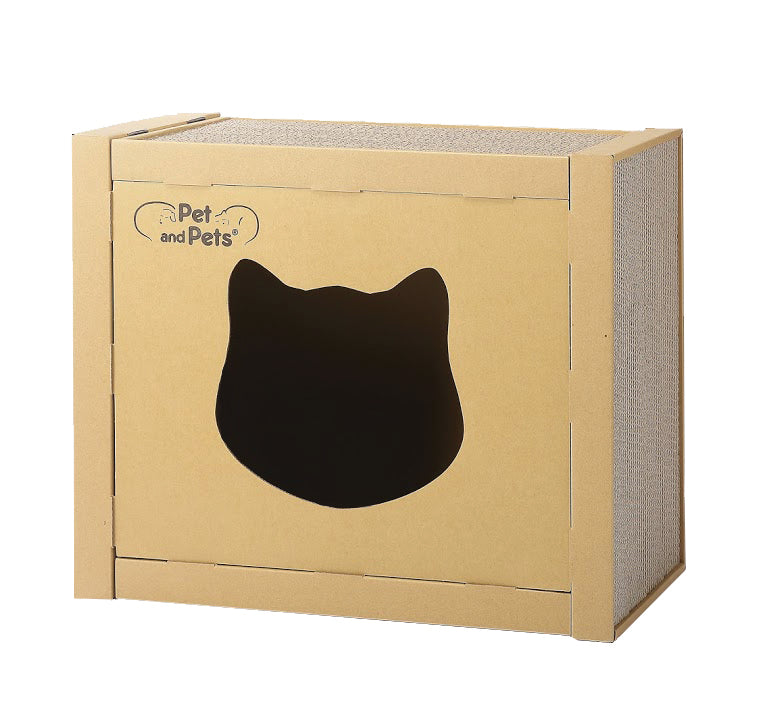
The board itself
Thickness and layering decide everything. A single thin wall flexes when an animal leans on it and collapses at the corners within weeks; a properly layered board holds its shape under repeated use. Run a thumbnail along an edge if you can see one in person: you are looking for a structure that resists rather than crushes. A durable cardboard cat house should feel like furniture, not packaging.
The opening
Size and position of the entrance change how a pet uses the house. Too small and larger cats will not commit; too large and the enclosed feeling that makes it attractive disappears. A good opening lets an animal get in and turn around comfortably while still leaving most of the body screened from the room. A second smaller opening or window suits nervous animals, because a den with only one exit can feel like a trap.
Floor size and shape
Cats curl, so floor area matters less than you would guess, but there should be room to turn and stretch. If a small dog will use it, measure the animal lying down rather than standing. A house that is slightly snug is usually preferred to one that is generously sized, which is the opposite of how people choose beds for themselves.
Finish and how it looks in the room
This is a legitimate consideration, not vanity. Pet furniture lives in the living room, and a plain, minimalist cardboard cat house disappears into a space in a way that a brightly patterned plush tower does not. Because you are more likely to leave a good-looking one out in the open, the design directly affects whether the pet actually gets to use it.
Assembly and flat-packing
Slot-together construction that needs no tools is the norm and it is worth checking it also comes apart. A house that can be flattened stores easily out of season, moves house without a van, and goes into recycling neatly at the end of its life.
The WLD Store pick: The Box Eco Pet House
Here is the cardboard cat house we stock, described using only what the listing states:
- Product: The Box Eco Pet House, a modern cardboard cat and small dog house
- Brand: WLD
- Category: Home and Kitchen, pet
- Style: minimalist and eco-friendly
- Material: durable recyclable board
- Intended for: cats and small dogs, as a cosy hideout
- Design note: made to look good in a living space rather than be hidden away
- SKU: WLD-US-0024-(IS-TDNS000649B001467P000033V001)
- Availability: available across the USA through WLD Store with secure checkout
A single-level den is a different proposition from a multi-storey tower: it is for animals that want to hide rather than to climb, and it takes up very little floor area. Full details and current availability are on the The Box Eco Pet House product page.
Does a cardboard cat house work for small dogs?
Often, yes, though for slightly different reasons. Many small breeds are natural burrowers who sleep pressed against something, and a den with three solid walls gives them that contact without a person having to provide it. Dogs that struggle with thunderstorms or fireworks frequently settle better in an enclosed space than in an open bed.
Two cautions are worth stating. First, chewers are a different matter: a dog that destroys soft toys will treat a cardboard cat house as an afternoon project, and board is not intended to be eaten. Second, size honestly. A dog that has to reverse out because it cannot turn around will not use the house twice.
In a mixed household, expect negotiation. Cats generally claim enclosed spaces faster than dogs do, and a shared den is rarely genuinely shared. If both animals want one, two separate houses cause far less friction than one contested spot.
Where to place a cardboard cat house
- Against a wall or in a corner. A protected back is most of what makes a den feel like a den.
- In a room the household uses. Pets want proximity, not isolation. A cardboard cat house in a spare bedroom mostly stays empty.
- Out of the walkway. Being stepped over repeatedly undoes the sense of safety.
- Warm and dry. Board and damp are a bad combination, so keep it away from doorways where rain blows in and away from bathrooms.
- Out of direct sun. Sunlight fades and weakens board over time, and the inside gets uncomfortably hot.
- Away from food and litter. Animals separate resting from eating and toileting, and a den next to either gets rejected.
When a den matters most
The value of an enclosed space is not spread evenly across the year. It spikes at exactly the moments a household is hardest on an animal: moving house, a new baby, building work, guests staying over, fireworks, or the unsettled days after a vet visit.
At those times a pet needs somewhere to retreat that nobody else uses and nobody reaches into. That last part is the one people get wrong. A den only works if it is genuinely treated as off limits, which is worth explaining to children before it becomes an issue, because a hiding place that keeps getting investigated stops being a hiding place.
If you know a disruption is coming, put the cardboard cat house out a couple of weeks beforehand rather than on the day. An animal that already associates the structure with calm will retreat to it under stress. One meeting it for the first time in the middle of the upheaval will usually ignore it and pick somewhere far less convenient, typically under a bed you cannot reach.
Cardboard cat house care, upkeep and when to replace
- Vacuum it rather than washing it. A brush attachment on low suction lifts hair from corners without wetting the board.
- Spot clean with a barely damp cloth. Then dry it immediately. Water is the one thing that genuinely shortens the life of a cardboard cat house.
- Put washable bedding inside. Wash the blanket weekly and leave the structure alone; that handles nearly all the hygiene.
- Check the corners every few months. Softening at a load-bearing corner is the sign a house is nearing the end of its useful life.
- Let scratched surfaces wear. Scratching is the point. Shredded edges are a house being used, not a house failing.
- Recycle it when it is done. Flatten it and put it in the paper stream, which is the main practical advantage of board over plastic pet furniture.
Common cardboard cat house problems and quick fixes
- The pet ignores it completely. Almost always placement or scent. Move it against a wall in a busier room and put a blanket that smells of the animal inside.
- It has gone soft at one corner. Usually from damp or from being used as a launch pad. Move it off any cold floor, and reinforce or replace if it is load-bearing.
- The dog is chewing it. Board is not a chew toy. Redirect to an actual chew, and if the behaviour continues, this is not the right product for that animal.
- Two pets are fighting over it. One den cannot be shared by two animals that both want privacy. A second cardboard cat house is a cheaper fix than a behavioural problem.
Cardboard cat house buying checklist
- How thick and how layered is the board? This single factor decides how long it lasts.
- Can your animal get in, turn around and lie down? Measure the pet, not the doorway.
- Does it come apart for storage and recycling? Flat-packing is genuinely useful at both ends of its life.
- Will you be happy leaving it in the living room? If it gets hidden away, it will not get used.
- Is it a den or a climbing frame you actually want? A single-level cardboard cat house suits hiders; climbers want levels instead.
More home and pet picks at WLD Store
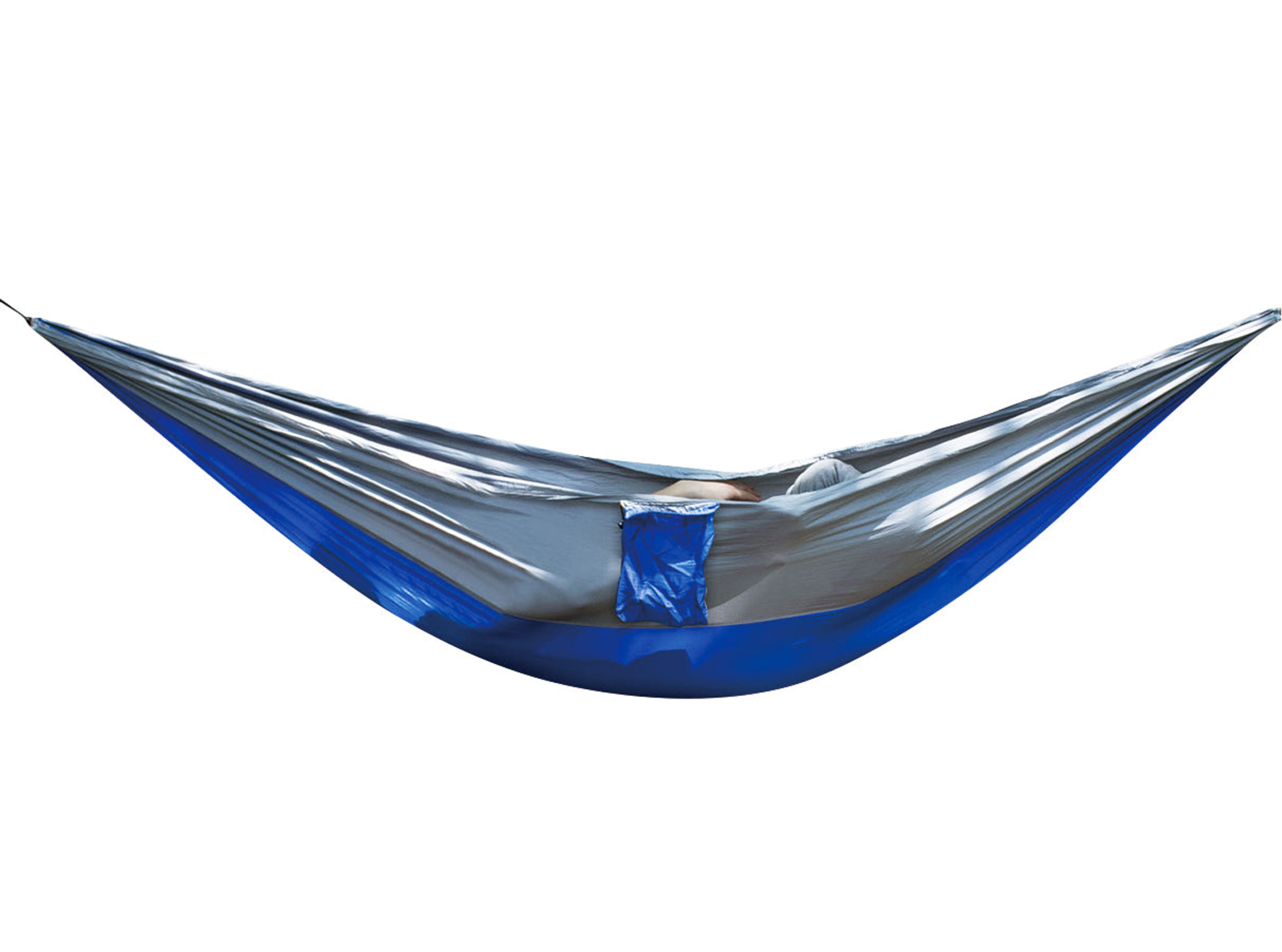
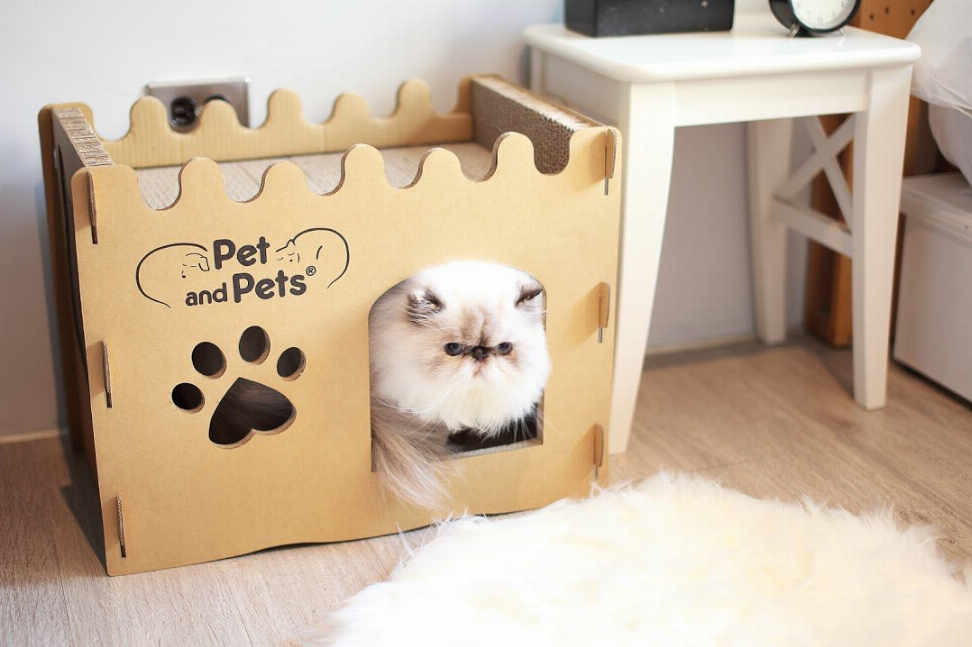
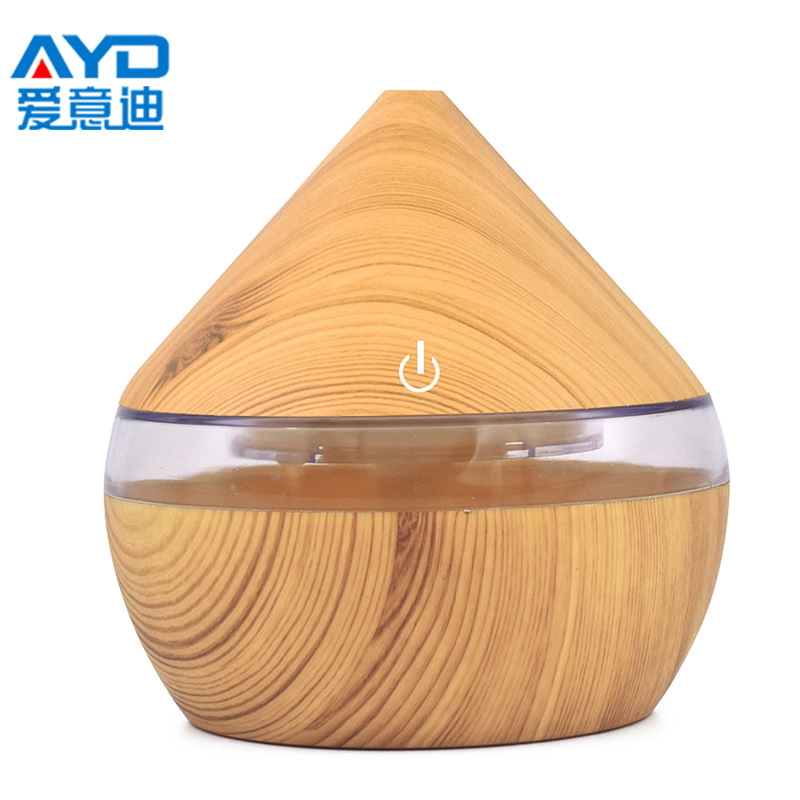
These three are frequently bought alongside a cardboard cat house:
Cardboard cat house or a fabric, wicker or wooden one
Every den material trades something away, and a cardboard cat house is no exception. Knowing what each one gives up makes the choice quick.
Corrugated board is quiet, light, warm and disposable. It is full of air, which insulates well, and it absorbs sound so the inside feels genuinely calmer than a plastic shell. It is also the only option a cat is allowed to wreck without anyone minding, which matters more than it sounds, because scratching and chewing around the entrance is normal behaviour rather than damage.
Fabric cubes are soft and fold flat, but they hold hair and odour and most cannot be washed properly. Wicker looks good in a living room and lasts for years, though loose strands catch claws and a nervous cat gets very little privacy behind an open weave. Wooden houses last longest and wipe clean, but they are heavy, awkward to move to a quiet room during fireworks, and cold to lie in without a blanket.
- Warmth without a heated bed: a cardboard cat house.
- Cats who shred their bedding: cardboard, because replacing it is trivial.
- Homes with allergies: wood or wicker, which can be wiped down.
- A covered balcony or porch: wood, since cardboard and damp do not mix.
- Small flats and frequent moves: cardboard, for weight and flat packing.
Cost over time is the honest tiebreaker. A wooden house bought once may outlast several cardboard ones, but a cardboard cat house replaced when it gets grubby is always a clean den, and a wooden one that never gets scrubbed is not.
Recycling a cardboard cat house when the cat is finished with it
Cardboard is one of the few pet products with an easy ending, provided you treat it as recycling rather than rubbish.
Flatten it first. A collapsed cardboard cat house takes a fraction of the bin space, and most kerbside collections will refuse a bulky box that fills the container on its own. Break the glued seams rather than crushing the panels, and it will lie properly flat.
Pull off anything that is not paper. Plastic tape, adhesive feet, foam pads, staples and any laminated or shiny panel should come away before the rest goes in. Small paper labels are usually tolerated; a strip of packing tape running the length of a panel is not.
Board that is genuinely soiled cannot be recycled. Urine, food grease and litter contaminate the paper fibres, and one badly soiled box can get a whole bin rejected. If some panels are clean and others are not, cut the clean parts away and recycle those; the rest goes in general waste, or on a home compost heap if it is only damp and free of tape.
There is a middle option worth taking first. A cardboard cat house the cat has outgrown but not ruined still makes a decent scratching surface, a protective base layer under a litter tray, or a spare den for a visiting pet. Corrugated board is also welcome on most allotments as a weed-suppressing mulch layer, once the tape is off.
Frequently asked questions about a cardboard cat house
How long does one last?
It depends almost entirely on the animal and on damp. A house kept dry, used by a cat that sleeps in it and scratches the outside, lasts a long time; one on a cold floor or used by an enthusiastic chewer does not. Treat a cardboard cat house as a durable but replaceable item, which is also why the recyclable material matters.
Is it safe if my cat chews the edges?
Light gnawing at an edge is common and is generally scratching behaviour rather than eating. What you do not want is an animal actually consuming pieces, or any house with ink, tape or staples where a pet can reach them. If your pet swallows material rather than shredding it, speak to a vet and switch to a different product.
Can it go outside on a covered porch?
Board and outdoor conditions do not mix well. Even under cover, humidity softens the structure and it will not last. Keep a cardboard cat house indoors and choose a weatherproof material for anything that lives outside.
Will it fit a large cat?
Check the stated dimensions against your cat rather than guessing from a photograph. The test is whether the animal can enter, turn around and lie stretched out on one side. Large breeds often need more floor space than a standard den offers.
How do I get my pet to use it?
Put it in place and leave it alone. Add bedding that already smells of the animal, drop a treat just inside the opening, and resist lifting the pet into it. Most cats investigate within a day; nervous animals may take a couple of weeks.
Is it really recyclable?
Board goes into the paper recycling stream in most areas once it is flattened, provided it is dry and free of heavy contamination. That is the practical environmental argument for a cardboard cat house over moulded plastic, which mostly is not recycled at end of life.
A cardboard cat house works because it gives an animal a warm, quiet, defensible corner and gives you something you are willing to leave in the living room. If The Box suits your space, the full listing is on the product page, and the rest of the range is in the Home & Kitchen section.






Add comment