A good car wax polish is the cheapest protection a car ever gets. It sits on top of the paint, takes the abuse that the paint would otherwise take, and makes the surface easier to wash for months afterwards. The shine is the visible part; the protection is the point.
This guide explains what wax actually does, how it differs from polish, sealant and ceramic coatings, a nine-step application method, how to work in a hot climate without ruining the finish, how often to reapply, and six questions drivers in Saudi Arabia ask before buying.
What a car wax polish actually does
Modern car paint is built in layers. Underneath is primer, then the coloured base coat, and on top a clear coat that carries the gloss and takes all the wear. Everything you see when a car looks good or looks tired is happening in that clear layer.
Sunlight, dust, detergent, bird droppings and heat all attack the clear coat. Over years it dulls, and the dullness is not dirt, it is microscopic damage to a surface that used to be perfectly smooth.
A car wax polish adds a thin sacrificial film over that clear coat. Contaminants land on the wax instead of the paint, water beads and runs off rather than sitting in a puddle, and dust has less to grip onto.
There is a second, cosmetic effect. A wax film fills and smooths the very finest surface irregularities, so light reflects more evenly. That is why a freshly waxed panel looks deeper and darker even though nothing about the colour has changed.
Wax, polish, sealant and ceramic: the terms explained
These four words are used interchangeably in advertising, which causes most of the confusion in car care. They are genuinely different things.
Polish in the strict sense is mildly abrasive. It removes a tiny amount of clear coat to level out swirls and light marks. It corrects; it does not protect.
Wax is a protective layer, traditionally based on natural carnauba, that adds gloss and water beading but does not remove anything. Many consumer products sold as a car wax polish combine both jobs in one bottle, which is what makes them convenient.
Sealant is a synthetic protective layer. It usually lasts longer than natural wax and gives a sharper, glassier look rather than a warm one.
Ceramic coating is a semi-permanent layer applied professionally or with careful preparation. It lasts far longer and costs far more. Background on the natural wax that gave the category its name is on the carnauba wax reference page.
For most drivers, a combined car wax polish is the sensible middle ground: noticeably better than nothing, quick enough to do on a weekend, and cheap enough to repeat several times a year.
What makes a good car wax polish
Products in this category differ in four ways that a shopper can actually assess before buying.
How it is applied
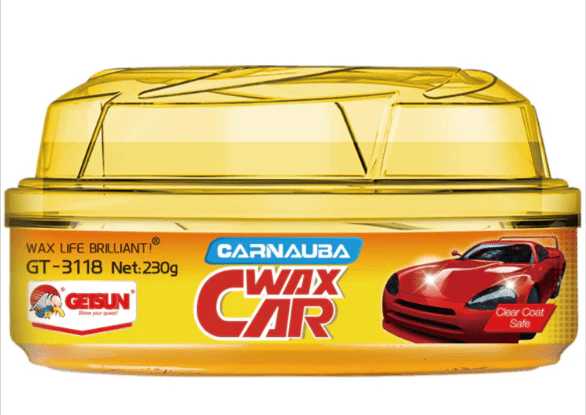
Paste waxes give excellent results and take real effort. Spray-on products are much faster and suit a car that is waxed often rather than rarely. This listing describes an easy spray-and-wipe application.
Speed matters more than most people expect. A car wax polish that takes twenty minutes gets used every month; one that takes three hours gets used once a year, and once a year is not protection.
Durability in real conditions
Every wax wears off. Heat, detergent washes and sunlight all shorten its life, and a car parked outdoors loses protection faster than one in a garage.
The WLD Store listing describes long-lasting UV protection intended to guard against the strong Saudi sun. That is exactly the property that matters most in this region, because ultraviolet exposure is the main enemy of clear coat here.
Colour safety
Some traditional waxes are tinted or leave visible residue in panel gaps, which is more obvious on light colours. The listing states this car wax polish works on all car colours.
Whatever you use, keep it off unpainted black plastic trim. Dried wax in textured plastic is the most common cosmetic mistake in home detailing, and it takes far longer to remove than it took to create.
Finish and correction claims
The listing describes a product that buffs away light scratches, removes oxidation and leaves a deep, glossy finish. Treat claims of this kind as applying to very fine surface marks: the sort you can see but not feel with a fingernail.
The WLD Store pick: Car Wax Polish
Here is what the WLD Store listing states about this car wax polish, with nothing added.
- Product: Car Wax Polish, listed under Automotive and Car Accessories.
- Brand: WLD.
- Described as: a premium paint protection formula that buffs away light scratches, eliminates oxidation and leaves a deep, glossy finish.
- Application: the listing describes easy spray-and-wipe use.
- Compatibility: stated to work on all car colours.
- Protection: the listing describes long-lasting UV protection against harsh sun.
- Market: available across Saudi Arabia, with secure checkout.
- SKU: WLD-KSA-0037-(KD-KD0031).
Bottle size, current photographs and the full listed description are on the Car Wax Polish product page. Always read the label on the bottle you receive before the first application, since instructions vary between formulations.
Preparing the car before you wax
Preparation decides the result far more than the product does. Wax applied over a dirty panel seals the dirt in place and looks worse than no wax at all.
Wash the whole car first and let it cool. Use two buckets, one with shampoo and one with plain water for rinsing the mitt, so grit that comes off the paint does not go straight back onto it.
Dry with a clean microfibre or drying towel rather than letting the car air dry. In hard water areas, evaporating droplets leave mineral spots that a car wax polish will then lock in.
Run the back of your hand over the paint. If it feels gritty rather than smooth, the surface has bonded contamination and a clay bar or clay mitt is worth doing first. This step is what separates a good result from an excellent one.
Finally, park in shade. This is not optional in Saudi Arabia, and it is the single most common reason home waxing goes wrong.
The nine-step application method
Work one panel at a time, top to bottom. The whole car should take under an hour with a spray product once you have a rhythm.
- 1. Confirm the panel is cool. If it is uncomfortable to rest a palm on, wait.
- 2. Shake the bottle properly. Separated product applies unevenly and streaks.
- 3. Test on a small area first. An unpainted corner of a boot lid tells you how this car wax polish behaves on your paint.
- 4. Apply thinly. Two light passes always beat one heavy one, and thick wax is simply harder to remove.
- 5. Spread in straight lines, not circles. Straight passes make any leftover marks far less visible.
- 6. Let it haze if the instructions say to. Some spray products are wipe-off immediately; follow the label rather than habit.
- 7. Buff with a clean, dry microfibre. Turn the cloth often and use a second one for the final pass.
- 8. Do glass and trim last, carefully. Keep the product off rubber seals and textured plastic.
- 9. Walk around in daylight. Missed patches show as dull streaks, and they are trivial to fix immediately and annoying to fix a week later.
Use separate cloths for applying and for buffing, and never let a cloth touch the ground. A dropped microfibre picks up grit, and grit dragged across paint puts in exactly the swirl marks a car wax polish is meant to hide.
Working in a hot climate
Heat changes how every car care product behaves, and Saudi Arabia is at the demanding end of that scale.
The core rule is simple: never apply wax to a hot panel in direct sun. Product flashes off before it can be spread evenly, dries hard in patches and becomes far harder to remove than it should be.
Work early in the morning or after sunset, when panels have cooled. A shaded garage is better still, and an evening session in still air avoids both heat and blowing dust.
Work smaller sections when it is warm. Half a bonnet at a time is realistic in high temperatures, even if a whole bonnet is comfortable on a mild day.
Expect shorter intervals between applications than the label suggests. Strong sun, hot panels and frequent dust washing all shorten the life of any car wax polish, whatever the packaging claims in a temperate market.
How often to reapply
The honest answer is that the car tells you. When water stops beading and starts sheeting flatly across the paint, the protective layer has thinned.
A garaged car that is washed gently might hold a spray wax for a couple of months. A car parked outdoors in full sun and washed often will need it sooner.
A practical routine for most drivers is to reapply a car wax polish at the start of each season, and to spot-treat the bonnet and roof more often, because horizontal panels take the most direct sunlight and the most fallout.
There is no harm in waxing more often. Layers do not build up indefinitely, but topping up costs little and the surface is always easier to wash when protection is fresh.
Care between waxes
What you do between applications decides how long the protection survives.
Use a pH-neutral car shampoo rather than dish detergent. Household detergents are designed to strip oils and grease, and they strip wax just as efficiently.
Remove bird droppings and tree sap as soon as you notice them. Both are acidic and can etch through a wax layer and into the clear coat if left in the sun for days.
Dry the car rather than letting it dry itself, and avoid automatic brush car washes where you can. Spinning brushes are the fastest way to put swirl marks into a surface you have just protected.
Common problems and quick fixes
Four issues account for most disappointing results with any spray wax.
- Streaks and smears in sunlight. Too much product, or it dried before buffing. Mist the area lightly and buff again with a clean, dry microfibre.
- White residue in panel gaps and around badges. Overspray that dried. A soft detailing brush or a cotton bud removes it; work dry, not wet.
- Water no longer beads after a few weeks. Usually detergent washing. Switch to a car shampoo and reapply the car wax polish.
- Fine scratches are still visible. Wax hides very light marks only. Anything you can feel with a fingernail needs machine correction or a body shop.
Buying checklist
Five questions before ordering any car wax polish.
- How much time will you realistically spend? A spray product used often protects better than a paste used once a year.
- Where is the car parked? Outdoor parking in strong sun demands more frequent reapplication.
- Is it safe for your paint colour and finish? Matte and satin wraps need dedicated products, not conventional wax.
- Do you have the right cloths? Two or three clean microfibres matter as much as the bottle.
- What problem are you solving? Protection and gloss are wax jobs; deep scratches are not.
When wax is not the answer
There are situations where no amount of waxing will help, and recognising them saves money and effort.
Deep scratches that catch a fingernail have gone through the clear coat. A car wax polish can make them less obvious in some light, but the repair is filling and refinishing, not waxing.
Clear coat that has begun to peel or flake is past protection. Once that layer fails, wax has nothing sound to bond to and the panel needs refinishing.
Matte and satin finishes, including vinyl wraps, should not be waxed with conventional products. Gloss enhancers are exactly the wrong thing for a surface designed not to shine.
The panels people forget to wax
Most home detailing covers the bonnet, roof, doors and boot lid, and stops there. The forgotten areas are the ones that age first.
Door shuts and the painted edges inside the door frames collect dust and hand marks constantly. A quick pass with a car wax polish on a folded cloth keeps them easy to wipe clean.
The lower quarter of every panel takes road grit and standing water, which is why paint often dulls from the bottom up. It deserves at least as much protection as the bonnet, not less.
The rear bumper above the exhaust is another regular casualty, especially on light-coloured cars. Protecting it makes exhaust staining far easier to remove later.
Painted mirror caps and the top of the fuel filler flap round out the list. None of these areas take long, and a car wax polish applied to them once is usually visible for months.
Tools that make the job easier
The product is the cheap part. A few inexpensive tools make the difference between a satisfying afternoon and a frustrating one.
Buy microfibre cloths in quantity and keep them sorted by job: applying, buffing, glass and wheels. Cross-using a wheel cloth on paint is how grit gets dragged across a panel.
Wash them separately from household laundry, without fabric softener, which coats the fibres and stops them absorbing. Clean cloths are what make a car wax polish buff off cleanly instead of smearing.
A soft detailing brush handles badges, grilles and panel gaps, which is where dried residue always hides. A cheap spray bottle of clean water helps re-wet an area that has flashed off too fast.
Finally, keep the bottle out of a hot car. Storing a car wax polish in a boot through a Saudi summer is hard on the formulation, and a cool, dark cupboard costs nothing.
Other Automotive picks at WLD Store
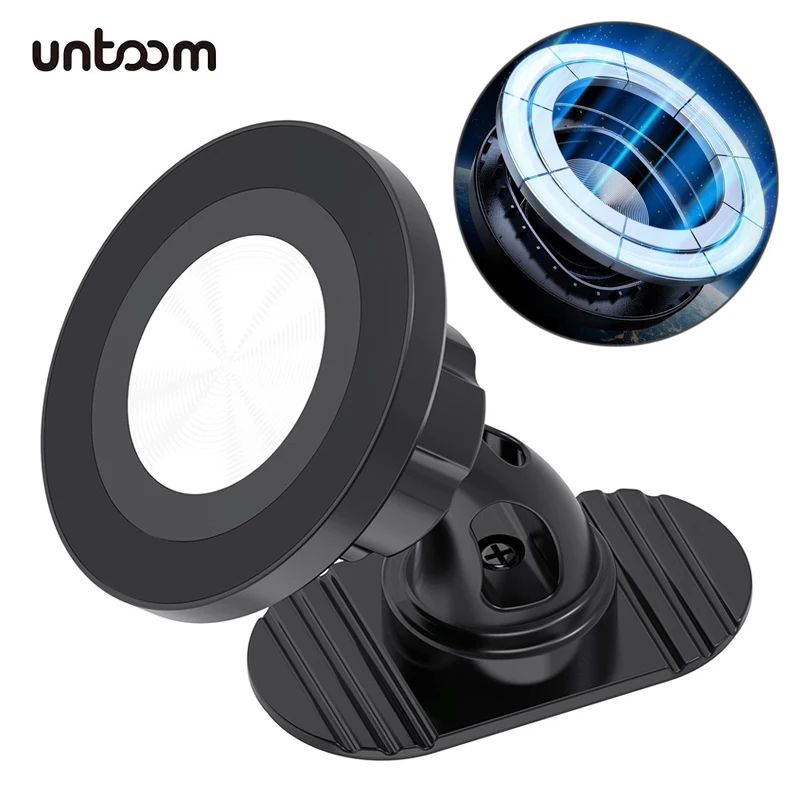
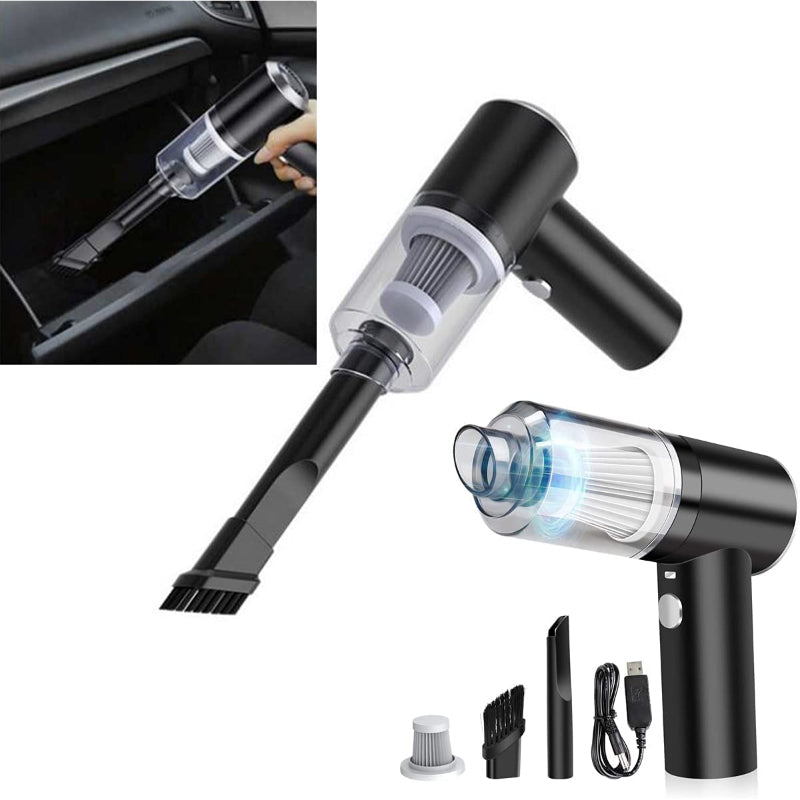
Three more car accessories from the same range worth a look while you are shopping.

Frequently asked questions about car wax polish
How long does a spray wax last?
It depends on parking, washing habits and sun exposure far more than on the bottle. Judge it by water behaviour: strong beading means the layer is working, flat sheeting means it is time to reapply.
Can I apply it in direct sunlight?
Avoid it. Hot panels make any car wax polish dry too fast, which causes streaking and makes removal much harder. Shade, early morning or evening are the times to work.
Will it remove scratches?
The listing describes buffing away light scratches. In practice that means very fine surface marks. Anything your fingernail catches on is deeper than a wax can address.
Is it safe on a black car?
Yes, and dark colours usually show the biggest visual improvement. They also show application errors most clearly, so apply thinly and buff with a clean cloth.
Can I use it on glass and headlights?
Check the label. Many products are fine on glass, though some leave a haze that affects wiper performance. Keep any car wax polish off textured plastic trim regardless.
Do I need to polish before waxing?
Not always. If the paint is smooth and simply lacks gloss, wax alone is enough. If it feels rough or looks oxidised, a decontamination and correction step first makes a much bigger difference.
Protection is a habit rather than a one-off job: wash gently, work in shade, apply thinly and top up when the water stops beading. You can see the current listing on the Car Wax Polish page, or browse the rest of the car care range in the Car Accessories section.



Add comment