An allah calligraphy necklace is judged almost entirely on one thing that most listings never mention: which script the lettering is based on, and how faithfully it has been cut. This guide starts there, then works through the practical questions — what black, silver and golden finishes really mean for durability, how weight affects all-day comfort, how the piece behaves under an abaya, what a “hypoallergenic” claim does and does not promise, and how to clean each finish without ruining it. There are honest notes on when to take it off, too.
What the piece is meant to do
Most people buy an allah calligraphy necklace as a quiet daily companion rather than a statement item. It goes under a collar, it is felt more than seen, and it is chosen for the words rather than for how much attention it attracts.
That purpose sets the priorities. A piece that is beautiful in a photograph but heavy, sharp-edged or awkward under clothing will not get worn, no matter how good the design is. Comfort and durability come first.
It also explains the popularity of small, restrained shapes. An allah calligraphy necklace scaled up to statement size becomes harder to wear, easier to snag and more likely to be left in a drawer for special occasions only.
One note on etiquette before the practical parts: opinions among scholars differ about wearing sacred names in certain circumstances. This guide does not take a position — if the question matters to you, ask someone qualified whose guidance you follow.
Calligraphic styles worth recognising
Arabic script is not one style but many, and the one a designer chooses changes the character of the whole piece. You do not need to be an expert; recognising the four common families is enough to buy well.
Kufic
Kufic is angular, geometric and among the oldest forms. It translates superbly into metal because the straight strokes are strong and easy to cast cleanly. An allah calligraphy necklace in a Kufic style tends to read as modern and architectural.
Naskh
Naskh is the rounded, highly legible script used for most printed Arabic. It is the easiest to read at small sizes, which makes it a sensible choice for a small pendant that will be seen close up.
Thuluth
Thuluth is the flowing, ceremonial script familiar from mosque inscriptions. It is the most decorative of the four and the hardest to render at small scale — a Thuluth-inspired allah calligraphy necklace needs generous size or the fine strokes disappear.
Diwani and ornamental hands
Diwani and related ornamental styles are dense and curving, designed originally for official documents. They look magnificent large and become an unreadable knot when shrunk. If a listing shows a very ornate design at pendant scale, look closely at whether the letters still separate cleanly.
How to judge the casting quality
Most affordable pendants are cast rather than hand-cut, and casting is where quality is won or lost. A few checks separate a careful piece from a rushed one.
- Look for filled counters. The enclosed spaces inside letters should be open and clean. Metal that has flowed into them blurs the word.
- Check stroke consistency. Strokes that should be thin and thick in the right places tell you the mould was made from proper lettering rather than traced.
- Inspect the reverse. The back of an allah calligraphy necklace is often left rough on cheap pieces, and a rough back rubs skin all day.
- Hunt for a seam. A faint line around the outline is normal; a raised ridge you can feel means it was never finished properly.
- Compare two photographs. If the lettering looks subtly different between images, at least one has been retouched.
The WLD Store pick: Allah Calligraphy Pendant Necklace
These are the details the WLD Store listing provides, quoted as the seller’s description rather than as independently verified specifications:
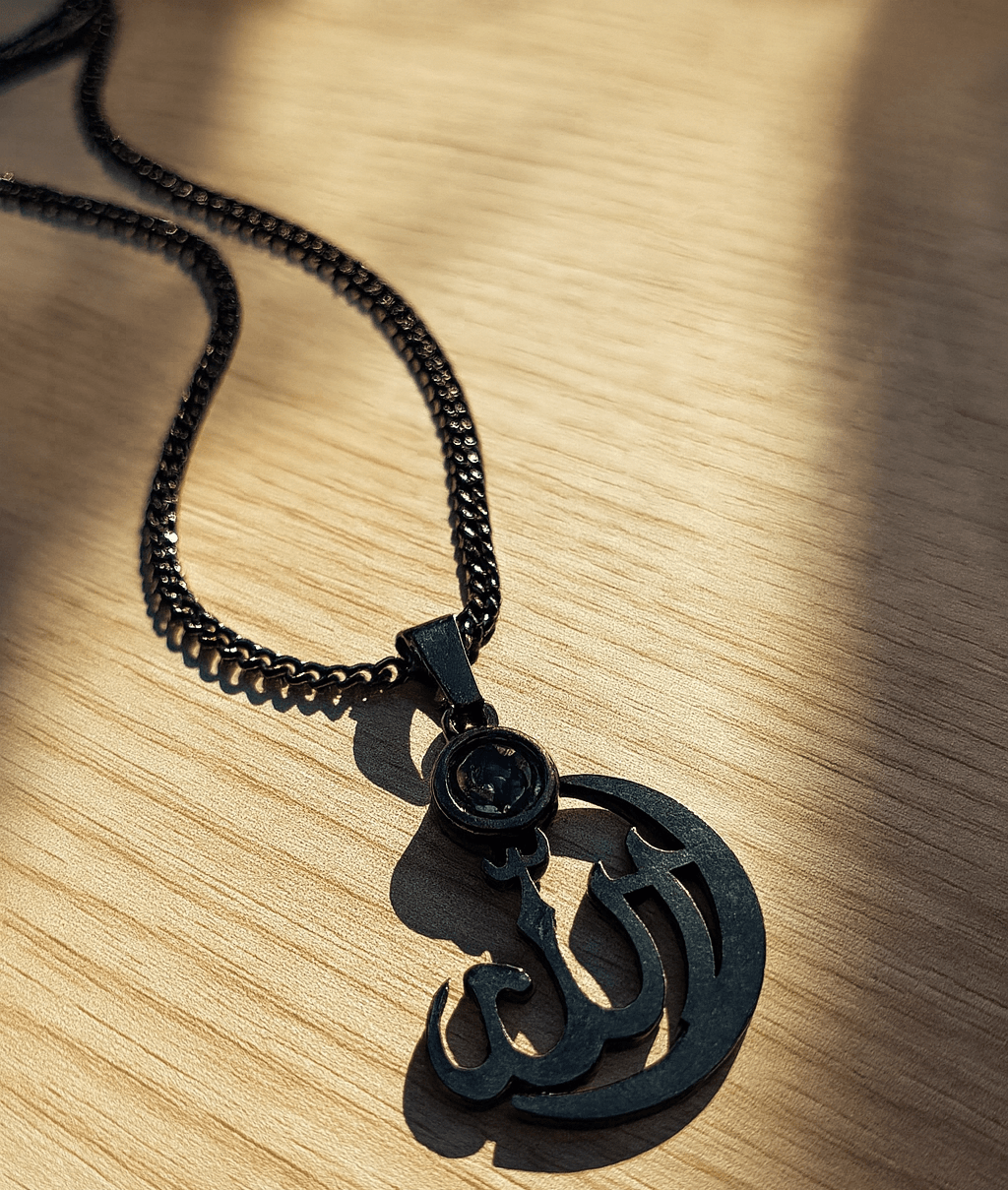
- Product: Allah Calligraphy Pendant Necklace, described as an elegant sacred Islamic jewellery piece.
- Finishes per the listing: available in Black, Silver and Golden.
- Design per the listing: lightweight, hypoallergenic and crafted for comfort.
- Positioning per the listing: suggested as a thoughtful Eid gift or an everyday accessory for Muslim women.
- Category: Fashion, filed under Islamic Jewelry & Accessories.
- Brand: WLD | SKU: WLD-KSA-0002-(KD-KD0189)
- Availability: listed for customers across Saudi Arabia, with secure checkout.
The listing does not name the base metal, chain length or pendant dimensions, so check the current product page for those before choosing a finish. Full details are on the Allah Calligraphy Pendant Necklace product page.
Black, silver or golden?
On an allah calligraphy necklace, finish is not only a colour decision. Each of the three behaves differently over a year of daily wear, and knowing how changes which one you should pick.
Silver-tone finishes are the most forgiving. Scratches blend into the surface, and if the piece is solid steel the colour is the metal itself rather than a layer that can wear away. This is the low-maintenance option for an allah calligraphy necklace you intend to wear constantly.
Golden finishes on affordable jewellery are usually applied by electroplating. They look warm and rich, and the plating is a thin surface layer that thins first at edges and at any point that rubs fabric. Expect gradual change rather than permanence.
Black finishes are also coatings, and they behave like the black watch cases many people know: excellent at hiding fine scratches, but they show a bright mark clearly once the coating wears through. A black allah calligraphy necklace looks sharpest of the three when new and ages the most visibly.
Weight, comfort and all-day wear
Weight is the most underrated specification on an allah calligraphy necklace, and it is the reason many pieces stop being worn after a fortnight.
A light pendant sits flat, moves with you and is forgotten within minutes. A heavy one pulls the chain into the back of the neck, swings when you walk and presses when you lean forward. Since an allah calligraphy necklace is usually intended for daily wear, lighter is genuinely better here.
Edges matter too. Run a fingertip around the outline of any pendant you own: if it catches, that edge will catch on clothing as well. Cast pieces are sometimes left with a fine seam that a good manufacturer files away and a careless one does not.
Getting the proportions right
Scale is a quiet decision that shapes how often a piece gets worn. A pendant that is too large for the wearer’s frame dominates everything else; one that is too small disappears entirely against patterned fabric.
A useful rule of thumb is to compare it with something you already wear happily. If your everyday pieces are delicate, a heavy allah calligraphy necklace will feel like a costume; if you normally wear bolder jewellery, a tiny pendant will look lost.
Chain width plays into the same balance. A thin chain under a substantial pendant looks strained, and a heavy chain under a small one swamps it. When an allah calligraphy necklace comes as a matched set, that decision has already been made for you — check that the pairing looks right before committing to daily wear.
Wearing it with an abaya or hijab
Layered clothing changes what works for an allah calligraphy necklace. A pendant worn under fabric rubs continuously, and that friction is what wears plating and dulls finishes fastest.
If the necklace will sit under an abaya most of the day, a solid, uncoated finish will survive far better than a plated one. A slightly shorter chain also helps, because it keeps the allah calligraphy necklace higher on the chest where there is less movement against fabric.
Where a piece is worn over clothing, the calculation reverses and appearance matters more than abrasion. Many people end up owning one plain everyday piece and one more decorative one for occasions, which is a sensible split rather than an indulgence.
What “hypoallergenic” actually means
The word appears constantly in jewellery listings and it is worth understanding precisely, because it is a marketing term rather than a regulated standard.
It generally indicates that a product is intended to be less likely to cause a reaction. It is not a guarantee that no one will react, and it does not certify that any specific metal has been excluded. Where a listing describes an allah calligraphy necklace as hypoallergenic, treat it as the seller’s claim and judge by your own experience.
If you have reacted to jewellery before, the practical approach is unchanged: prefer good-quality stainless steel or solid silver, wear a new piece for a few hours rather than a full day at first, and stop at the first sign of itching or redness. A rash that persists after you remove the item is worth showing to a doctor.
Cleaning, finish by finish
The single most common way people damage an allah calligraphy necklace is cleaning it the way they saw online without checking what the finish can take.
- Solid steel: warm water, mild soap, a soft brush for the lettering, then dry fully. It tolerates this indefinitely.
- Silver: the same, plus an occasional polishing cloth for tarnish. Avoid dips and pastes on engraved areas, which strip the darkening that makes script readable.
- Gold-plated: a soft dry cloth only, and water sparingly. Never use polish — it removes plating. Handle a plated allah calligraphy necklace as gently as you would a printed surface.
- Black-coated: soft cloth, no abrasives, no solvents. Coatings dislike alcohol-based products, which includes many perfumes.
- All finishes: put jewellery on after perfume and cream, never before.
Storage that prevents damage
Most damage to an allah calligraphy necklace happens in a drawer rather than on a person. Metal against metal scratches, and chains tie themselves in knots given the chance.
Hang each necklace separately, or give every piece its own soft pouch. Keep an allah calligraphy necklace away from humidity — a bathroom cabinet is the worst place in the house for silver — and away from direct sunlight, which can affect some coatings over time.
If you travel often, one pouch per piece in hand luggage is the whole solution. Threading a chain through a short length of drinking straw before folding it flat prevents nearly every tangle.
When to take it off
- Before swimming. Chlorine and salt water attack an allah calligraphy necklace, since both damage finishes and clasps.
- Before sleeping. Chains kink and snap overnight more often than at any other time.
- Before exercise. Sweat accelerates tarnish, and impact damages pendants.
- Before applying perfume, hairspray or lotion, so the allah calligraphy necklace never sits in the residue.
- Before any task involving grip and grit, from cleaning cupboards to gardening.
None of this is fussy; it is the same handful of habits that keeps any jewellery looking new. Two seconds at the right moments beats an hour of restoration that is not actually possible on a plated piece.
The first fortnight of wear
Treat the first two weeks as a trial. Wear the piece at home and at a desk before you take it anywhere demanding, and pay attention to three things.
The first is skin comfort after several hours, particularly where the pendant rests. The second is whether the chain length actually suits the necklines you wear, which is easier to judge on real days than in a mirror. The third is whether the allah calligraphy necklace stays sitting the right way up, or twists every time you move.
All three are correctable early — a chain can be changed, a size exchanged — and much harder to address once the piece has visibly been worn. If something is wrong, raise it with the seller in the first days rather than hoping it settles.
Common problems and quick fixes
- Gold tone fading at the edges. Normal plating wear. Reduce contact with fabric and skip anything abrasive; replating is a jeweller’s job, not a home one.
- A dark line on the skin. Usually a reaction between sweat and a base alloy. Keep the area dry, and consider a solid-metal allah calligraphy necklace next time.
- The pendant twists on the chain. The bail is too large for the chain gauge or the piece is bottom-heavy. A slightly thicker chain usually settles it.
- The chain has kinked. Do not try to straighten a kinked snake chain; it will fail at that point. A box or cable chain is the more repairable replacement.
Buying checklist
- Which script style is the design based on, and does the lettering still separate cleanly at pendant size?
- Is the finish the metal itself, or a coating that will wear?
- Is the piece light enough that I will forget I am wearing it?
- Will it sit under clothing most of the day, and does the finish suit that?
- Does the chain that comes with the allah calligraphy necklace match the pendant’s weight?
Who it is not for
Anyone working around machinery, in food preparation or in hands-on care should not wear a chain at the neck; it is a snagging risk. A ring or a pocket piece serves the same purpose more safely.
If you want something to hand down, avoid plated finishes entirely — solid silver or gold is the only honest heirloom material. And if you already know that you react to costume metals, an unspecified alloy is not worth the gamble, however appealing the design.
Finally, an allah calligraphy necklace in a highly ornamental script at very small scale will disappoint anyone who wants the words to be clearly readable. Choose a simpler hand in that case.
Gifting it well
An allah calligraphy necklace is a popular Eid and Ramadan gift, and the format removes the sizing risk that makes rings difficult. Two choices still matter.
Finish first: silver-tone is the safest guess because it sits comfortably alongside almost anything the recipient already owns. Script second: a clean, legible style is more likely to be worn daily than an elaborate one. If you are giving an allah calligraphy necklace to someone with sensitive skin, say plainly what the metal is so they can decide how to wear it.
Presentation should stay simple and respectful. A clean box suits the nature of the piece better than elaborate wrapping.
Other picks at WLD Store
Three more listings from the same Islamic accessories range:
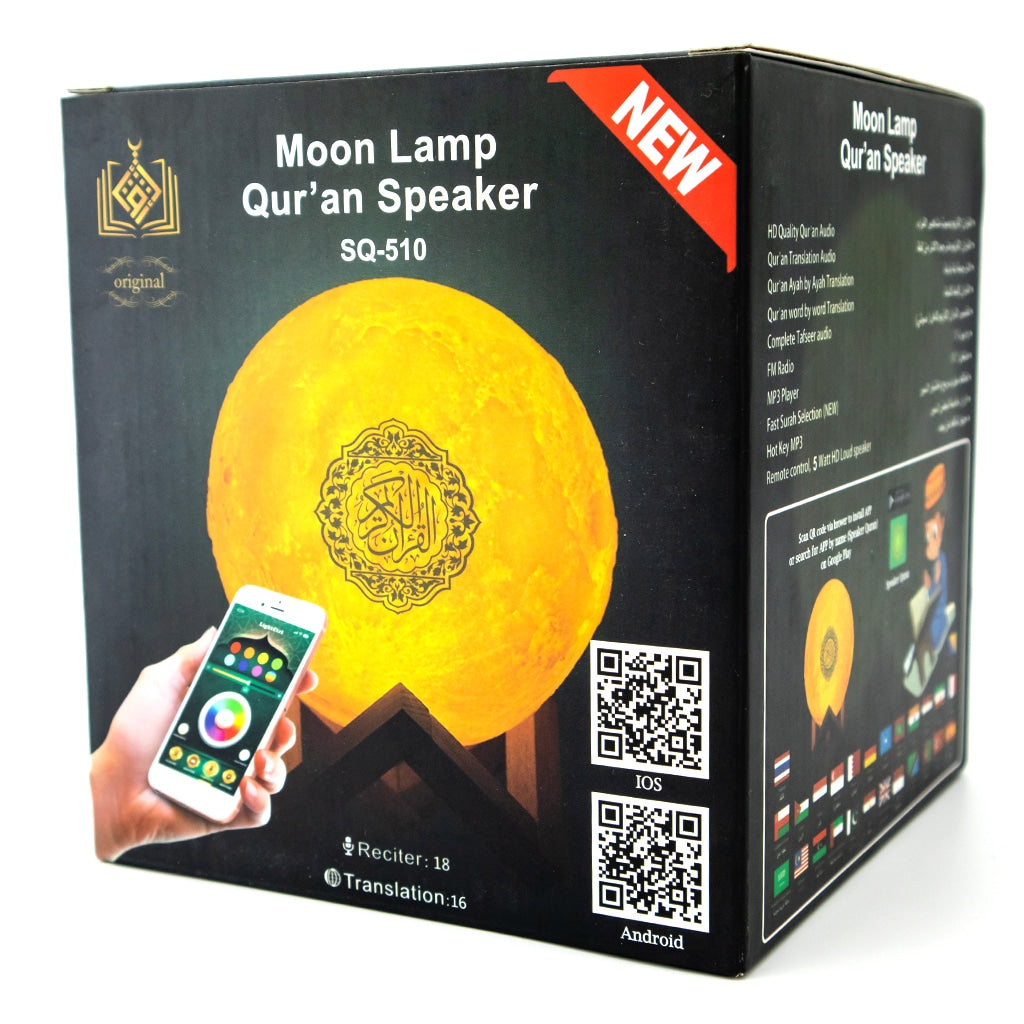
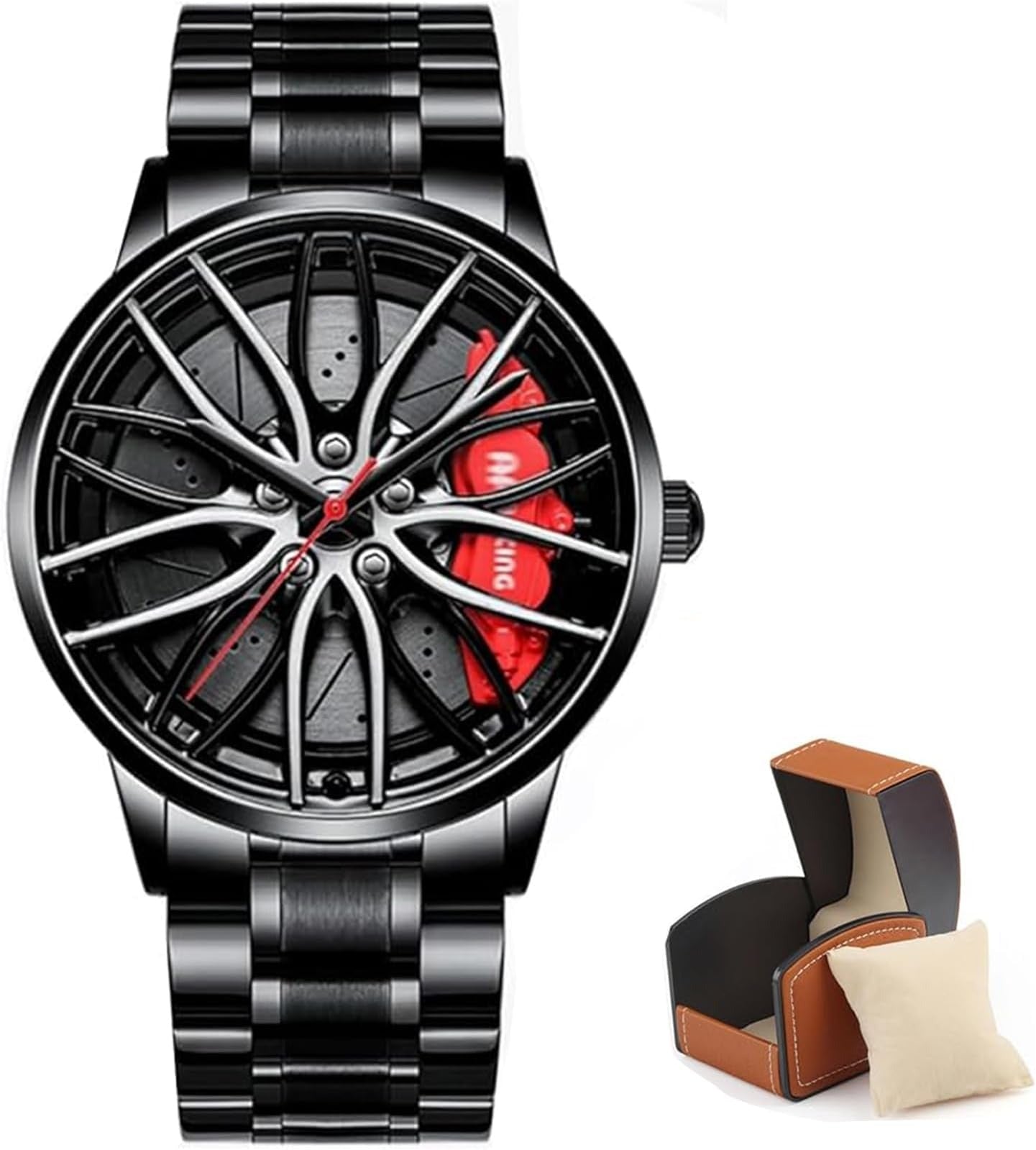
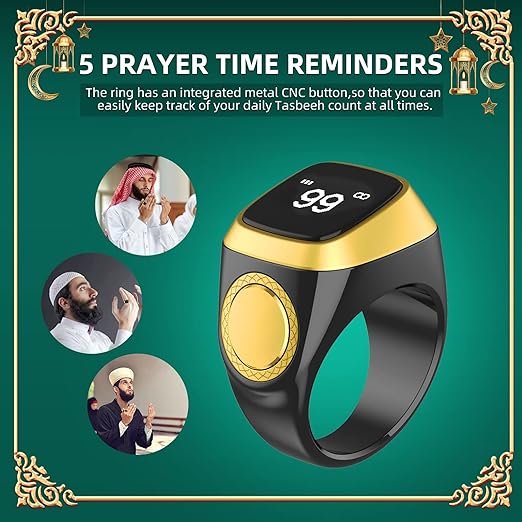
The Moon Lamp Quran Speaker suits the same occasions. The Equantu Qibla Ring Tasbih Counter is a wearable alternative for daily use, and the 3D Car Wheel Rotating Wrist Watch covers the men’s side of the range.
Frequently asked questions about the allah calligraphy necklace
Which finish lasts longest?
A solid, uncoated steel or silver finish lasts longest because the colour is the metal. Gold and black finishes on affordable pieces are usually coatings, and coatings wear at the edges over time regardless of care.
Does the script style really matter?
For legibility, yes. On an allah calligraphy necklace, rounded and open scripts stay readable at small sizes; dense ornamental hands do not. If you want the word clearly visible, favour a simpler style or a slightly larger pendant.
Can I shower with it on?
It is better not to. Soap residue dulls finishes, water accelerates tarnish on silver, and repeated wetting shortens the life of any coating. Taking an allah calligraphy necklace off takes a moment and saves a great deal.
Is “hypoallergenic” a guarantee?
No. It is a descriptive claim rather than a certified standard, and individual sensitivities vary. If you have reacted to jewellery before, introduce a new piece gradually and stop if irritation appears.
What chain should I pair it with?
Match the gauge to the pendant. A box or cable chain is strong and repairable; very fine chains snap and snake chains kink permanently. If the piece is light, a modest chain is both safer and better proportioned.
Is it suitable for children?
Necklaces on young children carry a genuine snagging and choking risk, so most parents wait. If you want to mark an occasion for a child, a keepsake kept safely until they are older is the more sensible option.
Look at the script first, be realistic about what a coating will do over a year, and keep perfume off the metal. Get those right and an allah calligraphy necklace stays comfortable and legible for a very long time. You can see this piece on its product page, or browse the wider collection in the Islamic Jewelry & Accessories section.

Add comment