An aquatic fragrance is the easiest style of perfume to wear and the hardest to describe. It does not smell of the sea in any literal way; it smells of freshness, air and water, which is why it works in heat where heavier scents become overwhelming. This guide explains what makes a fragrance aquatic, how concentration affects longevity, how to apply and store perfume properly, when this style works and when it does not, and how it compares with woody and amber families. It also covers one bottle listed by WLD Store for shoppers in Saudi Arabia.
What “aquatic” actually means in perfumery
Perfumers group scents into families, and the aquatic family sits alongside citrus, floral, woody and amber. An aquatic fragrance is built around notes that suggest sea air, rain, cucumber skin and wet stone rather than around a single flower or wood.
The style became widely popular from the late 1980s onwards, when aroma chemicals capable of suggesting marine air entered mainstream perfumery. The best known of these is calone, which gives that unmistakable clean, slightly melon-like freshness found across the category.
Most compositions pair those marine notes with citrus at the top, something light and herbal or floral in the middle, and a clean musk or light wood at the base. That structure is why an aquatic fragrance usually opens bright and settles into something soft and skin-close.
It is worth being clear that “fresh” is not a measurable property. Fragrance is subjective, and the same bottle smells different on different people because skin chemistry, temperature and even diet affect how notes develop. Anyone claiming a universal reaction to a scent is overstating things.
What makes a good aquatic fragrance
The aquatic fragrance category has a reputation for sameness, largely because so many releases follow the same template. A few things separate a bottle you will finish from one you will abandon.
The note structure
Read the notes, then ignore the poetry. What matters is the balance: too much citrus and an aquatic fragrance evaporates within the hour; too much musk and it loses the airiness that made you like it. A good one keeps the freshness while still leaving something on the skin after a few hours.
Concentration
Concentration describes how much perfume oil is in the alcohol base. Eau de toilette is lighter and more transparent; eau de parfum is richer and generally lasts longer. Neither is better in the abstract, and for an aquatic fragrance in a hot climate a lighter concentration is often the smarter choice.
Projection versus intimacy
Projection is how far a scent travels; longevity is how long it stays. Aquatic compositions typically project strongly for the first hour then settle close to the skin. If you want something noticeable across a room all day, this family is not usually where you will find it.
Versatility
The strongest argument for this style is that it fits almost everywhere: work, daytime, travel, exercise, warm evenings. A versatile aquatic fragrance is the one you reach for without thinking, which in practice makes it better value than a bottle reserved for special occasions.
Bottle and atomiser
A fine, even mist distributes fragrance better than a coarse spray that lands as droplets. Check that the cap seals properly too, because a poor seal lets alcohol evaporate and the scent will change over months.
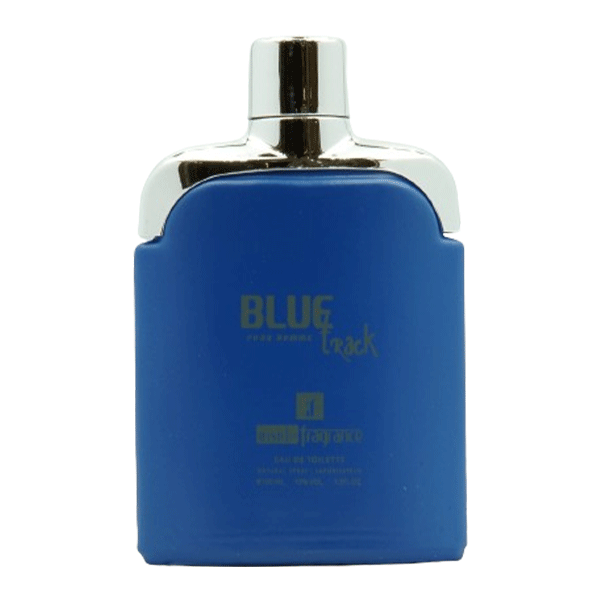
The WLD Store pick: Blue Track Homme Perfume 100ml
WLD Store lists Blue Track Homme Perfume in a 100ml size for customers in Saudi Arabia. These are the details from the listing, with nothing added:
- Product: Blue Track Homme Perfume 100ml
- Category: Beauty & Personal Care — Fragrances
- Brand: WLD
- SKU: WLD-KSA-0008-(KD-325)
- Size: 100ml
- Described style: the listing describes it as a vibrant aquatic fragrance with crisp marine notes
- Described wear: the listing describes it as light, long-lasting and versatile for daily wear
- Market: available across Saudi Arabia through secure checkout
Details and images are on the product page: Blue Track Homme Perfume 100ml at WLD Store. Descriptions like “long-lasting” and “confident, clean impression” are the manufacturer’s wording. Longevity in particular varies enormously between people, so treat any such claim as a starting point rather than a specification.
How to apply an aquatic fragrance properly
- Apply to clean, moisturised skin. Fragrance clings to hydrated skin and evaporates faster from dry skin.
- Spray from about fifteen centimetres. Closer than that lands droplets rather than a mist.
- Target pulse points. Neck, chest and inner wrists are warm and help the scent develop.
- Do not rub your wrists together. The friction and heat distort the opening notes.
- Two or three sprays is usually enough. An aquatic fragrance is meant to be discovered, not announced.
- Let it settle before dressing. A minute is enough to avoid marking light or delicate fabric.
- Reapply lightly rather than heavily. One extra spray in the afternoon beats over-applying in the morning.
Nose blindness is real: you stop noticing your own scent long before other people do. If you cannot smell it after two hours, that usually means your nose has adapted rather than that the fragrance has gone.
Making it last longer on skin
Moisturise before any aquatic fragrance goes on. An unscented lotion on the areas you spray gives the fragrance something to hold onto, and it is the single most effective trick for extending any perfume, not only an aquatic fragrance.
Spray onto skin rather than only onto clothing. Skin warmth is what makes a fragrance develop through its stages; fabric holds the scent but flattens it, and some materials stain.
Consider a light spray on the back of the neck or on clothing under a collar. Those spots are protected from sun and wind, and the scent tends to survive a hot day better there than on exposed wrists.
Accept the limits. Fresh, airy compositions are naturally more volatile than heavy resinous ones — that lightness is the reason you chose an aquatic fragrance in the first place, so a mid-afternoon top-up is normal.
When this style works, and when it does not
Heat is where aquatic compositions shine. High temperatures amplify everything, and a scent that is already sweet and heavy can become overpowering in a warm room, while a fresh one stays comfortable.
Offices and shared spaces suit this family for the same reason. Something light and clean is far less likely to bother a colleague than a rich amber, and in close quarters restraint is simply good manners.
Evening events are where an aquatic fragrance can feel underdressed. If you want presence and depth after dark, a woody or amber composition will usually serve better, and many people keep one of each for that reason.
Layering is a local tradition worth knowing. In much of the Gulf, wearing a light spray alongside bakhoor or an oud-based scent is common, though strong incense will dominate a delicate marine note, so apply the lighter scent afterwards rather than before.
Storing perfume properly
Heat, light and air are the three enemies of an aquatic fragrance. A bottle left on a sunny windowsill will change noticeably within months, and in a hot climate a bathroom shelf is very nearly as bad because of the temperature swings.
Keep bottles in a cupboard or a drawer at stable room temperature, upright, with the cap on. The original box is genuinely useful here rather than just packaging.
Do not decant into unsealed containers for travel. Air in the bottle accelerates oxidation, and an aquatic fragrance loses its bright top notes first, leaving something flatter and less appealing.
Remember that perfume is alcohol-based and therefore flammable. Keep bottles away from open flames, heaters and hot car interiors, and never spray near a lit candle or an incense burner.
Common problems and quick fixes
- It disappears within an hour. Dry skin is the usual reason. Moisturise first, and spray on skin rather than clothing alone.
- It smells different on you than on the tester card. Entirely normal. Paper shows the composition; skin shows how it interacts with you.
- The scent has turned sharp or sour. Usually heat or light damage. Check where the bottle has been stored, and move it somewhere dark and cool.
- Too strong on application. Reduce to one or two sprays and aim for the chest under a shirt rather than the neck.
Who may want to be cautious
Any aquatic fragrance is still a fragrance, and fragrance is a common cause of contact sensitivity. If you have reactive skin, eczema or a history of reacting to scented products, test a small amount on the inner arm and wait a day before wearing it properly.
Spray onto skin rather than into the air around your face, keep it away from eyes, and never apply to broken or irritated skin. If a rash develops, wash the area with plain soap and water and stop using the product.
Some workplaces, clinics and gatherings ask people to avoid fragrance entirely, and asthma or migraine can be triggered by strong scent. A light aquatic fragrance is more considerate than a heavy one, but in a scent-free environment the polite answer is none at all.
Keep perfume out of reach of children. The alcohol content makes accidental ingestion genuinely dangerous, and a decorative bottle is exactly the sort of thing a child will investigate.
Compared with other fragrance families
Citrus scents share the freshness of an aquatic fragrance but fade faster, since citrus oils are highly volatile. They are perfect for a couple of hours and rarely last a working day.
Woody compositions offer more depth and staying power, and they suit cooler weather and evenings. They can feel heavy at midday in high heat, which is exactly the gap an aquatic fragrance fills.
Amber and oriental styles are the richest of all, with resins and spices that project strongly and last for many hours. In Gulf perfumery these are a tradition in their own right rather than an alternative.
Green and herbal scents sit closest to the aquatic family and are worth exploring if you like freshness but find marine notes too clean. Many people end up with one of each rather than choosing.
Building a small, useful collection
Three bottles cover almost everything: something fresh for daytime and heat, something woody or amber for evenings and cooler weather, and one distinctive scent for occasions. An aquatic fragrance is almost always the first of those three.
Buy the daytime bottle in the largest size you will realistically use, since it is the one that empties. Save smaller sizes for the scents you wear occasionally, because perfume does not improve with age once opened.
Test before committing where you can. Wear a sample for a full day, in your own climate and routine, rather than judging from the first ten minutes on a card in a shop.
Give a new bottle a fortnight before deciding. First impressions are dominated by the opening, and the character that matters is what sits on your skin three hours later.
Reading a fragrance through the day
Perfume is not one smell but a sequence. The opening lasts minutes, the heart carries the middle hours, and the base is what remains at the end of the day. Judging any aquatic fragrance on its first thirty seconds is like judging a book by the cover blurb.
The opening of a marine composition is usually the brightest part: citrus, cool air, sometimes a hint of green. It is designed to catch attention in a shop, which is exactly why it is a poor guide to how a bottle will actually wear.
The heart is where you find out whether an aquatic fragrance suits you. This is the stage you will smell on yourself most often, and where the balance between freshness and warmth becomes clear.
The base decides whether you buy it again. Clean musks, light woods and soft amber are common here, and they are what people around you notice at the end of a long day. If you dislike the base, nothing about the opening will save it.
Heat, humidity and the Gulf climate
High temperatures make every fragrance louder. Warm skin releases aromatic molecules faster, so a scent that felt balanced in an air-conditioned room can feel excessive outdoors, and the usual fix is simply fewer sprays rather than a different bottle.
Humidity works in the opposite direction, holding scent close to the skin and slowing evaporation slightly. In humid coastal cities an aquatic fragrance often reads softer and lasts a little better than it does inland.
Moving between an air-conditioned car, a cooled office and the street is its own challenge. Each change resets how strongly you perceive your own scent, which is why people over-apply in cool rooms and regret it outside.
Sun exposure damages the liquid as well as changing how it wears. Never leave a bottle in a parked car; interior temperatures climb far higher than the outside air, and heat degrades an aquatic fragrance faster than anything else you can do to it.
Buying checklist
Five questions before you order an aquatic fragrance:
- Will I wear this in daytime heat, evenings, or both?
- Is the concentration right for how long I need it to last?
- Have I tested it on skin rather than only on paper?
- Do I already own something similar, or does this fill a real gap?
- Is the bottle size realistic, given that perfume changes once opened?
Other picks at WLD Store
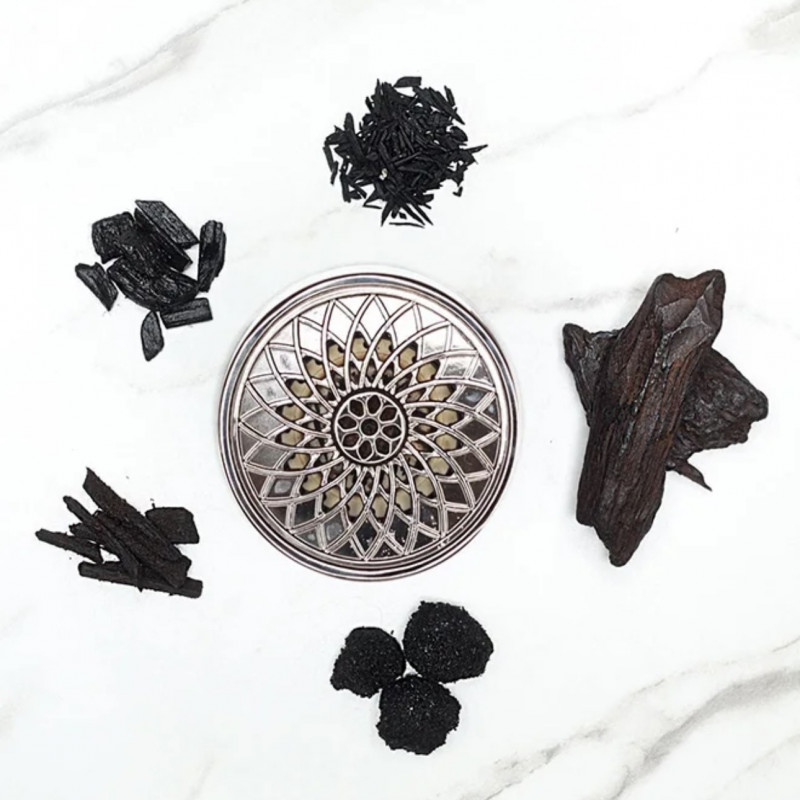
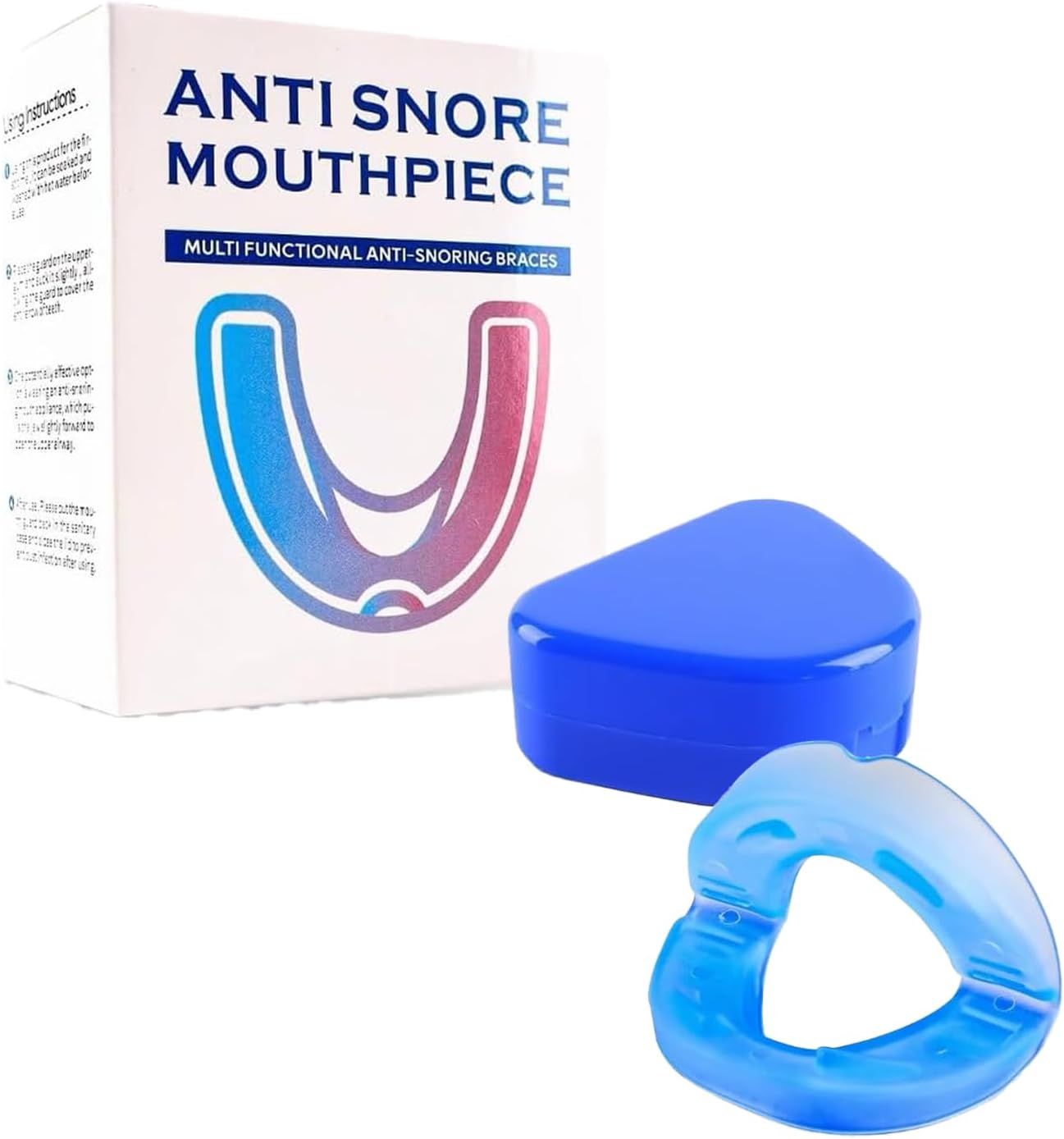
Three more items from the same range:

Frequently asked questions about aquatic fragrance
Why does it fade so quickly on me?
Skin type is the main factor. Dry skin releases fragrance faster than oily skin, and fresh compositions are more volatile than heavy ones. Moisturising first and spraying on skin rather than clothing usually helps noticeably.
Is it only for men?
No. Marine and ozonic notes appear in fragrances marketed to everyone, and the categories on a box describe marketing rather than chemistry. Wear what you like the smell of.
How many sprays should I use?
Two or three for most people. In a hot climate or an enclosed office, fewer is better — an aquatic fragrance is designed to be noticed at conversational distance, not from across a room.
Does perfume expire?
It changes rather than spoiling in a dramatic way. Most bottles are at their best within a few years of opening, and top notes are the first thing to go. Good storage extends that considerably.
Can I layer it with bakhoor or oud?
You can, but the heavier scent will dominate. Apply the strong one first and the lighter one afterwards, use less of both than you would alone, and accept that a delicate marine note may simply disappear.
Should I spray on clothes instead of skin?
Skin gives a better development through the scent’s stages. Clothing holds fragrance longer but flattens it, and oils can mark silk and other delicate fabrics, so test on an inconspicuous area first.
A last word
Freshness is easy to wear and easy to overdo. Choose a composition that keeps a little weight underneath the marine notes, apply less than you think you need, and store the bottle somewhere dark and cool. For a broad, non-commercial overview of how perfume is composed and classified, the Wikipedia article on perfume is a good place to read further.
If this style suits you, Blue Track Homme Perfume 100ml is listed for shoppers across Saudi Arabia, and the wider range is in the Fragrances / Perfumes section. Whichever aquatic fragrance you settle on, test it on your own skin for a full day before deciding it is the one.





Add comment