An insulated car seat cushion exists to solve one specific problem: the damp, sticky back that follows twenty minutes in a hot car. It is a small, cheap accessory, and in a climate like this one it gets used every single day of summer.
This guide explains why car seats get so hot, what an airflow pad can and cannot do, how passive designs differ from powered ones, how to fit and clean one, what to check before buying and six questions drivers in Saudi Arabia ask most often.
Why a car seat gets so hot
Understanding the heat helps set realistic expectations for any cooling accessory.
A parked car is a solar collector. Sunlight passes through the glass, is absorbed by the interior surfaces and re-radiates as heat that the glass traps. Cabin temperatures climb far above the outside air within minutes.
Seats hold that heat longer than anything else in the cabin. Foam is a good insulator and a poor conductor, so the cushion you sit on stays warm long after the air conditioning has cooled the air around it.
Then there is your own body. Sitting still on a soft seat creates a large area of skin pressed against material that cannot breathe, and the heat and moisture your body produces has nowhere to go. That trapped layer is what an insulated car seat cushion is designed to break up.
Materials matter too. Dark leather absorbs more solar energy and reaches higher surface temperatures than light fabric, which is why the same journey feels very different in two different cars.
What an airflow pad actually does
Honesty about what an insulated car seat cushion does helps here, because expectations are where most disappointment with this product category comes from.
A passive insulated car seat cushion does not refrigerate anything. It has no compressor, no coolant and no power source, so it cannot make a surface colder than the air around it.
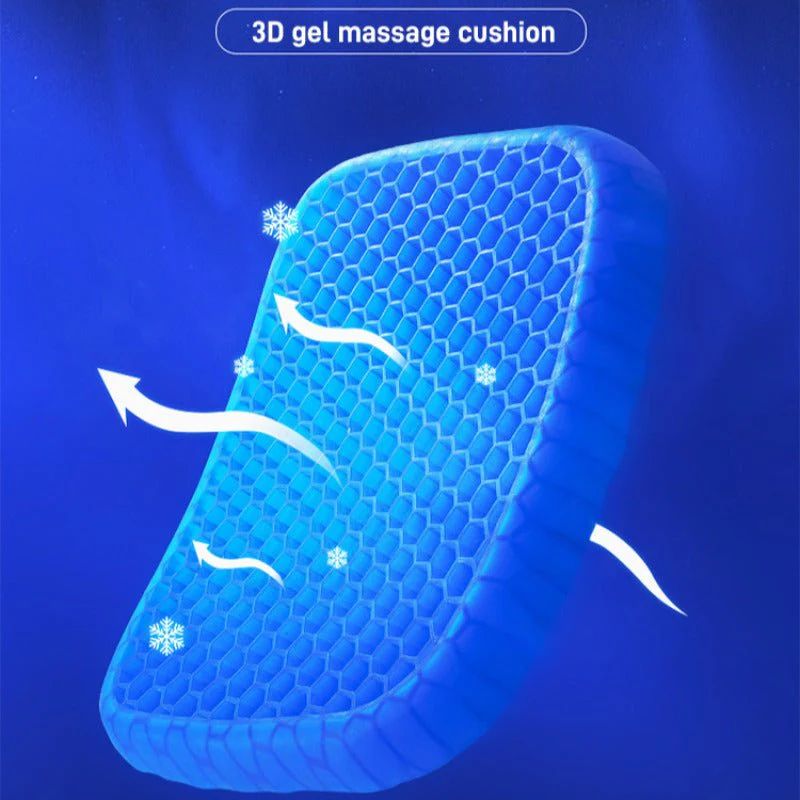
What it does is change the contact between you and the seat. A structured, open pad holds the body slightly away from the upholstery, so air can move through the gap instead of being sealed out by a flat cushion.
That does two useful things. Moisture evaporates instead of building up, and less of your skin is in direct contact with hot material. Both make a real difference to how a long drive feels.
It also insulates in the literal sense. Sitting down on a pad rather than straight onto a leather seat that has been in the sun is a noticeably better first thirty seconds, which is exactly when a hot car feels worst.
The WLD Store listing describes a cooling seat pad that regulates body temperature and prevents sweating during long drives, with a honeycomb silicone design that promotes airflow. Read that as a description of the airflow mechanism above.
Passive versus powered cooling
There are two families of product in this category and they suit different drivers.
A passive insulated car seat cushion uses structure alone: silicone, gel, mesh, beads or a moulded lattice. There is nothing to plug in, nothing to break and nothing to drain the battery. It is silent, cheap and always available.
A powered cushion adds fans, drawing cabin air through channels in the pad. It moves more air, and it needs a 12V socket, a cable across the cabin and a fan that hums in the background.
For most drivers the passive option is the sensible starting point. It costs little, it works with no setup, and it removes the worst of the problem for short and medium journeys.
Powered pads earn their place for people who spend hours in a seat every day: taxi drivers, delivery drivers and long-distance commuters. Even then, an insulated car seat cushion is often used underneath as the comfort layer.
What makes a good insulated car seat cushion
Five things separate an insulated car seat cushion that stays in the car from one that ends up in the boot.
Material
Silicone is used for this kind of pad because it holds a shape, tolerates heat well and does not absorb sweat the way foam or fabric does. It also wipes clean, which matters more than it sounds in a car.
The listing describes a silicone ice pad construction. General background on the material itself is on the silicone reference page.
Structure and airflow
The pattern is the working part. A honeycomb or lattice structure creates continuous open channels, so air can move sideways as well as vertically. A flat pad with a few holes punched in it does far less.
Depth matters too. A pad that compresses completely flat under body weight closes its own channels, and an insulated car seat cushion that collapses is just a mat.
Grip and stability
Anything on a car seat wants to slide. Look for a textured underside, a strap or an anchor that holds the pad in place when you get in and out.
A pad that shifts every time you move is a distraction, and a distraction in a driver’s seat is worth avoiding.
Size and coverage
Some pads cover the seat base only; others extend up the backrest. Base-only pads are simpler and cheaper. Full-length versions address the back, which is where most people feel the heat first.
The listing states this insulated car seat cushion fits all car seats. Check the listed dimensions against your seat, particularly if the seat has pronounced side bolsters.
Cleaning
A cooling pad lives in the sweatiest part of the car. If it cannot be rinsed or wiped down easily, it will not stay pleasant for long. The listing describes it as easy to clean.
The WLD Store pick: Silicone Ice Pad Insulated Car Seat Cushion
Here is what the WLD Store listing states about this insulated car seat cushion, with nothing added.
- Product: Silicone Ice Pad Insulated Car Seat Cushion, listed under Automotive and Car Accessories.
- Brand: WLD.
- Described as: a cooling seat pad that regulates body temperature and prevents sweating during long drives.
- Design: a honeycomb silicone structure that promotes airflow.
- Support: the listing states it provides comfortable lumbar support.
- Fit: stated to fit all car seats and to be easy to clean.
- Market: available across Saudi Arabia, with secure checkout.
- SKU: WLD-KSA-0035-(KD-KD0127).
Dimensions, colour options and current photographs are on the Silicone Ice Pad Car Seat Cushion product page. Compare the listed size with your own seat base before ordering.
Fitting it and living with it
An insulated car seat cushion needs very little setting up, but a few habits make it work far better.
- Position it centrally so the structure sits under the parts of you that carry weight, not off to one side.
- Check it does not cover a seat vent. Cars with ventilated seats blow air up through the cushion, and a solid pad in the wrong place blocks it.
- Keep it clear of belt buckles and seat controls. An insulated car seat cushion should never interfere with a belt latch or a seat adjustment lever.
- Check seat sensors still behave. Some cars detect occupancy through the seat; if a warning light changes, reposition the pad.
- Sit down and adjust your mirrors again. Any pad raises you slightly, and mirror position should reflect that.
- Take it out occasionally. Airing both the pad and the seat underneath keeps everything fresher.
Give it a few days before judging it. Most people find that any seat accessory feels odd at first and normal by the end of the week, and an insulated car seat cushion changes seat height slightly, which takes a moment to get used to.
Beating the parked-car problem
No cushion can fix a cabin that has been baking for four hours, so it is worth pairing it with a few habits that attack the heat itself.
Use a windscreen sunshade every time you park in the open. It is the single most effective thing you can do, because it stops the sun reaching the dashboard and the front seats directly.
Park facing away from the afternoon sun where you have a choice, so the windscreen is not the panel taking the direct load. Shade from a wall or a building for even part of the day makes a measurable difference.
When you return, open the doors or windows for a minute before setting off. Dumping the superheated air is faster than asking the air conditioning to cool it.
Then let the seat catch up. Air conditioning cools air quickly and cools foam slowly, which is exactly the gap an insulated car seat cushion is filling for the first part of the journey.
Comfort and posture
Cooling is the headline, but the way an insulated car seat cushion changes seating position matters for anyone driving long distances.
Any cushion raises you slightly. That is usually welcome for shorter drivers and occasionally unwelcome in a car with limited headroom, so it is worth checking before a long trip rather than during one.
The listing describes lumbar support. Treat that as a comfort feature rather than a clinical one: if you have back problems, take advice from a qualified professional rather than relying on any accessory.
Keep the basics right regardless of what you sit on. Hips back in the seat, backrest supporting the lower back, and a break every couple of hours on a long journey. An insulated car seat cushion helps with heat, not with hours of sitting still.
Cleaning and care
An insulated car seat cushion is a low-maintenance product, which is one of the reasons it suits daily use.
Wipe silicone with a damp cloth and a little mild detergent, then dry it before refitting. Trapped moisture underneath a pad is the one thing that can make a seat smell.
Rinse it properly every few weeks in summer. Sweat and dust build up in the channels of any insulated car seat cushion, and clogged channels stop the airflow that makes it work.
Dry it in shade rather than on a hot surface, and avoid solvents and strong bleach, which can make silicone brittle over time.
Lift it occasionally and check the seat underneath. Upholstery that never sees air can hold moisture, and a quick check every month avoids that entirely.
Common problems and quick fixes
Four issues cover almost everything owners of an insulated car seat cushion report.
- It slides forward when you get in. The underside has lost grip or the seat is leather. Clean both surfaces, and add a thin non-slip mat underneath if the pad has no strap.
- It feels hard on a long drive. A rigid lattice suits some people and not others. Try it over a thin fabric cover, which softens the contact without closing the channels.
- It stops feeling cool after a few weeks. The channels are blocked with dust and sweat. Rinse the insulated car seat cushion thoroughly and let it dry fully.
- The seat smells damp underneath. Moisture is being trapped. Remove the pad overnight, air the seat, and take the pad out regularly rather than leaving it permanently in place.
Buying checklist
Five questions before ordering any insulated car seat cushion.
- Passive or powered? Passive suits most drivers; powered suits people who sit for hours daily.
- Does the size match your seat? Compare listed dimensions with your own seat base.
- Does your car have ventilated seats? If so, make sure the pad does not block the vents.
- Will it stay put? Look for a textured underside or an anchor strap, especially on leather.
- Can you clean it easily? An insulated car seat cushion that cannot be rinsed will not stay pleasant through a summer.
Who it is not for
An insulated car seat cushion is a genuinely useful accessory in a hot climate, but it does not suit every situation.
If your car has factory ventilated seats that work well, a solid pad on top can make things worse rather than better by blocking the airflow you already paid for.
If you drive only short distances in a garaged car, the problem may not be big enough to solve. Heat build-up is mostly a parked-in-the-sun problem.
And if you are looking for genuine refrigeration, no passive insulated car seat cushion will deliver it. Manage expectations: this is about airflow and contact, not about cold air.
How it compares with a beaded seat cover
Wooden bead covers have been used in hot countries for decades, and they solve the same problem in a different way. The comparison is worth making before you choose.
Beads work by rolling contact: only a small part of each bead touches you, so air circulates around the rest. They are cheap, extremely durable and completely unaffected by heat.
The drawbacks are comfort and noise. Beads are hard, they can be uneven under a thin garment, and they slide on smooth upholstery. A silicone lattice gives a flatter, quieter surface with a similar airflow effect.
Beads also do nothing for the moment you sit down on a hot seat, because they sit close to the upholstery. A thicker insulated car seat cushion puts more distance between you and the surface that has been baking.
Neither is wrong. If you want the cheapest possible airflow and do not mind a hard surface, beads work. If you want something quieter and easier to wipe clean, a moulded pad is the better fit.
Using one in a taxi, van or work vehicle
Drivers who sit for a living have different priorities from someone doing a twenty-minute commute, and the choice changes accordingly.
Durability comes first. A pad that is sat on twenty times a day, with a driver sliding in and out each time, needs to be tough and easy to reseat rather than delicate.
Cleaning comes second. A shared or high-mileage vehicle needs something that can be rinsed at the end of a shift and dried quickly, which is where a wipeable surface earns its place.
Grip matters more too. Every entry and exit shifts a loose pad, so a strap or a textured underside stops the daily routine of straightening it.
For very long shifts, consider pairing a passive pad with a windscreen shade and a habit of venting the cabin before setting off. Together those three cost little and change the whole day.
Other Automotive picks at WLD Store
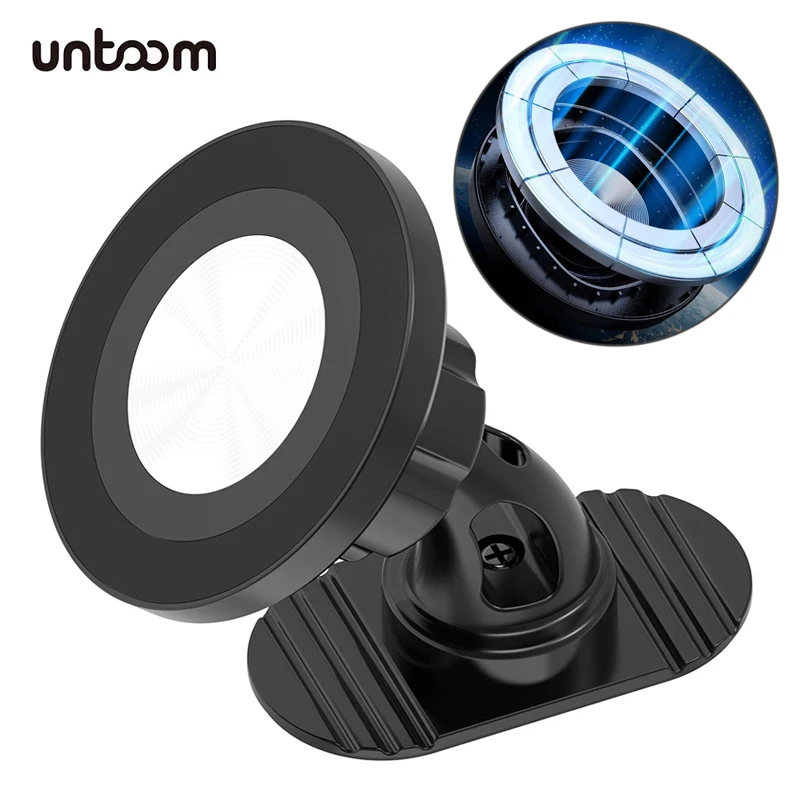
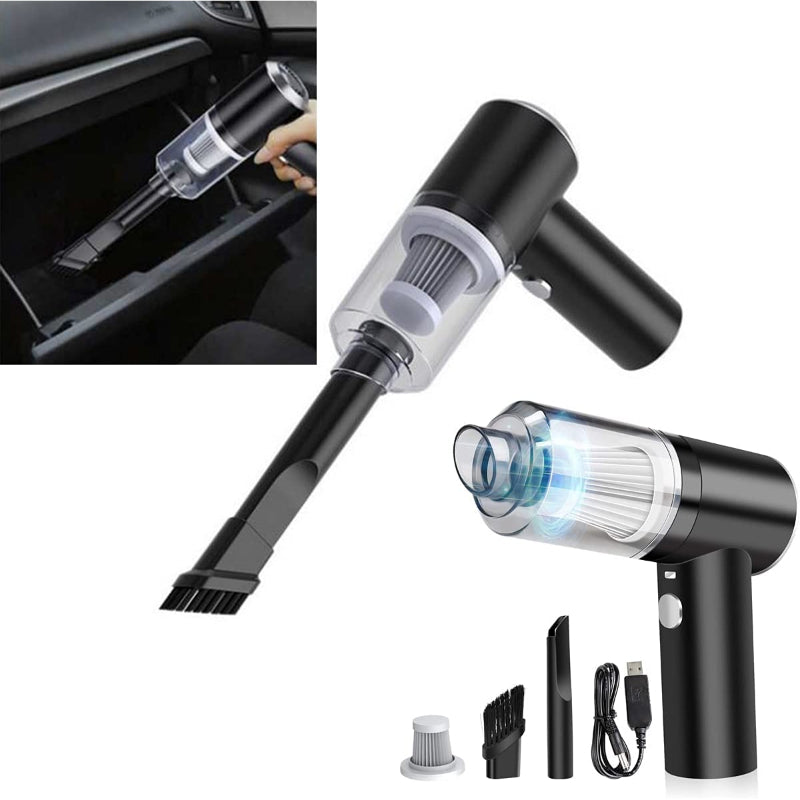
Three more accessories from the same range worth a look.

Frequently asked questions about the insulated car seat cushion
Does it actually feel cold?
Not in the way ice does. A passive pad works by lifting you off the upholstery and letting air move, so the effect is less heat and less sweat rather than a cold surface.
Can I use it in winter as well?
Yes. The same structure that helps in heat also stops you sitting directly on a cold seat, so many owners leave an insulated car seat cushion fitted all year.
Will it fit a bucket or sports seat?
Deeply bolstered seats are the hardest case for an insulated car seat cushion. The listing states it fits all car seats, but a heavily contoured seat may hold the pad away from the base, so check the shape before ordering.
Is it safe with seat airbags?
A pad that sits on the seat base and does not wrap around the side bolster is not in the path of a side airbag. Never fit anything that covers or crosses a bolster where an airbag is fitted, and check your handbook.
How long does one last?
Silicone is durable and does not absorb sweat, so an insulated car seat cushion usually outlasts fabric alternatives. Rinsing the channels regularly is what keeps it performing.
Does it help with back pain?
The listing describes comfortable lumbar support, and many drivers find any well-shaped cushion more comfortable. For genuine back problems, seek proper medical advice rather than relying on an accessory.
Heat in a parked car is not something you can defeat entirely, but you can make the first ten minutes far more bearable: shade the windscreen, dump the hot air, and put something breathable between you and the seat. You can see the current listing on the Silicone Ice Pad Car Seat Cushion page, or browse the wider range in the Car Accessories section.


Add comment