The first thing most parents notice about a diaper bag backpack is that both hands are suddenly free. That single change matters more than any feature list, because carrying a baby, holding a toddler’s hand and opening a car door are things that happen at the same time, every day.
This guide covers what separates a well-built diaper bag backpack from a rebranded rucksack, how to pack one so you can find things without looking, how the contents change as your baby grows, and how to keep the bag clean. There is a checklist at the end, six common questions answered, and the WLD Store pick described exactly as the listing describes it.
Why a diaper bag backpack beats a shoulder bag
Shoulder bags were the default for years, and plenty of parents still use one. The problem is load distribution. A full baby bag is heavy, and hanging that weight from one shoulder pulls your posture sideways for hours at a time. Add a baby on the opposite hip and the imbalance gets worse.
A diaper bag backpack spreads the same weight across both shoulders and, on better designs, across your upper back. You notice the difference on long days: shopping trips, family visits, airport terminals, anywhere you are walking rather than driving between two points.
The second advantage is that a backpack stays put. A shoulder strap slides off constantly when you lean forward to lift a child out of a car seat or a pram. A bag on your back does not, which removes a small, constant irritation from an already busy morning.
There is a practical safety angle too. In a busy car park or a crowded souq, having both hands available for a toddler is worth more than any organiser pocket. That is the real argument for the format, and everything else is refinement.
What makes a good diaper bag backpack
Almost any backpack can hold nappies. What distinguishes a purpose-built diaper bag backpack is how quickly you can reach the one thing you need while holding a baby in the other arm. These are the features that decide that.
Compartments that separate wet from dry
The single most useful design decision is keeping soiled clothes away from clean ones. Look for at least one sealed or separate pocket you can dedicate to used items. Without it, everything in the main compartment eventually smells the same.
Beyond that, dedicated slots for nappies, wipes, bottles and a change of clothes mean you stop rummaging. A diaper bag backpack with a sensible internal layout is faster to use in the dark of a car back seat than a bigger bag with one open cavity.
An exterior that wipes clean
Spills are not a risk, they are a certainty. A water-resistant or waterproof outer fabric means a juice bottle tipping over inside the bag does not soak through onto your clothes, and a wipe-down takes seconds rather than a full wash.
Check the base especially. That is the panel that meets wet café floors and dusty car boots, and reinforced or coated bases last considerably longer than plain fabric.
Straps and back panel
Padding is not a luxury on a bag that regularly carries several kilos. Wide, padded straps stop the weight cutting into your shoulders, and a padded back panel keeps hard objects, bottles especially, from pressing into your spine.
Adjustability matters more than usual here, because a diaper bag backpack is often shared between two adults of different heights. Straps that adjust quickly, without threading through a buckle each time, get used; fiddly ones mean one parent simply carries it badly.
Insulated bottle pockets
Insulated side or internal pockets hold a bottle at a steadier temperature for longer. In a Saudi summer that is genuinely useful, because a bottle left in an uninsulated pocket in a hot car warms up fast.
Side placement is usually better than internal, since you can reach a bottle without opening the main compartment and without setting the bag down.
A changing pad you will actually use
A fold-out pad turns any flat surface into a changing station, which matters because public facilities vary enormously. The pad should be wipeable on one side and stored in its own pocket, so it never touches clean clothes.
How the bag opens
Wide openings beat narrow ones. A diaper bag backpack that unzips broadly lets you see the whole interior at once instead of digging by feel. Front-access panels are useful if you often need one item while the bag is still on your back.
Size and shape
Bigger is not automatically better. An oversized bag encourages you to carry things you never use, and it becomes awkward in a pram basket or under an aeroplane seat. Aim for a bag that fits a full day’s supplies with a little room, not one you can only half fill.
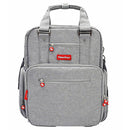
The WLD Store pick: Multifunctional Diaper Bag Backpack
WLD Store lists this bag as an organiser-style baby bag built around the features described above. The points below come straight from the listing, so you can weigh them against the general advice in this guide.
- Product: Multifunctional Diaper Bag Backpack, described as a spacious baby bag
- Category: Baby & Kids, filed under Baby Products
- Brand: WLD
- SKU: WLD-KSA-0059-(KD-KD0198)
- Organisation: the listing states dedicated compartments for diapers, wipes, bottles and clothes
- Exterior: described as waterproof, to protect contents from spills
- Carrying: comfortable padded backpack straps for parents
- Included: insulated bottle pockets and a changing pad, according to the listing
- Market: available across Saudi Arabia with secure checkout
Full photographs, the complete specification and current availability are on the Multifunctional Diaper Bag Backpack product page. Anything not stated there is not stated here either.
How to pack a diaper bag backpack properly
Packing by zone rather than by item is what makes a bag fast to use. The goal is that you can find anything without taking the bag off and without looking inside.
- Front or top pocket: wipes and one nappy. These are needed most often and should never require opening the main section.
- Main compartment, upper half: the rest of the nappies, the changing pad and nappy sacks.
- Main compartment, lower half: a full change of clothes in a sealed pouch, plus a muslin or two.
- Insulated side pockets: bottles or a water flask, one on each side so the bag stays balanced.
- Dedicated wet pocket: left empty on the way out, used for soiled items on the way home.
- Small zipped pocket: your own keys, phone and card, so you are not emptying the bag at a till.
Two habits keep the system working. Restock the diaper bag backpack the same evening you use it, not the next morning when you are already late. And keep a small permanent kit in it, a spare dummy, a sachet of cream, a folded plastic bag, that never comes out.
What to carry at each stage
The contents of a diaper bag backpack change more than parents expect, and carrying a newborn setup for a toddler is the main reason bags feel too heavy.
For a newborn, volume is dominated by nappies and clothes. Expect frequent changes and pack more spare outfits than seems reasonable. Feeding gear takes up the rest of the space, and a muslin is genuinely used every trip.
Between roughly six and twelve months, food enters the picture. Snacks, a bib and a small spoon replace one of the spare outfits, and a favourite toy becomes worth its weight. Nappy numbers start to fall.
With a toddler, the bag lightens considerably. One or two nappies, wipes, a snack, a drink and a change of clothes covers most outings. At this point many parents keep using the same diaper bag backpack simply because the pockets are useful, which is a fair reason.
Whatever the stage, do a monthly clear-out. Bags accumulate: dried-out wipes, outgrown clothes, three half-empty creams. Ten minutes recovers a surprising amount of space.
Pram, car and travel fit
A bag that works beautifully on your back can still be a nuisance everywhere else, so it is worth thinking about the three places it spends most of its time.
On a pram, the question is whether the bag hangs from the handles or sits in the basket. Hanging weight from pram handles affects stability, so many parents prefer the basket. Measure that basket before ordering, because a tall diaper bag backpack that will not sit flat gets left in the car instead.
In the car, the footwell behind the passenger seat is the usual home. A bag that stands upright on its own base is far easier to open there than one that slumps sideways, and it keeps bottles vertical.
For flights, check the bag against your airline’s personal-item allowance rather than assuming it counts as free. A diaper bag backpack that fits under the seat in front of you is worth far more during a flight than one in the overhead locker, where you cannot reach it during taxi or turbulence.
For long car journeys within Saudi Arabia, pack a second small pouch with the next two changes and keep it on the back seat. That way the main diaper bag backpack stays closed in the footwell and you are not unpacking everything at a service station.
Sharing the bag between two parents
A bag that only one parent can use is half a bag. Neutral colours help, but the practical points matter more.
Agree on where things live and do not reorganise unilaterally. The whole benefit of zoned packing disappears if the wipes move each week. Write nothing down; just keep it consistent for a fortnight and it becomes automatic for both of you.
Check the strap adjustment range before buying if there is a large height difference between you. A diaper bag backpack that only sits correctly on one adult will end up being carried by that adult permanently, which was probably not the plan.
Care and cleaning
A baby bag gets dirtier than almost anything else you own. A simple routine keeps it usable for years rather than months.
- Empty it fully once a month. Turn it upside down over a bin, then vacuum the corners with a nozzle attachment.
- Wipe the interior with a damp cloth and mild soap. Let it dry fully open before repacking, or you will trap a smell.
- Spot-clean the exterior rather than machine washing. Machine cycles can damage coated fabrics and crush padding; check the label before you risk it.
- Air the wet pocket after every use. This is the single habit that keeps a diaper bag backpack from developing a permanent odour.
- Keep zips clear. Sand and crumbs in the teeth are what eventually kills a zip; brush them out dry.
- Dry it away from direct sun. Prolonged sunlight fades and weakens most bag fabrics, particularly coated ones.
If you want to understand how the format developed and what parents traditionally carried, the Wikipedia article on the diaper bag gives a short, neutral overview of the category.
Common diaper bag backpack problems and quick fixes
- The bag smells even after emptying. The source is almost always the wet pocket or a seam near it. Wipe, then leave the bag open overnight; an open box of bicarbonate of soda inside speeds it up.
- A zip keeps catching. Usually fabric or grit rather than a broken slider. Clear the teeth with a dry brush and ease the fabric back before forcing the pull.
- Straps slip loose while walking. The adjuster has lost friction. Feeding the webbing back through the buckle in the opposite direction usually restores grip.
- Bottles leak into the main section. Move them to the insulated side pockets and store them upright. If a bottle only leaks when horizontal, the bag is not the problem.
Diaper bag backpack versus a tote
Both formats have a real case, and the honest answer depends on how you travel rather than on which is objectively better.
A tote wins on quick access. You can reach in one-handed while it hangs on a pram handle, and it looks less like baby equipment, which some parents prefer. It is also easier to set down and open flat on a car seat.
A diaper bag backpack wins on comfort under load, hands-free carrying and even weight distribution. On days involving walking, stairs, public transport or an airport, that difference compounds quickly.
If you mostly drive short distances and lift the bag straight from boot to buggy, a tote is fine. If you walk with it, the backpack format is the better tool, and most parents who switch do not switch back.
Who a diaper bag backpack is not for
It is not the right choice if you need constant one-handed access while the bag stays on your body, unless the model has a front or side entry panel. Reaching over your own shoulder is awkward.
It is also unnecessary if your outings are consistently short and local. For a twenty-minute trip, a small pouch with two nappies and wipes is faster than a full diaper bag backpack, and you will resent carrying the larger bag.
Finally, it is not a hospital bag. Those need a different shape and far more capacity, and using one bag for both jobs means unpacking and repacking at the worst possible moment.
Diaper bag backpack buying checklist
- Is there a separate pocket for soiled items? Without one, everything else in the bag is compromised.
- Will the exterior wipe clean? Ask about the outer fabric before anything else on the feature list.
- Do the straps adjust easily for both parents? Try the full range, not just the middle setting.
- Are the bottle pockets insulated and reachable? Side placement is worth more than extra internal space.
- Does it fit where it will live? Check the pram basket, the car footwell and the space under an aeroplane seat.
Other Baby & Kids picks at WLD Store
Once the bag is sorted, the next question is usually what goes in it to keep an older baby or toddler occupied. These three sit in the same Baby & Kids section.
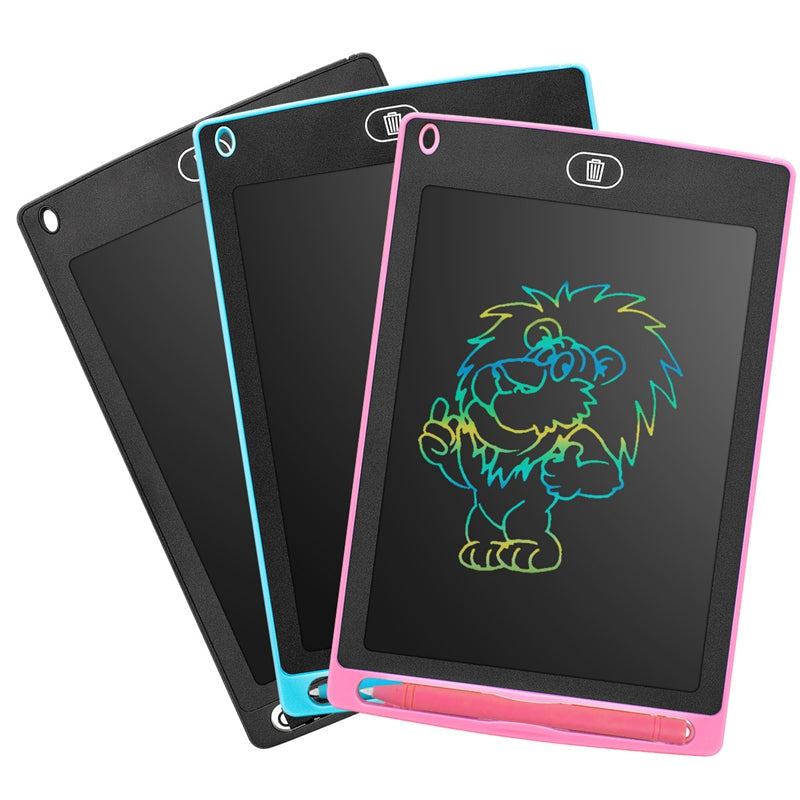
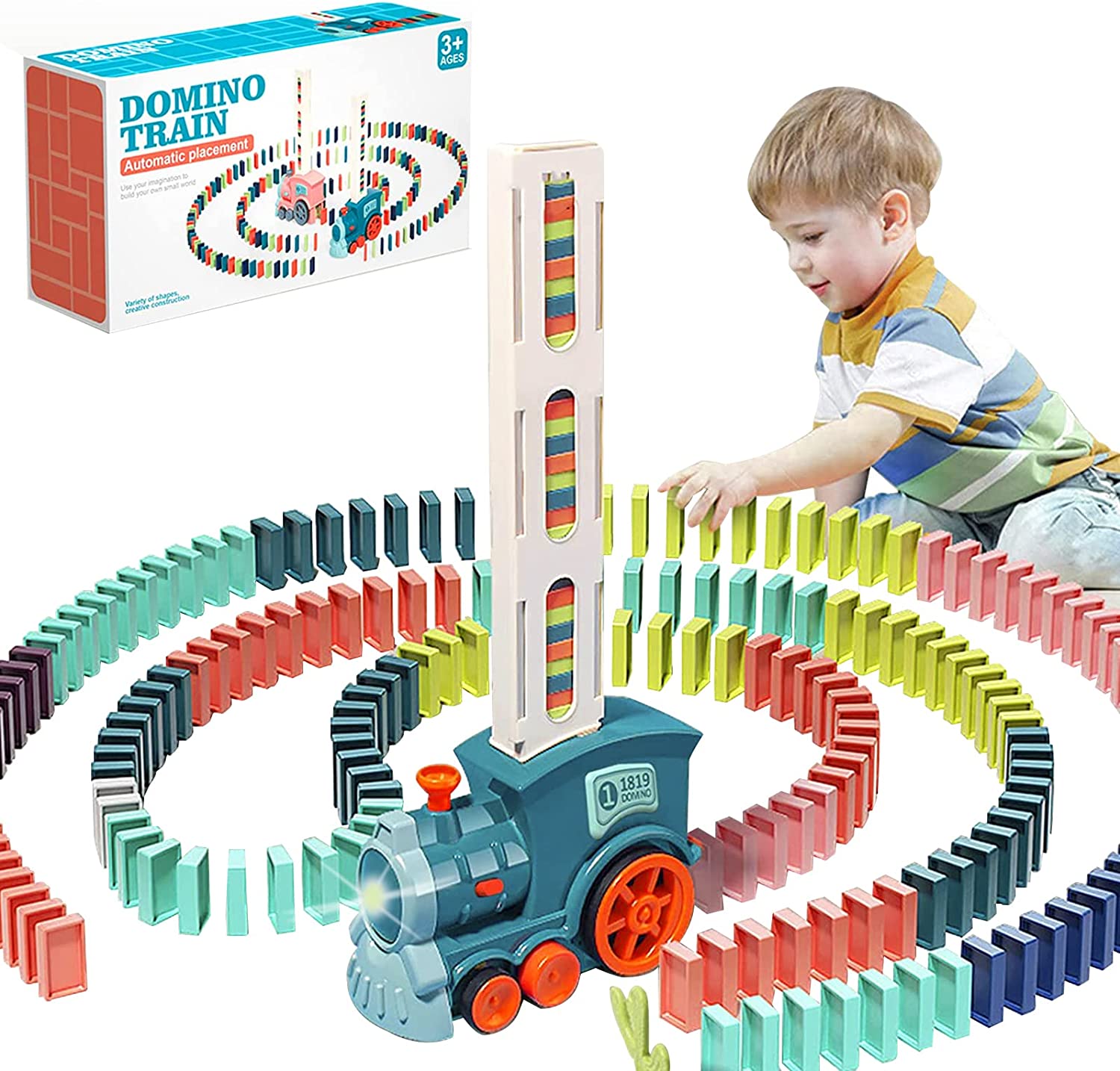
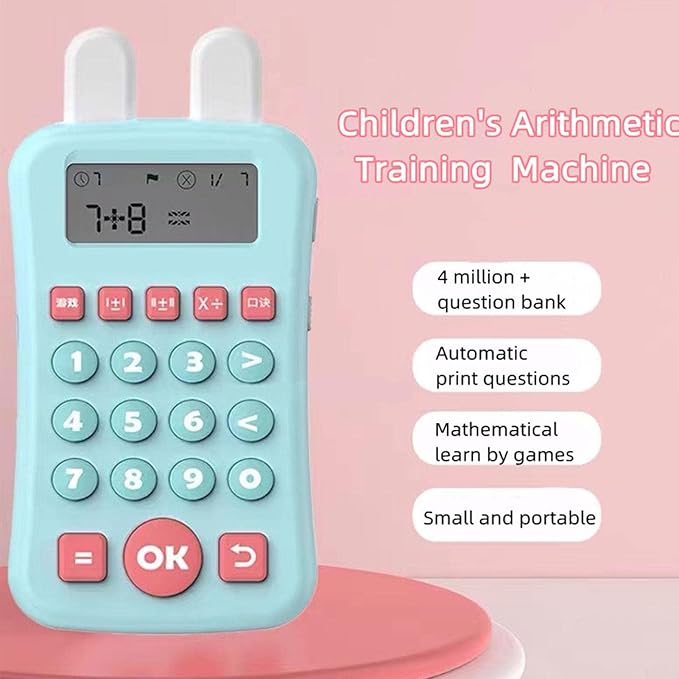
The drawing tablet is the flattest of the three and slides into a bag pocket easily, the domino set is a table activity for home or a restaurant, and the education machine suits early counting practice.
Frequently asked questions about a diaper bag backpack
How big should a diaper bag backpack be?
Large enough for a full day out with a little room spare, and no larger. Oversized bags get overpacked, which makes them heavy and slow to search. If you are consistently returning home with items unused, size down at the next purchase.
Can a diaper bag backpack be used as a normal bag afterwards?
Usually yes, and many parents do. Once the nappy stage passes, the compartment layout works well for a gym kit, a laptop and lunch, or day trips. Neutral colours make that transition easier.
Does the changing pad need washing separately?
Wipe the surface after each use with a damp cloth. Most pads are designed for wiping rather than machine washing, and putting one through a hot cycle can delaminate the waterproof layer. Check the care label first.
Is a waterproof exterior really necessary?
It is the feature parents are most grateful for. Bottles leak, cups tip and cartons burst, and a coated exterior means a spill stays on the surface. It also lets you set the bag down on a wet or dusty floor without worry.
How do I stop the bag smelling?
Keep soiled items in a sealed pouch inside the dedicated wet pocket, empty it as soon as you get home, and leave that pocket open to air. A diaper bag backpack that is aired daily rarely develops a lasting smell.
Can two children share one bag?
Yes, with sensible packing. Use different coloured pouches for each child’s clothes and keep shared items, wipes, nappy sacks and the changing pad, in the common pockets. Expect to size up slightly compared with a single-child setup.
A diaper bag backpack is one of the few baby purchases you use every single day, which is why the small details, the wet pocket, the strap padding, the wipeable base, matter more than the headline capacity. Pack it by zone, restock it at night, and it stops being something you think about. You can see the full specification on the Multifunctional Diaper Bag Backpack page, or compare it with other baby essentials in the Baby Products section.

Add comment