An rc racing boat is one of the few remote control toys that genuinely rewards practice. There is no track, no fixed line and no way to stop in mid-air: the water pushes back, the wind moves the hull, and steering a fast boat cleanly around a marker takes real skill.
This guide covers what separates a decent hull from a disappointing one, how the radio link works, the battery routine that keeps a boat running for years, where you can realistically sail in Saudi Arabia, a maintenance list, a troubleshooting section and six questions buyers ask before ordering.
Why an rc racing boat is not just a car on water
People who have owned remote control cars often assume a boat is the same idea with a different body. It is not, and the differences are the reason a first outing can go badly.
A car stops when you release the throttle. An rc racing boat keeps gliding, and it only steers while water is moving past the rudder. Cut the power completely in the middle of a turn and the boat becomes a floating object drifting wherever the breeze takes it.
There is also no walking over to pick it up. If a car flips, you fetch it. If a boat stalls twenty metres out, you either wait for the wind to bring it back or you get wet. That single fact shapes every piece of advice below.
The upside is that an rc racing boat is far more satisfying to drive well. Long sweeping turns, a wake that curls behind the transom and a clean high-speed pass are all things you earn rather than switch on.
What makes a good rc racing boat
Five things decide whether a boat becomes a favourite or spends a year in a cupboard. None of them are visible in a product photograph, so it is worth knowing what to look for.
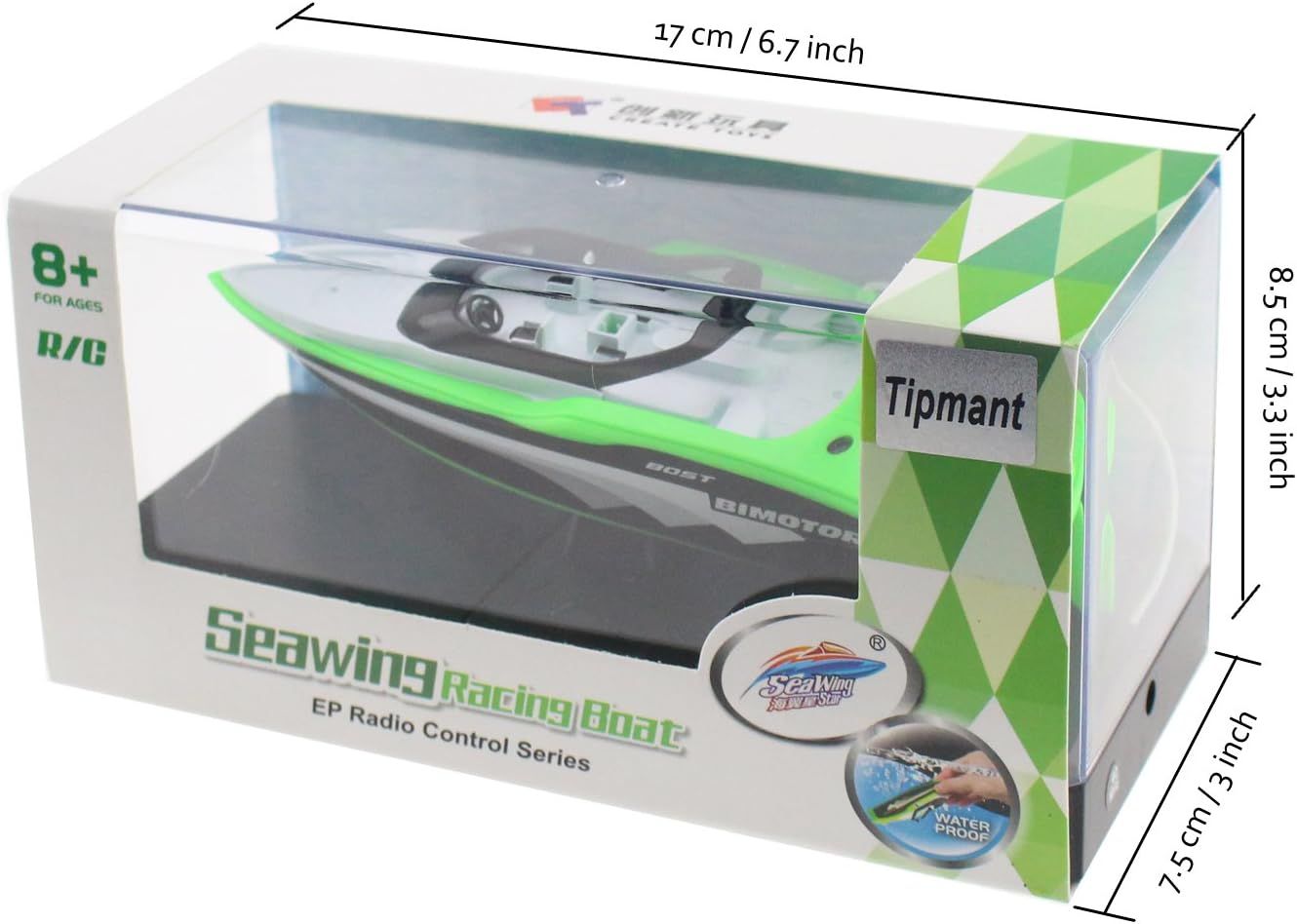
A hull that stays dry inside
Water always tries to get in. Good boats seal the deck hatch with a rubber gasket and route the drive shaft through a sealed tube, so the electronics stay dry even when a wave breaks over the bow.
The WLD Store listing describes a waterproof hull on this model. When any rc racing boat arrives, open the hatch after the first short run and look for droplets inside; that is the fastest way to find a seal that needs attention.
Motors and how the power reaches the water
Small racing boats usually drive one or two propellers through a shaft from a brushed motor. Two motors give more thrust and a useful trick: differential steering, where one side eases off through a turn.
This listing states the boat uses fast dual motors. Twin-motor layouts on an rc racing boat generally track straighter at speed than a single screw, because the torque of one propeller is balanced by the other.
The radio link
Older toys used narrow-band radio that clashed the moment two people ran boats nearby. Modern sets use the 2.4GHz band and hop between channels, which is why several boats can share one lake without interference.
The product listing describes responsive 2.4GHz controls. For any rc racing boat, always switch the transmitter on first and off last, so the receiver is never live without a controller telling it what to do.
Battery and run time
Run time is the honest weakness of this whole category. Small electric boats push a lot of water for their size, so sessions are usually measured in minutes rather than hours, and most owners buy a second battery pack early.
Charging deserves the same respect you would give any other rechargeable device: charge on a hard surface, never unattended, never immediately after a run while the pack is still warm.
Size and where you intend to sail
A compact hull is easier to carry, easier to launch from a pool edge and easier to retrieve. A longer hull handles chop better but needs more open water. Match the rc racing boat to the water you actually have access to, not the water in the marketing photo.
The WLD Store pick: Mini RC Racing Boat
Here is exactly what the WLD Store listing states about this rc racing boat, with nothing added or assumed.
- Product: Mini RC Racing Boat, a remote control speedboat water toy listed under Baby & Kids and Toys.
- Brand: WLD.
- Described as: a high-speed remote control boat designed for pools, lakes and open water.
- Listed features: fast dual motors, a waterproof hull and responsive 2.4GHz controls.
- Suitable for: the listing states children aged six and above, and adult hobbyists.
- Market: available across Saudi Arabia, with secure checkout.
- SKU: WLD-KSA-0039-(KD-KD0110).
Current photographs, colour options and the full specification are on the Mini RC Racing Boat product page. Read the listed contents carefully so you know whether a charger and battery are included before you order anything extra.
Where you can sail in Saudi Arabia
Water access shapes the hobby more than the boat does. Three kinds of water are realistically available, and each has its own rules of thumb.
A private swimming pool is the easiest place to learn. The water is flat, the walls stop the boat escaping, and you can reach anything that stalls. The trade-off is space: a fast rc racing boat crosses a domestic pool in a couple of seconds, so keep the throttle low while you learn the controls.
Ornamental lakes and large ponds give room for proper turns. Check local rules before running anything motorised, keep well away from swimmers and birds, and never sail where you cannot legally or safely walk to the far bank.
Open coastal water is the most demanding option. Salt water is corrosive, waves upset small hulls, and an offshore breeze will carry a stalled rc racing boat away faster than you can follow it. If you do sail on the coast, stay in a sheltered inlet and finish while the battery still has power in reserve.
Time of day matters in a hot climate. Mid-afternoon brings both the strongest heat and, on many days, the strongest breeze, and neither is kind to a small hull or its battery. Early morning water is usually flatter and calmer.
Watch the wind direction before every launch. Running an rc racing boat downwind feels effortless and then leaves you with a long, slow return leg into the breeze on a tiring battery. Launching into the wind is the safer habit.
Your first run, step by step
The first session decides whether the boat survives the month. Work through this order every time and very little goes wrong.
- Charge fully and inspect. Check the propeller for hair or plastic, and confirm the hatch seal is seated all the way round.
- Transmitter on first. Then connect the boat battery and close the hatch firmly.
- Test on land, briefly. A one second pulse of throttle confirms the propeller spins the right way. Never run a propeller in air for more than a moment.
- Launch pointing away from the bank. Set the boat down flat rather than dropping it nose first.
- Drive at half throttle for the first minutes. Learn how far the rc racing boat travels after you release the trigger before you use full power.
- Come back early. Turn for home while the battery still feels strong. A boat that stops halfway out is the most common way people lose one.
- Disconnect the battery before opening the hatch. Then dry the outside before you carry it anywhere.
Steering feels backwards when the boat is coming towards you, because left on the transmitter is now your right. Every owner struggles with this at first. The cure is practising slow figure-of-eight patterns until the correction becomes automatic.
Battery care and charging safety
The battery is the most expensive consumable in the hobby and the one most often ruined in the first month. A few habits keep it healthy.
Let a pack cool to room temperature before charging it. Charging a hot battery straight after a run shortens its life more than anything else an owner does.
Charge on a hard, non-flammable surface, away from paper and fabric, and stay in the room. This is standard practice for every rechargeable device and it costs nothing to follow.
Do not run the pack until the rc racing boat stops dead. Deep discharging damages cells permanently. When the boat noticeably slows, that is the signal to bring it in, not to push for another lap.
If the boat is going into storage for months, store the battery separately at a partial charge rather than fully flat or fully full, and keep it somewhere cool. Heat and full charge together are what age a pack fastest.
Care and maintenance after every run
Ten minutes of care after each session prevents nearly every long-term problem an rc racing boat develops.
Rinse the hull with fresh water if you have been anywhere near salt or chlorinated water, then dry it with a cloth. Salt left on metal fittings corrodes them quickly, and chlorine is unkind to rubber seals.
Open the hatch and leave the boat open to dry indoors overnight. Trapped humidity inside a sealed hull is what quietly corrodes contacts over a season.
Check the propeller and the shaft each time. Weed, hair and plastic film wrap around a shaft and put load on the motor. Clear anything wound around it before the next run.
Every few sessions, add a drop of light oil to the drive shaft tube if the design allows it, and inspect the rudder linkage for play. The technical background to the hobby is well summarised on the radio-controlled boat reference page.
Common problems and quick fixes
Four faults account for most of what goes wrong with a small electric boat, and three of them are solvable at the waterside.
- The boat runs slowly or pulls to one side. Something is wrapped around a propeller or one motor is loaded. Lift it out, clear the shaft and check both propellers turn freely by hand.
- No response from the controller. Switch on in the right order, check the transmitter batteries first, and confirm the receiver plug has not vibrated loose inside the hull.
- Water inside the hull after a run. The hatch gasket is dirty, twisted or not clamped evenly. Clean the groove, seat the seal properly and check the shaft tube for a missing grease seal.
- Run time has collapsed. The pack is aging or has been deep discharged. Test with a second battery before assuming the rc racing boat itself is faulty.
Buying checklist
Five questions worth answering before ordering any rc racing boat.
- Where will it actually be sailed? Pool, lake or coast changes which hull size makes sense.
- Is a battery and charger included? Check the listed contents rather than assuming.
- Can spare propellers be sourced? Propellers are the part most often damaged on a shallow bank.
- Who is going to drive it? A six-year-old needs an adult on the controller for the first sessions.
- Is there a plan for retrieval? Even a reliable rc racing boat stalls occasionally, and open water without a retrieval plan means a lost boat.
Who an rc racing boat is not for
It is a genuinely fun hobby, but it does not suit everyone, and being honest about that saves disappointment.
If the only available water is a shared public pool or the sea on an exposed beach, the boat will spend more time in the box than on the water. Access is the deciding factor.
If the child is younger than the listed age of six, the controls and the retrieval problem are both too much. A bath-safe wind-up boat is a better fit until they are older.
And if you want something to run for an hour at a time without any preparation, a remote control car is the more suitable purchase. An rc racing boat trades run time for the thrill of driving on water, and that trade is the whole point of the category.
Spares and accessories worth having early
The hobby is cheap to run, but a session ends the moment one small part breaks. Three inexpensive items keep that from happening.
A second battery pack is the first thing most owners buy. It roughly doubles a session with no other change, and it also lets you diagnose a slow rc racing boat by swapping packs rather than guessing.
Spare propellers are next. They are the part that meets gravel, weed and pool walls, and a chipped blade throws the whole drive out of balance. Keeping two spares in the box turns a ruined afternoon into a two minute repair.
The third is unglamorous: a small dry bag or plastic box with a cloth, a screwdriver and a tube of grease. Doing maintenance at the waterside while the hull is still wet is far more effective than remembering to do it three days later.
A simple float or bright hull colour is worth considering too. A dark boat is surprisingly hard to see on open water once it is more than a short distance away.
Sailing safely and considerately
Model boats share water with people, birds and sometimes fishing lines, and the hobby keeps its access by being unobtrusive.
Keep well clear of swimmers at all times. A propeller on even a small rc racing boat turns fast enough to cause a cut, so treat the area around people as a no-go zone rather than a challenge to steer through.
Give waterfowl a wide berth, especially in nesting season. A fast hull is read as a predator, and driving through a group of birds is the fastest way for a park to ban models altogether.
Finally, take everything home: packaging, broken propellers and any dropped hardware. The reputation of the hobby at any given lake usually rests on how the last few owners behaved.
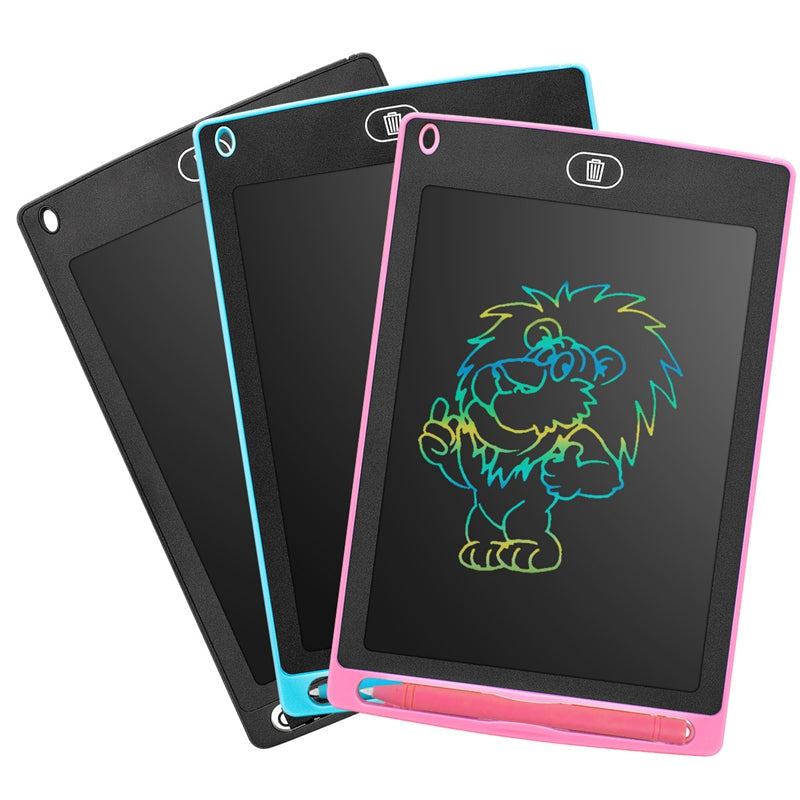
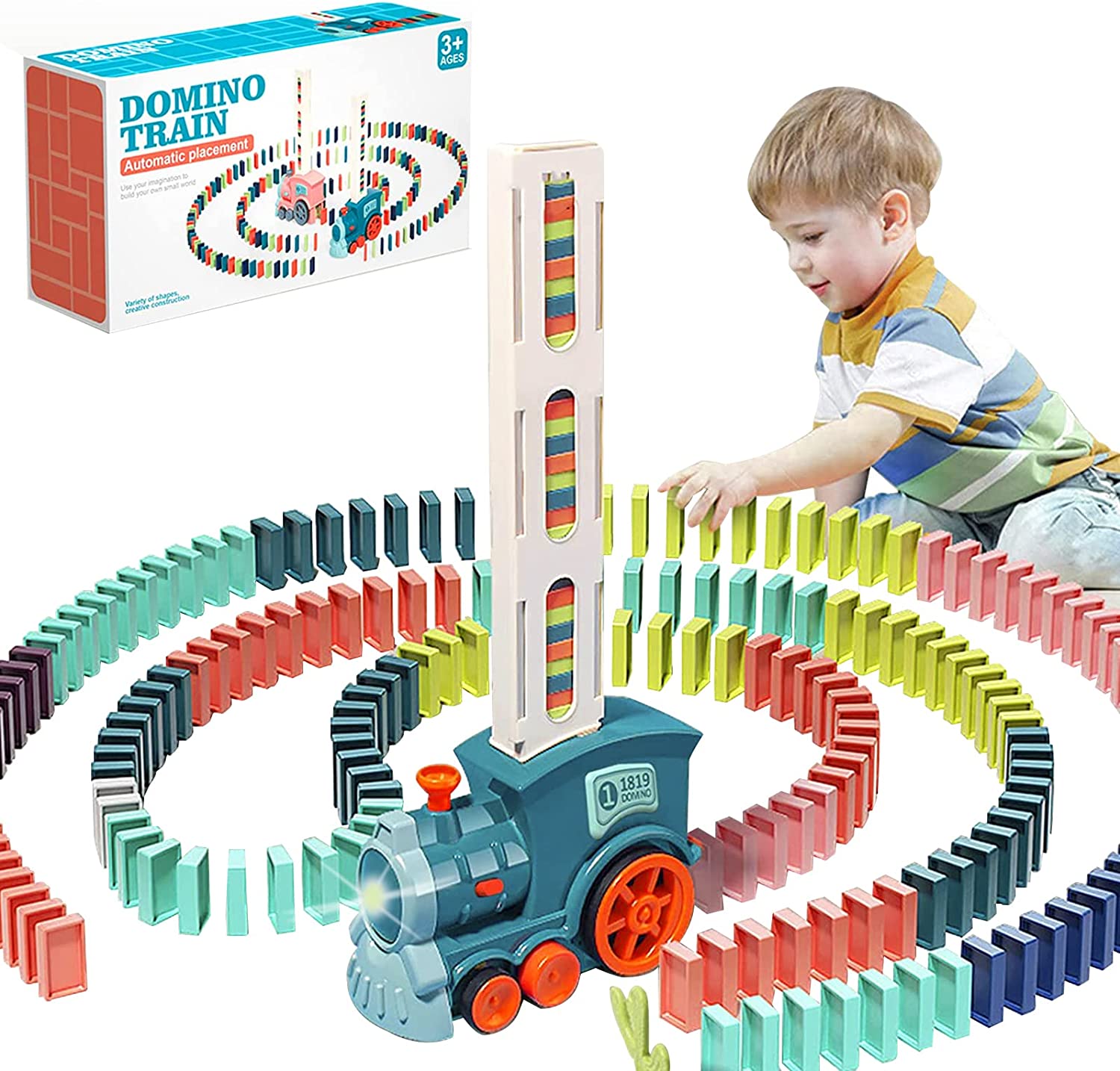
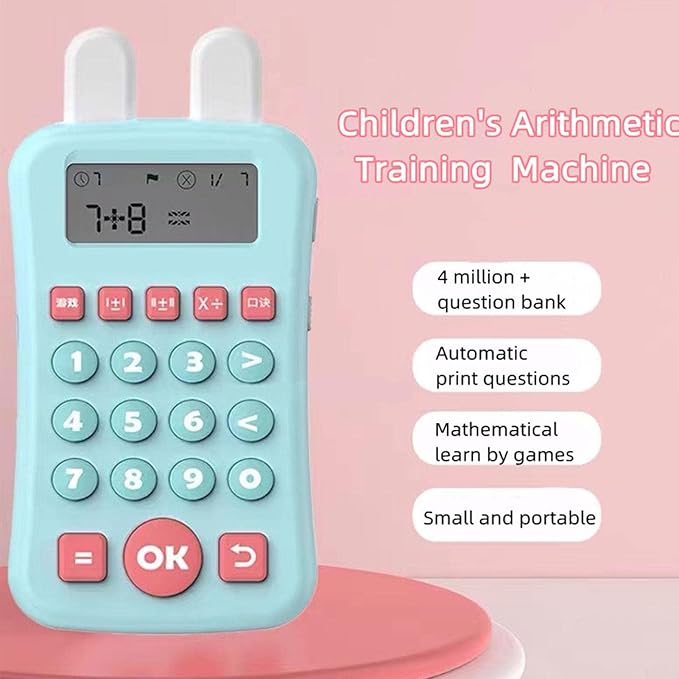
Other Baby & Kids picks at WLD Store
Three more items from the same range that suit the same age group.
Frequently asked questions about the rc racing boat
What age is this suitable for?
The listing states six years and above, and adult hobbyists. In practice an adult should hold the controller for the first few sessions regardless of age, because learning reversed steering while a boat is heading towards a wall is stressful for everyone.
Can it be used in the sea?
The listing says it is designed for pools, lakes and open water. If you do use salt water, rinse the hull and fittings with fresh water afterwards every single time, because salt corrosion is what ends most coastal boats.
How long does a charge last?
Run times vary with battery, throttle use and water conditions, so no single number is meaningful. Plan for a short session, buy a second pack if you want a longer outing, and always turn back while power remains.
What happens if it stalls in the middle of a lake?
Nothing dramatic: it floats. Wait for the breeze to bring it towards a bank, which is why sailing with the wind blowing towards you rather than away from you is a good habit with any rc racing boat.
Do I need a licence to run one?
Small toy-class boats are not licensed, but the water they sail on may have its own rules. Check whether the pool, park or waterfront allows motorised models before your first visit.
Why does the propeller keep collecting weed?
Shallow water near a bank is full of it. Launch and retrieve in the clearest water you can reach, keep the rc racing boat away from the margins at low throttle, and clear the shaft between runs.
Handled sensibly, a small racing boat gives years of use for very little running cost: rinse it, dry it, respect the battery and turn back early. You can see the current listing on the Mini RC Racing Boat page, or browse the rest of the toy range in the Toys section.



Add comment