A t-blade hair trimmer is the tool barbers reach for when a cut needs an edge rather than bulk removal. The blade sits crosswise on the head, wider than the body, with teeth that extend right to each end, so it can cut in a straight line without anything getting in the way.
That shape is the whole point. This guide explains what zero-gap actually means, how to use the tool for lineups, fades and beard work, how to look after the blade so it keeps cutting cleanly, and what to check before buying one for home use.
What a t-blade hair trimmer is for
Ordinary clippers are built to remove hair quickly across a large area. Their blades are rounded at the corners and set back slightly, which is exactly right for taking length off the back and sides and exactly wrong for cutting a crisp line.
A t-blade hair trimmer inverts those priorities. The blade is straight, flat and extends fully across the head, so the cutting edge can be placed precisely where you want a line and drawn along it. Detail work is the job it was designed for.
That makes it a finishing tool rather than a bulk one. Hair clippers and trimmers are usually used in sequence: clippers first to take the length down, then a t-blade hair trimmer to define the hairline, edges and any detail.
Beards follow the same logic. Shaping a cheek line or a neckline needs a straight edge you can see, and the corners of a standard clipper blade make that far harder than it needs to be.
What zero-gap actually means
Zero-gap refers to how close the moving cutting blade sits to the stationary guide blade. Setting them very close leaves almost no gap between the teeth, which is what allows a cut right down at skin level and produces the sharp line people want.
The trade is real and worth knowing. A t-blade hair trimmer set very close cuts harder lines but is less forgiving on skin, so light pressure and a steady hand matter more than they would on a standard trimmer.
Adjustable blade levels exist for exactly this reason. Being able to move the blade in or out lets you take the aggressive setting for a lineup and back it off for general edging or for someone with sensitive skin.
Blade alignment is also a safety feature. A blade set too far forward, past the guide teeth, will catch skin. Any adjustment should be checked in good light before the tool is switched on and used.
What makes a good t-blade hair trimmer
Most differences between one t-blade hair trimmer and another show up in the first few cuts rather than on a specification list.
The blade itself
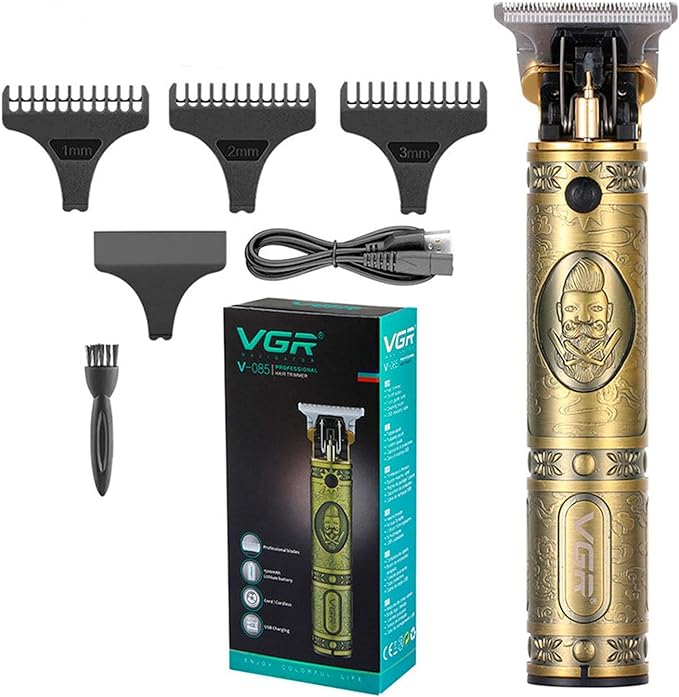
Everything follows from the blade. It should be straight across, with teeth reaching to both ends, and it should be adjustable. A t-blade hair trimmer with a fixed blade removes the main control you have over how close it cuts.
Runtime and charging
Battery life decides whether you can finish a cut without hunting for a cable. Around ninety minutes, as on this model, covers several full haircuts. USB charging matters just as much, because it removes the need to find a proprietary adaptor.
Balance in the hand
Detail work is done with the fingertips, often at awkward angles behind your own head. A body that is slim enough to hold like a pen gives far more control than a bulky one, and the weight should sit toward the hand rather than the blade.
Noise and vibration
This matters more than people expect. Heavy vibration makes a straight line difficult to hold, and a tool you can feel buzzing through your fingers is one you will rush. Smooth running is a genuine feature, not a luxury.
The WLD Store pick: Electric T-Blade Hair Trimmer
This is the t-blade hair trimmer WLD Store stocks for people cutting at home or maintaining a fade between barber visits.
- Product: Electric T-Blade Hair Trimmer, a professional-style men’s haircut tool
- Blade: zero-gap T-blade for ultra-close lines and edges
- Adjustment: adjustable blade levels
- Power: USB rechargeable, with a 90-minute runtime
- Designed for: fades, lineups and beard shaping
- Category: Beauty & Personal Care, Hair Care · Brand: WLD · SKU: WLD-KSA-0111-(KD-026)
- Availability: available across Saudi Arabia through secure checkout
Photographs and the full listing are on the Electric T-Blade Hair Trimmer product page. Follow the instructions supplied with the unit for blade adjustment, since the correct alignment differs slightly between tools.
How to use a t-blade hair trimmer: 9 easy steps
Nothing here is difficult, but the order matters and so does the pressure. These nine steps cover a full cut.
- 1. Start with clean, dry hair. Damp hair clumps and lies flat, which hides the real hairline and makes any line you cut inaccurate once it dries.
- 2. Charge it first. A trimmer losing power mid-lineup is how uneven edges happen. Start every session with a full battery.
- 3. Check the blade alignment. Look along the blade in good light and confirm the cutting teeth sit behind the guide teeth before switching on.
- 4. Do the bulk work first. Take the length down with clippers and guards. A t-blade hair trimmer is for the detail once the shape is already there.
- 5. Find the natural hairline. Cut just inside where the hair actually grows. Chasing a higher line each time is how hairlines end up receding on purpose.
- 6. Use the corner for lines. Turn the tool so one end of the blade leads, and draw it along the line in one steady movement rather than several short ones.
- 7. Let the blade do the work. Light pressure only. Pushing a zero-gap blade into skin is what causes irritation and razor bumps.
- 8. Work against the grain for close edges. On the neckline and around the ears, going against growth gives the cleanest finish, one careful pass at a time.
- 9. Check with two mirrors. The back of your own head is the hardest part. A handheld mirror against a wall mirror is the only reliable way to see it.
Take longer than feels necessary the first few times. Speed comes on its own once the movements are familiar.
Cutting a clean lineup with a t-blade hair trimmer
The lineup is where a t-blade hair trimmer earns its place, and it is also the easiest thing to get wrong. Start by looking at the hairline as it is rather than deciding where you want it to be.
Work from the middle outward on the forehead, then bring each side down to the temple. Keeping both sides symmetrical is easier if you cut a small amount on one side, match it on the other, and repeat, rather than finishing one side completely first.
Corners are the difficult part. A slightly rounded corner reads as natural on most people, while a hard square corner draws attention to any asymmetry. Softer is more forgiving when you are cutting your own hair.
Stop before you think you should. Every pass takes a little more, and there is no way to put hair back. A line that is slightly conservative grows out invisibly; one cut too high takes weeks.
Fades and blending with a t-blade hair trimmer
A fade is created with clippers and guards, but the transitions and the finish are where a t-blade hair trimmer comes in. Its flat blade is what closes out the shortest section at the bottom of the fade.
Blending is about removing hard lines rather than creating them. Use a flicking motion, arcing the tool away from the head as it travels upward, so the cut length changes gradually instead of stopping abruptly.
Work in good, even light. Harsh overhead lighting casts shadows that hide the very lines you are trying to remove, and most bad home fades look fine in the bathroom and obvious outdoors.
Check the shape from a distance too. Stepping back a metre from the mirror shows the overall balance in a way that close inspection never does.
Beard shaping with a t-blade hair trimmer
Beard work uses the same tool differently. Here the trimmer defines two lines that matter most: the cheek line above and the neckline below, and both are easier to get wrong than the beard itself.
For the neckline, the usual guidance is to follow a curve roughly two fingers above the Adam’s apple rather than along the jaw. Taking it up to the jawline makes a beard look shorter and thinner than it is.
The cheek line should follow the natural growth with a gentle curve, cleaning up strays above it rather than carving a hard straight edge. A t-blade hair trimmer makes both lines achievable at home in a few minutes.
Trim the beard to length first with a guard, then define the edges. Doing it in the other order means recutting the lines after every length adjustment.
Touch-ups between barber visits
Most people who buy a t-blade hair trimmer are not replacing their barber. They are buying the two weeks in the middle, when the cut itself is still fine but the hairline has softened and the neck has filled in.
A five-minute touch-up every week or so keeps a cut looking fresh for considerably longer. The neckline is the highest-value part, because it grows fastest and is the first thing anyone standing behind you notices.
Be conservative with the front hairline. A barber re-establishes it every few weeks with a fresh eye; doing it yourself too often, each time slightly higher, is how a hairline creeps backward over months without anyone deciding to move it.
Travel is the other use. A t-blade hair trimmer charges from the same USB cable as a phone, weighs very little, and turns a trip that would once have wrecked a fade into a non-issue. Pack the brush and a small bottle of oil alongside it.
Skin care around close cutting
Cutting at skin level asks something of the skin. Irritation, ingrown hairs and small bumps along a fresh line are common, and almost all of it comes from pressure, blunt blades or a dirty tool.
Clean the blade before and after every session. Hair, skin oil and product residue sit between the teeth, and a t-blade hair trimmer used in that state drags rather than cuts, which is what irritates skin.
Go gently on the neck. This is thinner skin over moving muscle, and it is where most bumps appear. One careful pass is better than three passes chasing perfection.
Finish with something simple and unscented. Heavy alcohol-based aftershaves on freshly cut skin sting for a reason, and a light balm is kinder immediately after a close lineup.
T-blade hair trimmer blade care and oiling
Blades are the part that determines cut quality, and they need more attention than the rest of the tool combined. Brush the cuttings out after every use with the small brush supplied, working along the teeth rather than across them.
Oil the blade regularly. A few drops along the teeth with the trimmer running, then wiped off, is what keeps a t-blade hair trimmer cutting cleanly and stops the blade heating up. Use clipper oil rather than cooking or household oils.
Watch for heat. A blade that becomes hot against the skin usually needs cleaning and oiling rather than replacing, and running a dry blade is what wears the teeth down.
Replace the blade when it stops cutting cleanly. Pulling, snagging and having to go over the same line repeatedly are all signs the edge has gone, and no amount of oil brings it back.
Charging and battery habits
USB charging makes life simpler, but a few habits keep the battery healthy over years rather than months. Charge it fully before first use, and follow whatever the supplied instructions say about the initial charge.
Avoid leaving it plugged in permanently. Keeping a tool on charge continuously is harder on a battery than charging it when needed, and it is an easy habit to fall into with a trimmer that lives on a shelf.
Keep it out of the heat. A t-blade hair trimmer left in a hot car or on a sunny windowsill will lose capacity noticeably faster than one stored in a drawer.
Recharge before it is completely flat where you can. A ninety-minute runtime covers several cuts, so topping up between sessions is easy enough to make a routine.
Common problems and quick fixes
Four issues account for most complaints about a t-blade hair trimmer.
- The blade pulls or snags hair. Almost always a dry or dirty blade. Clean the teeth thoroughly and oil it before assuming the blade is worn out.
- Lines come out uneven. Usually cutting damp hair, or working one side to completion before starting the other. Cut dry, and alternate sides as you go.
- Skin irritation after a lineup. Too much pressure or too many passes over the same spot. Let the t-blade hair trimmer rest on the skin rather than pressing it in.
- Runtime has dropped. Often heat exposure or constant charging rather than a faulty battery. Store it cool and charge it when it needs it.
T-blade hair trimmer, clipper or razor
A clipper is for length. It removes hair quickly across a large area with guards, and it is the wrong tool for a defined edge because of its rounded blade corners.
A razor gives the closest possible finish and the sharpest line, but it cuts at or below skin level, which brings a real risk of nicks and ingrown hairs, particularly on the neck.
A t-blade hair trimmer sits between them and is why most people only need two tools. It gets close enough for a crisp line without a blade touching skin, and it handles both hair and beard detail. Clippers for bulk, T-blade for detail, is a complete home setup.
Buying checklist before you order
Five questions worth answering before any t-blade hair trimmer goes into a basket.
- Is the blade adjustable? Fixed blades remove your only control over how close the cut is.
- How long does it run? Around ninety minutes covers several haircuts without a mid-cut recharge.
- How does it charge? USB means any ordinary cable will do, at home or travelling.
- Is it comfortable to hold? A t-blade hair trimmer is used at awkward angles, so balance matters more than looks.
- Do you already have clippers? This is a detail tool, so pair it with something that removes bulk length.
Other Beauty & Personal Care picks at WLD Store
These three sit nearby in the catalogue and round out a grooming and travel kit.
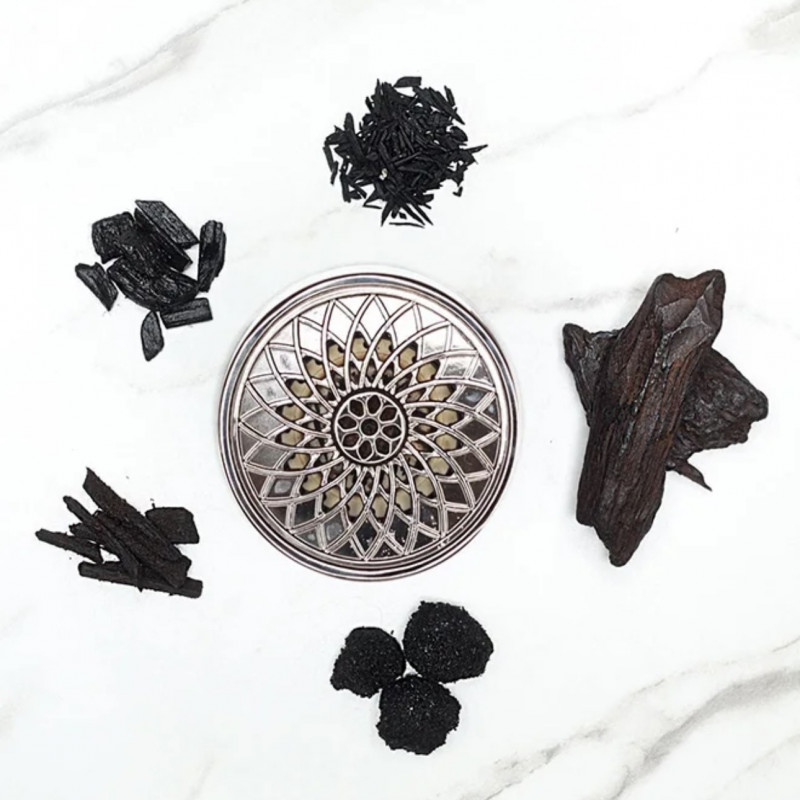
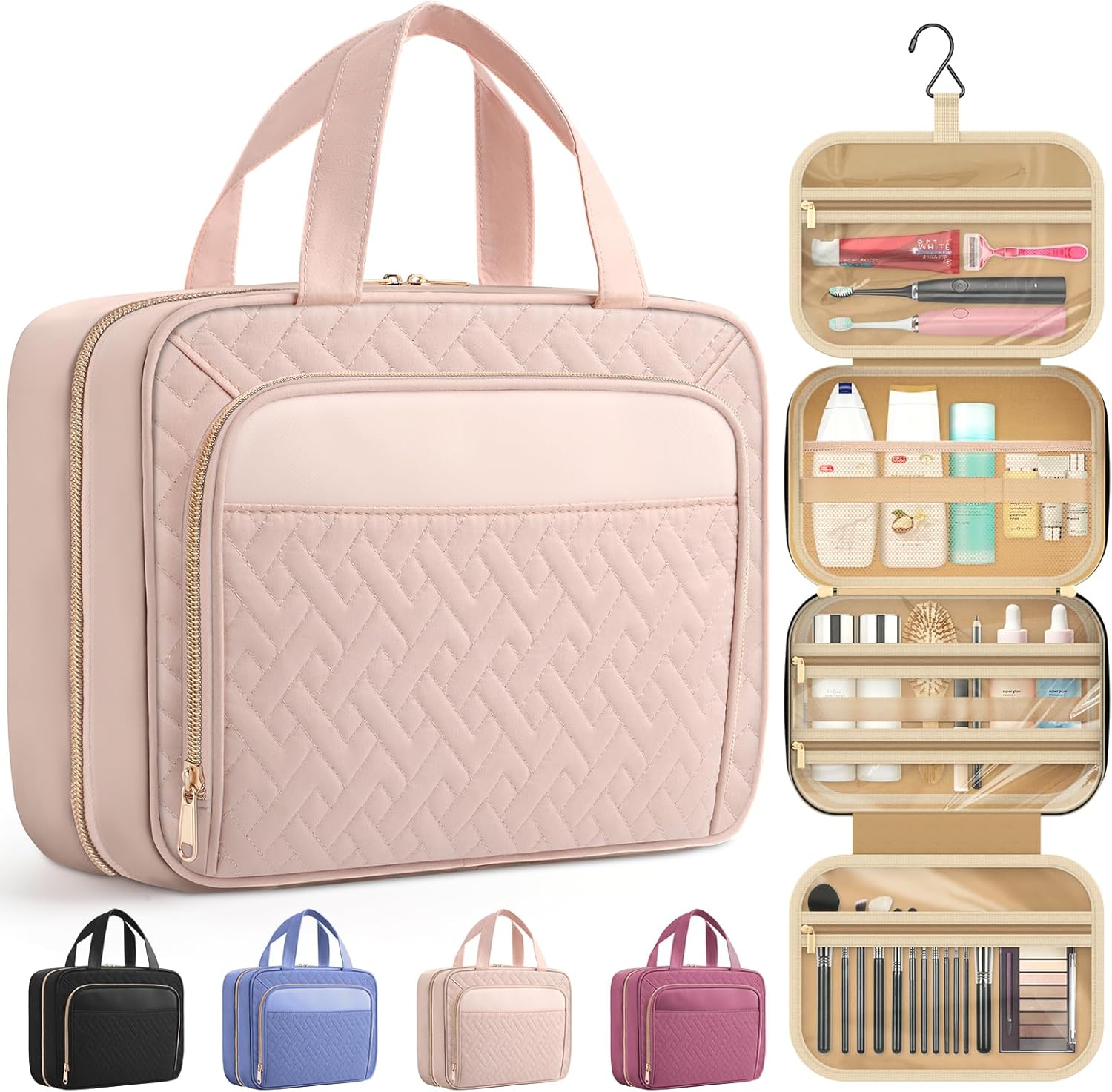
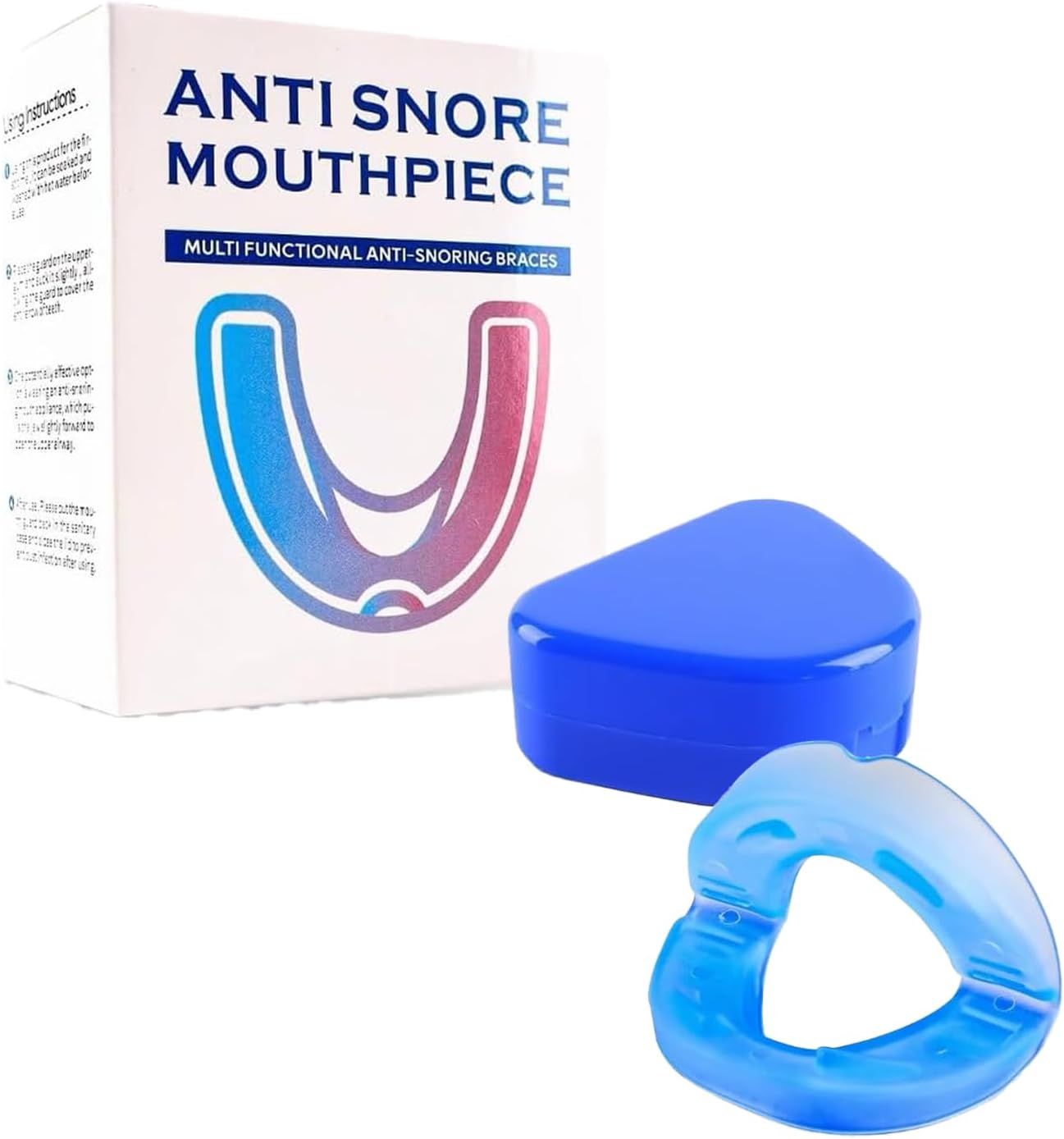
The Large Travel Cosmetic Bag is the practical companion, since a trimmer, its cable, oil and brush travel far better kept together than loose in a suitcase.
Frequently asked questions about the t-blade hair trimmer
Can I use it to cut my whole head of hair?
It can, but it is not the efficient way to do it. Without guards a t-blade hair trimmer cuts very short, so most people use clippers with guards for length and keep this tool for hairlines, edges and detail.
What does zero-gap mean in practice?
It means the cutting blade sits extremely close to the guide blade, so the tool cuts right down at skin level and produces a sharp line. It also means less margin for error, so use light pressure and take your time.
How often should I oil the blade?
A few drops before or after each session is a good habit, and certainly whenever the blade sounds louder or feels warm. Clipper oil only, applied with the tool running, then wiped off.
Is it suitable for beards as well as hair?
Yes, and beard work is one of its main uses. The flat blade is what makes a clean cheek line and neckline achievable, and this model lists beard shaping alongside fades and lineups.
Will it cause razor bumps?
Any close cutting can irritate skin, particularly on the neck. Keeping the blade clean and oiled, using light pressure and avoiding repeated passes over the same spot prevents most of it.
Can I use it while it is charging?
Check the instructions supplied with your unit, since this varies between models. As a general habit it is better to charge a t-blade hair trimmer fully and then use it cordless, which is also easier when working behind your own head.
The reason barbers keep one on the counter is simple: no other tool cuts a straight line as easily. For anyone maintaining their own fade or beard between visits, it is the difference between a haircut that looks finished and one that looks grown out.
Full details are on the Electric T-Blade Hair Trimmer product page, and there is more grooming and personal care in the Hair Care section, available across Saudi Arabia.




Add comment