A samosa maker turns the fiddliest part of frying day into something a child can do. Folding pastry into a neat triangle by hand takes practice, and the first dozen usually leak, burst or come out three different sizes.
This guide covers what a samosa maker does, how to choose one, the pastry and filling techniques that make the difference, how to use the same mould for dumplings, and how to batch and freeze ahead. There is a troubleshooting list for the problems every beginner hits, a care routine, a buying checklist and six practical questions answered.
Why a samosa maker earns its drawer space
Hand-folding is a skill, and like all skills it takes repetition. The classic cone fold requires you to hold pastry, dampen an edge, pack filling, seal without trapping air and set the shape, all in a few seconds before the sheet dries out.
A samosa maker collapses those steps into two: lay the pastry over the mould, add filling, close. The hinge does the folding and the raised rim does the sealing, so shape and seal happen at the same moment rather than one after the other.
Uniformity is the quieter benefit. Identical parcels cook at the same rate, which means one batch comes out of the oil together instead of some being pale while others darken. That alone removes most of the anxiety from frying for guests.
Then there is the social element. A samosa maker makes the job simple enough that several people can work at once around a table, which is exactly how large batches actually get made in a family kitchen rather than by one person folding for an hour.
What makes a good samosa maker
Samosa maker moulds look almost identical online. Four details decide whether one is a pleasure or a frustration.
A genuine non-stick surface
Everything about a samosa maker depends on release. Pastry that clings to the mould tears as you open it, and a torn parcel leaks in the oil. A properly non-stick finish lets the finished shape drop out with a light tap.
This is also the feature that degrades first if the tool is treated roughly, which is why the care section further down matters more than it does for most kitchen gadgets.
Food-grade material and build
The mould touches food directly, so the material specification is not a detail. Food-grade plastic is standard for this category and is what you should expect to see stated on any listing you consider.
Check the hinge as well. It is the only moving part and the one that will fail if the plastic is thin. A hinge that opens and closes with a clean, positive action rather than a floppy one is a good sign of overall build quality.
A sealing rim that actually crimps
The raised edge around the mould is what presses the two layers of pastry together. A well-shaped rim crimps and cuts in one motion, leaving a sealed edge and a tidy offcut.
A shallow or rounded rim only presses. That means you have to seal by hand afterwards, which defeats the point of buying a samosa maker in the first place.
Size and shape versatility
Consider what you actually want a samosa maker to produce. A two-in-one design that shapes both triangular samosas and half-moon dumplings covers far more of a home cook’s repertoire than a single-shape mould.
Size matters too. Smaller parcels cook faster and suit a table of snacks; larger ones make more of a meal. Look at the mould dimensions relative to the pastry sheets you normally buy.
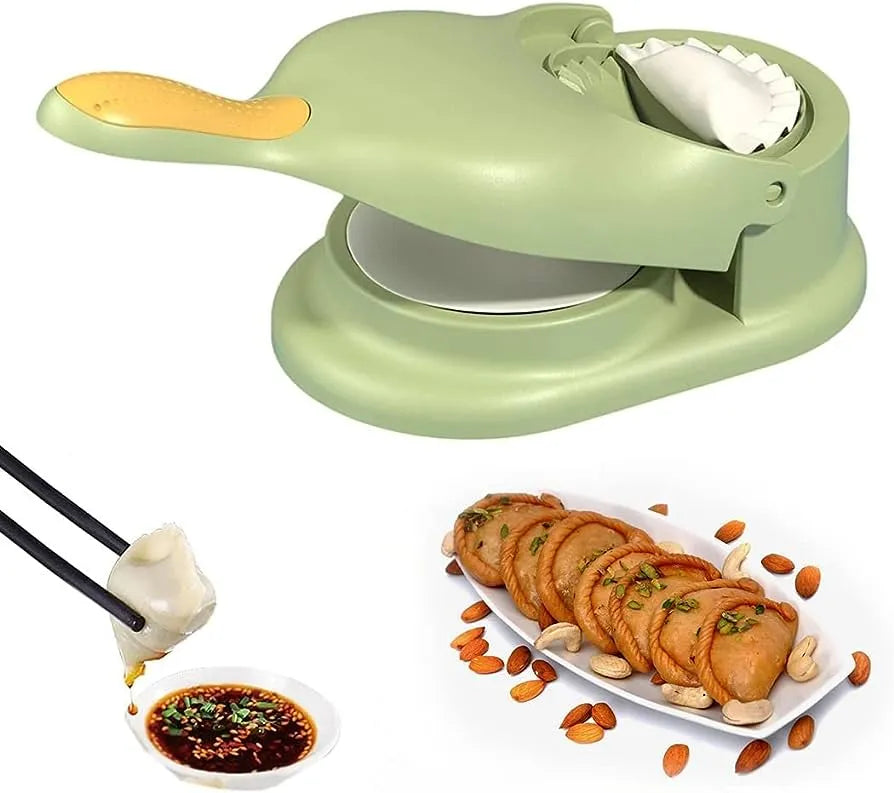
The WLD Store pick: 2 in 1 Multifunctional Samosa & Dumpling Maker
WLD Store lists a two-shape mould built around the priorities above. Here is exactly what the listing states, with nothing added:
- Product: 2 in 1 Multifunctional Samosa & Dumpling Maker, sold under the WLD brand.
- What it does: shapes both samosas and dumplings from one tool.
- Moulds: non-stick, producing uniform shapes each time.
- Material: durable food-grade material.
- Cleaning: dishwasher safe.
- Suited to: everyday home cooking and Ramadan snacks.
- Category: Home & Kitchen, in the Kitchen Tools section.
- Availability: stocked for kitchens across Saudi Arabia, including Riyadh, Jeddah and Dammam.
- SKU: WLD-KSA-0087-(KD-009).
Photographs, current availability and secure checkout are on the 2 in 1 Multifunctional Samosa & Dumpling Maker product page.
How to use a samosa maker step by step
The samosa maker motion is quick once learned, and the order of steps matters more than speed.
- Set up a small station. Mould, pastry under a damp cloth, a bowl of cooled filling, a small dish of water or flour paste, and a tray dusted with flour.
- Open the mould flat. Lay one pastry sheet across the whole open shape, letting it overhang both halves evenly.
- Add filling to the centre. Around one heaped teaspoon for a standard parcel. Underfilling is always better than overfilling on your first batch.
- Wet the border. Run a wet fingertip around the exposed pastry edge. This is the step beginners skip and then wonder why parcels open in the oil.
- Close and press firmly. Bring the halves together and press along the full rim, not just the middle. The rim crimps and trims at the same time.
- Open and release. Lift the mould apart, peel away the offcut and tip the finished parcel onto the floured tray.
Work in rhythm rather than at speed. Most people find their pace after ten parcels, and from there a samosa maker produces a tray far faster than hand-folding ever did.
Getting the pastry right
Pastry causes more samosa maker failures than filling does, and almost all of them come down to moisture.
Keep unused sheets covered. Pastry dries within a couple of minutes of being exposed, and dry pastry cracks along the fold line the instant the mould closes. A slightly damp cloth over the stack solves this completely.
Bring frozen pastry to room temperature before separating the sheets. Pulling them apart while still cold tears them, and a torn sheet cannot be rescued once it is on the mould.
Match sheet size to mould size. A sheet that barely covers the mould leaves nothing to crimp; one that is enormously oversized wastes pastry with every parcel. Trimming a stack to size once at the start is faster than trimming each parcel.
If you make your own dough, roll it thinner than feels comfortable. Home cooks almost always roll too thick, and thick dough in a samosa maker gives a doughy result no amount of frying time fixes.
Fillings that work and fillings that fight you
A samosa maker will shape anything, but the oil is less forgiving. Two rules cover almost every filling.
Cool the filling completely before using it. Warm filling steams inside the pastry, softens the seal from the inside and produces parcels that burst. Filling made the night before and refrigerated is the easiest path to a clean batch.
Keep it dry. Excess moisture is the enemy: drain cooked vegetables well, squeeze out anything watery, and let mince cool in a sieve rather than in its own liquid. A slightly dry filling always beats a wet one in a samosa maker.
Chop small. Large chunks push against the pastry from inside and create weak points along the seal. A fine, even dice gives a parcel that holds its shape.
Season a little more assertively than you would for a plate of food. Pastry mutes flavour, and a filling that tastes right on a spoon often tastes flat once wrapped and fried.
Making dumplings with the same mould
The dumpling side of the samosa maker is the half most people ignore, and it deserves better.
Dumpling wrappers are rounder, thicker and stretchier than samosa pastry, so they tolerate more filling and need less water on the edge. Place the wrapper centrally over the half-moon mould rather than across the whole tool.
Press more gently than you would for pastry. Wrapper dough is elastic and will thin out under heavy pressure, which produces a weak spot that splits during steaming.
Dust finished dumplings with flour and keep them separated on the tray. They stick to each other far more readily than samosas do, and a stuck pair always tears when you pull them apart.
Batch cooking and freezing ahead
This is where a samosa maker pays for itself, particularly before Ramadan or a family gathering.
Shape everything with the samosa maker in one session, then freeze rather than fry. An hour of folding produces enough for several evenings, and frozen parcels fry straight from the freezer without thawing.
Freeze flat first. Spread the parcels in a single layer on a floured tray so they are not touching, freeze until solid, then transfer to a bag. Skipping this step gives you one large frozen block instead of individual parcels.
Label the bag with the filling and the date. Two unlabelled bags of identical-looking parcels is a problem every household discovers exactly once.
Fry from frozen at a slightly lower oil temperature and for a little longer. Frozen parcels dropped into very hot oil brown outside before the centre warms through, which is the most common batch-cooking mistake.
Care and maintenance
A samosa maker is simple to look after, and the routine is mostly about protecting the non-stick surface.
Rinse the samosa maker immediately after use, before dough dries in the crimping rim. Dried pastry in the teeth of the rim is far harder to remove than wet pastry, and picking at it damages the coating.
The listing states the mould is dishwasher safe, so a machine cycle is fine. Place it on the top rack where the heat is gentler and it cannot be knocked around by heavier items.
Never use metal tools, scouring pads or abrasive powders. A soft brush and warm soapy water lifts everything that needs lifting, and anything harsher removes the non-stick property permanently.
Dry it fully before storing, especially around the hinge. Trapped water is what makes hinges stiffen over time.
Store it flat and closed rather than stacked under heavy pans. Pressure across an open mould is the most likely cause of a cracked hinge on any samosa maker.
Common problems and quick fixes
- Parcels burst in the oil. Almost always overfilling or a warm, wet filling. Reduce the quantity to a heaped teaspoon and use fully cooled, well-drained filling.
- The seal opens along the edge. The border was not dampened, or the rim was pressed only in the middle. Wet the whole border and press along its entire length.
- Pastry sticks to the mould. Either the pastry is too wet or the surface needs cleaning. A very light dusting of flour on the mould fixes it immediately.
- Shapes come out uneven. The sheet is not centred over the mould. Line up the pastry before adding filling rather than adjusting afterwards.
Frying technique for samosa maker parcels
Uniform parcels deserve a matching frying method, and getting the oil right is what turns a good shape into a good snack.
Heat the oil to a moderate temperature rather than the highest setting. A parcel from a samosa maker has an even thickness all over, so it browns evenly, but oil that is too hot colours the outside before the filling warms through.
Test with one parcel first. It should sizzle steadily on contact and rise within a few seconds. Violent bubbling means the oil is too hot; a slow, sluggish sink means it is too cool and the pastry will absorb oil instead of sealing.
Fry in small batches. Crowding the pan drops the temperature sharply, and every parcel added after that point cooks in cooler oil than the one before. Four or five at a time is plenty in a domestic pan.
Drain on a rack rather than on paper. Paper traps steam underneath and softens the base, which undoes the crisp edge the samosa maker gave you in the first place.
A samosa maker compared with folding by hand
Both methods produce good food, and the choice comes down to what you value.
Hand-folding wins on flexibility. You can make any size, adjust on the fly, use awkwardly shaped offcuts and produce the traditional cone shape that a flat mould cannot replicate.
A samosa maker wins on consistency, speed for beginners and the ability to hand the job to someone else. Children can operate one safely, and a group working with a mould will out-produce a single expert folder without much effort.
Many households end up using both. The mould handles the big freezer batch, and hand-folding comes out for the occasional small run where shape matters more than volume.
Who does not need one
If you already fold by hand quickly and enjoy it, a samosa maker adds consistency but not much speed. Experienced hands are genuinely fast, and there is no shame in skipping the gadget.
Cooks who make parcels once or twice a year may also find it hard to justify drawer space. This is a tool that rewards regular use rather than occasional use.
Anyone who prefers very large or very unusual shapes will be constrained by a fixed mould. A samosa maker gives you exactly two shapes, reliably, and nothing else.
Buying checklist
- Does it shape more than one thing? A two-in-one mould covers far more recipes than a single shape.
- Is the surface truly non-stick? Release quality is the feature that decides whether you keep using it.
- Does the rim crimp and cut? A sealing rim that also trims saves a separate step on every parcel.
- Is it dishwasher safe? Frying day already creates enough washing up.
- Does the size suit my pastry? Check the mould against the sheets you normally buy before ordering.
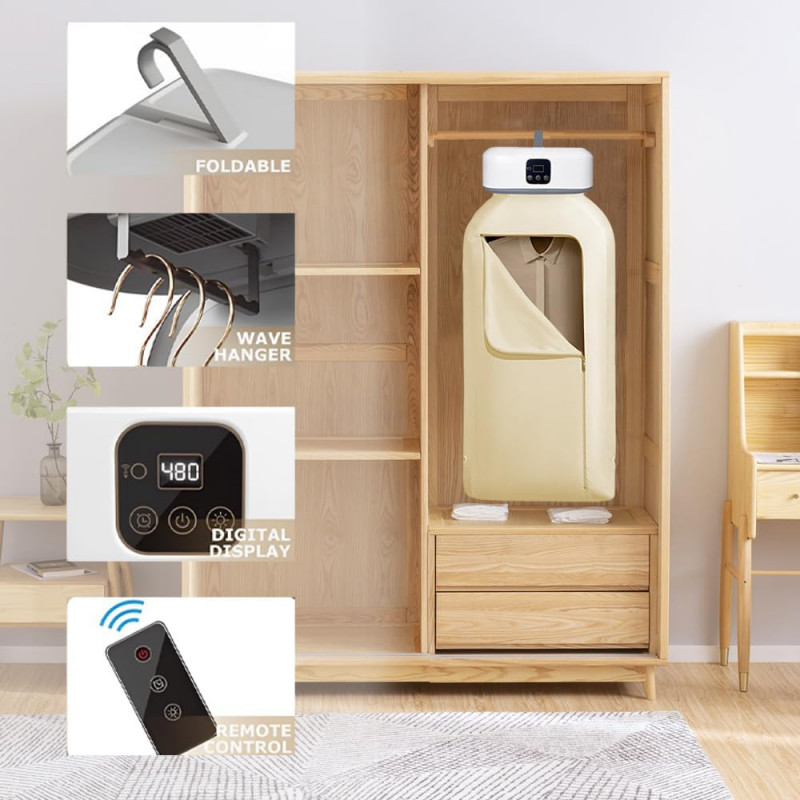
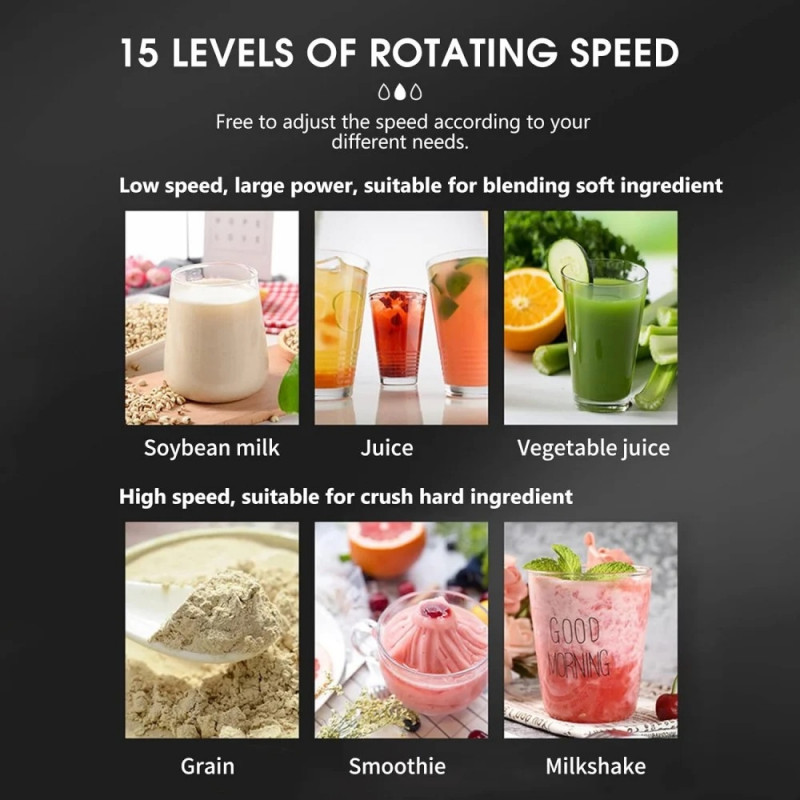
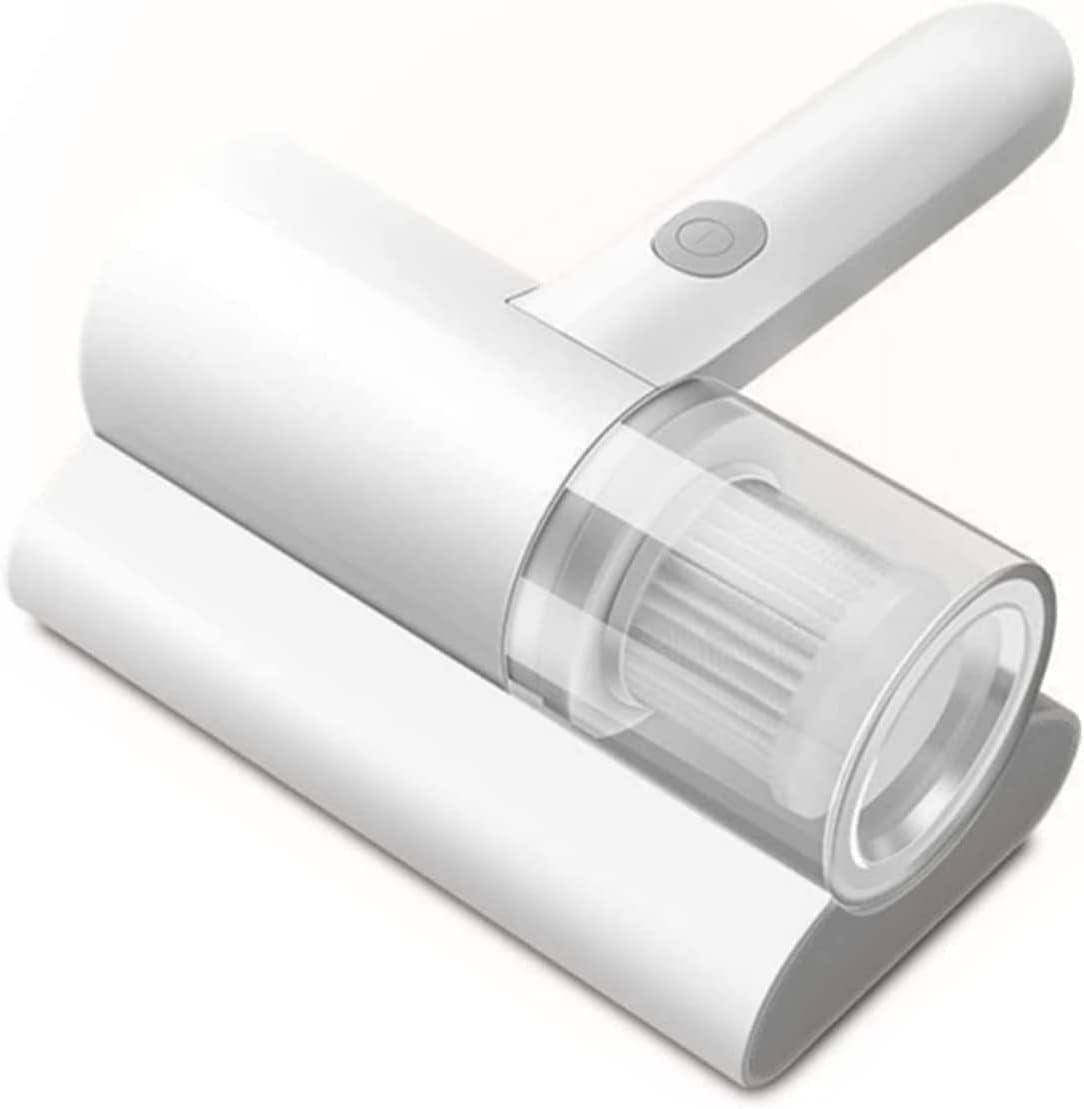
Other home and kitchen picks at WLD Store
These related listings sit in the same Home & Kitchen range if you are browsing more widely.
Frequently asked questions about the samosa maker
What pastry works best in a samosa maker?
Ready-made samosa or spring roll pastry sheets are the easiest starting point because they are already the right thickness. Home-made dough works well too, provided it is rolled thin and kept covered while you work.
Can I bake samosa maker parcels instead of frying them?
Yes. Brush both sides lightly with oil and bake on a lined tray, turning once. Baked parcels are less crisp than fried ones but the mould shapes them identically either way. The wider history of the dish is covered on the samosa reference page.
How much filling should go in each one?
About one heaped teaspoon for a standard-sized mould. It always looks too little in the open mould and turns out to be right once closed. Overfilling is the leading cause of bursting.
Can I freeze parcels made with it?
Yes, and freezing is one of the best reasons to own the tool. Freeze them separated on a floured tray until solid, then bag them. Fry straight from frozen at a slightly lower oil temperature.
Is it safe to put in the dishwasher?
The WLD listing states the mould is dishwasher safe. Use the top rack so the heating element is further away, and avoid packing heavy items against it.
Will it work for dumplings as well?
Yes, that is the point of the two-in-one design. Use round wrappers on the half-moon side, press more gently than you would for pastry, and dust the finished dumplings with flour so they do not stick together.
For anyone who fries in quantity, a samosa maker removes the one step that makes people put the job off, and consistent parcels are their own reward at the table. You can see the current listing on the 2 in 1 Multifunctional Samosa & Dumpling Maker page or browse more kitchen tools in the Kitchen Tools section, with secure checkout and availability across Saudi Arabia.



Add comment