A dust mite vacuum cleaner is the appliance most households discover only after they have washed every sheet in the house and still woken up with a blocked nose. Bedding can be laundered. Mattresses, pillow cores and sofa cushions cannot, and that is exactly where dust settles and stays. This guide explains what builds up inside soft furnishings, what a dedicated bed vacuum does about it, how to choose one that is worth the cupboard space, how to use it so the effort actually pays off, and where a normal vacuum will do the job just as well.
Why dust and mites build up in beds and sofas
Every person sheds skin cells continuously, and a large share of them land where you spend the most stationary hours of your day. Add body moisture, warmth and fabric that traps everything, and a mattress becomes a comfortable environment for the microscopic mites that feed on that debris.
The mites themselves are not the main irritant. It is the fine dust of their waste and fragments, mixed with skin, fibres and ordinary household dust, that becomes airborne when you sit down heavily or turn over in the night. This is why some people feel worse in bed than anywhere else in the house.
Humidity drives the whole cycle. Damp rooms, drying laundry indoors and closed windows all raise moisture levels, and mite populations rise with them. Dry, well-ventilated bedrooms hold far less, which is why the same mattress behaves differently in different homes.
Washing sheets weekly deals with the surface layer only. Beneath it, the mattress and the pillow core keep accumulating for years, because nothing ever removes what has worked its way into the fibres. A dust mite vacuum cleaner exists to reach that layer without dismantling the bed.
What a dust mite vacuum cleaner actually does
A dust mite vacuum cleaner combines three ideas. The first is suction concentrated over a small, sealed mouth so the airflow works on the fabric surface instead of spreading out. The second is agitation, usually a vibrating pad or a beater that taps the surface repeatedly to shake embedded particles loose so the airflow can carry them away.
The third is filtration. Pulling fine dust out of a mattress is pointless if the machine blows it back into the room, so the quality of the filter matters as much as the motor. Some models, including the dust mite vacuum cleaner in this guide, are also listed with an ultraviolet lamp intended to treat the surface as you pass over it.
What a dust mite vacuum cleaner cannot do is sterilise a mattress or remove what has soaked deep into foam. It removes surface and near-surface debris, which is the part that gets stirred into the air you breathe. That is a realistic and worthwhile goal, and it is the one to judge the machine on.
What makes a good dust mite vacuum cleaner
Four things separate a dust mite vacuum cleaner you will keep using from one that ends up at the back of a cupboard.
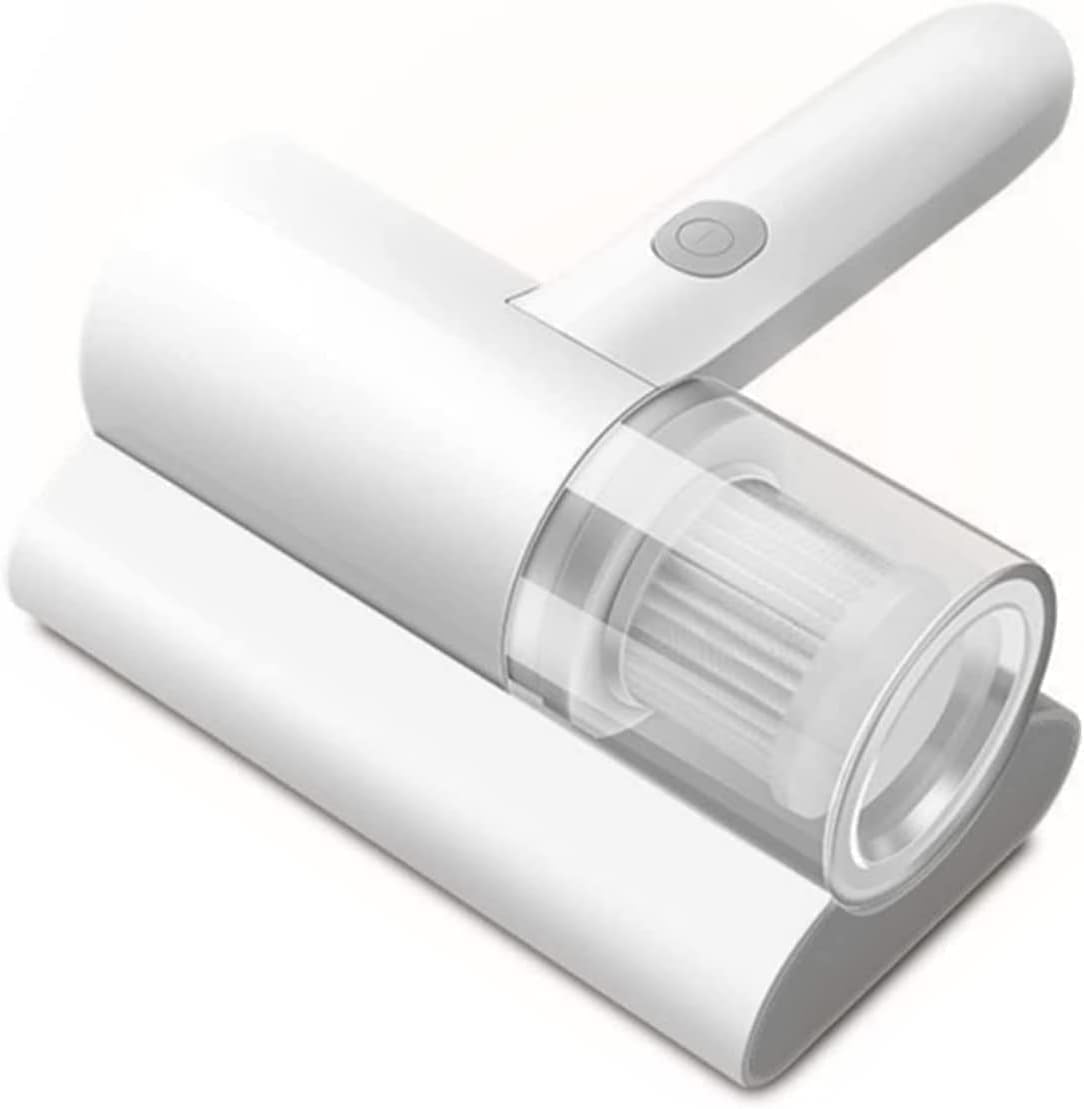
Suction that stays sealed
Raw power matters less than the seal. A head that hugs the fabric keeps the airflow working where you need it, while a loose head lets air rush in from the sides and does very little. Push the head across a mattress and you should feel it grip slightly and drag.
Agitation you can feel
Suction alone lifts loose surface dust. Embedded particles need to be knocked free first, so a vibrating or tapping action is what separates a dust mite vacuum cleaner from a handheld with a narrow nozzle. Rest a hand on the body of the machine while it runs; the vibration should be obvious.
Filtration and how easy it is to empty
A fine, washable filter and a transparent dust cup are the practical combination. Transparent matters more than it sounds, because seeing what came out of a mattress is the thing that makes people keep doing it. Check that the cup releases with one hand and empties without you reaching inside.
Weight, cable and handling
You will be leaning over a bed and working across a large surface, so a heavy body becomes tiring long before the mattress is finished. Test the balance in your hand, and check that the cable is long enough to reach around a bed without unplugging halfway through. A dust mite vacuum cleaner that is awkward to hold gets used twice a year at best.
The WLD Store pick: Dust and Mite Vacuum Cleaner
WLD Store lists this dust mite vacuum cleaner under Home and Kitchen and Home Appliances as a bed vacuum for mattresses and sofas. These are the details from the listing.
- Product: Dust and Mite Vacuum Cleaner, listed as a UV bed vacuum for mattress and sofa
- Brand: WLD
- Categories: Home and Kitchen, Home Appliances
- Purpose: deep-cleaning mattresses, pillows and sofas from dust and mites
- Described as: a powerful suction bed vacuum for healthier sleep for the whole family
- SKU: WLD-KSA-0145-(ZB-DMC-N-HAE-ZAM-KSA)
- Availability: available across Saudi Arabia through secure checkout
The full listing is on the Dust and Mite Vacuum Cleaner product page. It is worth thinking of a dust mite vacuum cleaner as a maintenance tool for the soft surfaces in a home rather than a one-off deep clean, because the benefit comes from repetition.
How to use a dust mite vacuum cleaner properly
Technique changes what a dust mite vacuum cleaner achieves more than its specification does. This sequence takes about fifteen minutes for a double mattress the first time.
- Strip and wash the bedding first. Sheets, protectors and pillowcases go straight into a hot wash so you are not vacuuming a surface you are about to recontaminate.
- Open a window. Ventilation carries away anything that escapes, and it drops the room humidity that lets mite populations recover.
- Work in overlapping strips. Move slowly, one hand span at a time, overlapping each pass by half. Speed is the most common mistake: the agitator needs seconds on each patch, not a quick sweep.
- Go over the seams twice. Piping, buttons and quilted channels collect the most debris and hold it tightly.
- Do both sides where you can. If the mattress is not one-sided, flip it and repeat, then leave it to air before remaking the bed.
- Empty the cup outside. Emptying a full dust cup over an indoor bin returns a fine cloud of what you just removed.
- Finish with the pillows. Pillow cores are often worse than the mattress and take under a minute each.
The first pass over an old mattress usually fills the cup and surprises people. That is normal, and it drops sharply on later sessions, which is the sign the routine is working rather than the machine failing.
A realistic cleaning schedule
The best dust mite vacuum cleaner schedule is the one you will keep. This one suits most households without turning into a second job.
- Weekly: wash and hot-dry the bedding, and air the mattress for an hour with the covers off.
- Every two to four weeks: run the dust mite vacuum cleaner over the mattress top and both pillows.
- Monthly: do the sofa, the fabric headboard, cushion covers and any upholstered chairs.
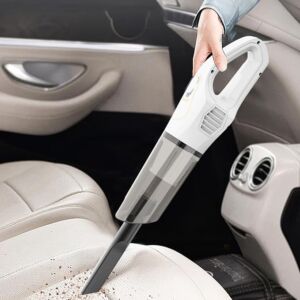
- Seasonally: add curtains, rugs, car seats and the mattress sides and underside, ideally at the change of season when you are rotating bedding anyway.
- Twice a year: deep clean the filters, check the machine and rotate or flip the mattress.
Households with pets, babies, indoor drying or high humidity should move up a step in frequency. So should anyone who reacts noticeably to dust, since the benefit of this kind of cleaning is cumulative rather than instant.
What else reduces dust mites in a bedroom
A dust mite vacuum cleaner is one part of a set of changes that work better together than alone.
Lower the humidity. Mites struggle in dry air, so ventilating the room daily, running air conditioning sensibly and not drying laundry in the bedroom all make a measurable difference over weeks.
Use a washable mattress protector and a pillow protector. They are the barrier that stops new debris entering the core, and unlike the mattress they can go through a hot wash.
Wash bedding hot and dry it thoroughly. Warm washes remove dirt but a hot wash is what deals with the mites themselves. Complete drying matters just as much, since damp bedding restarts the cycle.
Reduce dust traps where you can. Fewer soft toys on the bed, fewer cushions kept for looks, and a clear floor around the bed all cut the surfaces that hold dust, and they make each pass with a dust mite vacuum cleaner faster.
Dust mite vacuum cleaner versus a normal vacuum with an upholstery tool
Any decent vacuum with a small upholstery head will pull loose dust off a mattress, and if you own one, you should use it. The honest comparison comes down to three differences.
The first is agitation. A dust mite vacuum cleaner taps or vibrates the fabric constantly; a standard upholstery tool relies on suction and your arm. Embedded debris behaves very differently between the two.
The second is handling. A cylinder vacuum dragged onto a bed is awkward and can mark the mattress, while a compact handheld unit is designed for horizontal work at that height. Awkward tools get used less, and frequency is the whole point.
The third is filtration at the exhaust. Blowing fine dust back out at mattress level is worse than not vacuuming at all, so if your main vacuum has an old or unsealed filter, a dedicated dust mite vacuum cleaner is the better tool. If your household vacuum is well sealed with a clean filter and you are diligent, it is a reasonable substitute for the mattress top, though not for the seams.
Care and maintenance of the machine
- After every use: empty the dust cup and tap out the filter, ideally outdoors or over an outside bin.
- Monthly: wash the filter in cool water if the design allows, and let it dry completely before refitting. A damp filter kills suction and smells.
- Monthly: check the agitator and roller area for hair and thread, which wrap around moving parts and slow them down.
- Every few months: wipe the head and inspect the sealing edges for splits, since a torn seal is the most common cause of lost suction.
- Always: store it dry and out of direct sunlight, with the cable loosely coiled rather than pulled tight around the body.
Never run a dust mite vacuum cleaner with a wet filter or over a damp mattress. Moisture plus fine dust equals a paste that clogs the filter permanently, and a mattress that has been shampooed needs to be bone dry before a vacuum goes anywhere near it.
Common problems and quick fixes
- Suction feels weak. Nine times out of ten the filter is clogged or damp, or the dust cup is fuller than it looks. Clean both before assuming a fault.
- The head will not glide. That is usually correct behaviour on a sealed head. If it is genuinely stuck, reduce downward pressure and let the machine do the work.
- Dust smell during use. The filter needs washing, or the cup was emptied but not wiped. Fine dust clings to the inside of the cup.
- No visible improvement in symptoms. A dust mite vacuum cleaner alone rarely does it. Pair it with protectors, hot washes and lower humidity, and give the routine several weeks.
Who probably does not need one
Households with mostly hard furnishings, leather or vinyl sofas and no fabric headboards have very little for a dust mite vacuum cleaner to do. Wiping a leather sofa is faster and more effective than vacuuming it.
People who already own a well-sealed vacuum with a good filter and a proper upholstery tool, and who genuinely use it on the bed every few weeks, are covering most of the benefit already. Adding a dust mite vacuum cleaner in that situation buys convenience rather than a new capability.
And if allergy symptoms are severe or persistent, the priority is a proper medical assessment rather than an appliance. Cleaning helps with the environment; it is not a diagnosis or a treatment plan.
Buying checklist
- Does the head seal against fabric, or does air escape around the edges?
- Can I feel real agitation, not just suction, when the machine is running?
- Is the filter washable, and is the dust cup transparent and easy to empty one-handed?
- Is it light enough that I will happily lean over a bed with it for fifteen minutes?
- Does the cable reach right around my bed, or will I be unplugging halfway through?
Other Home and Kitchen picks at WLD Store
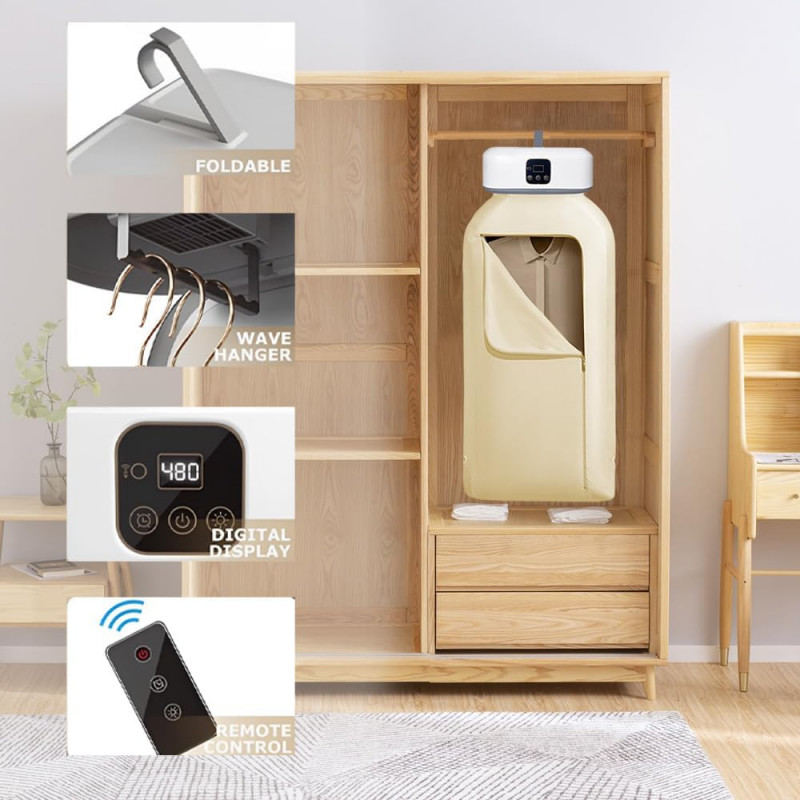
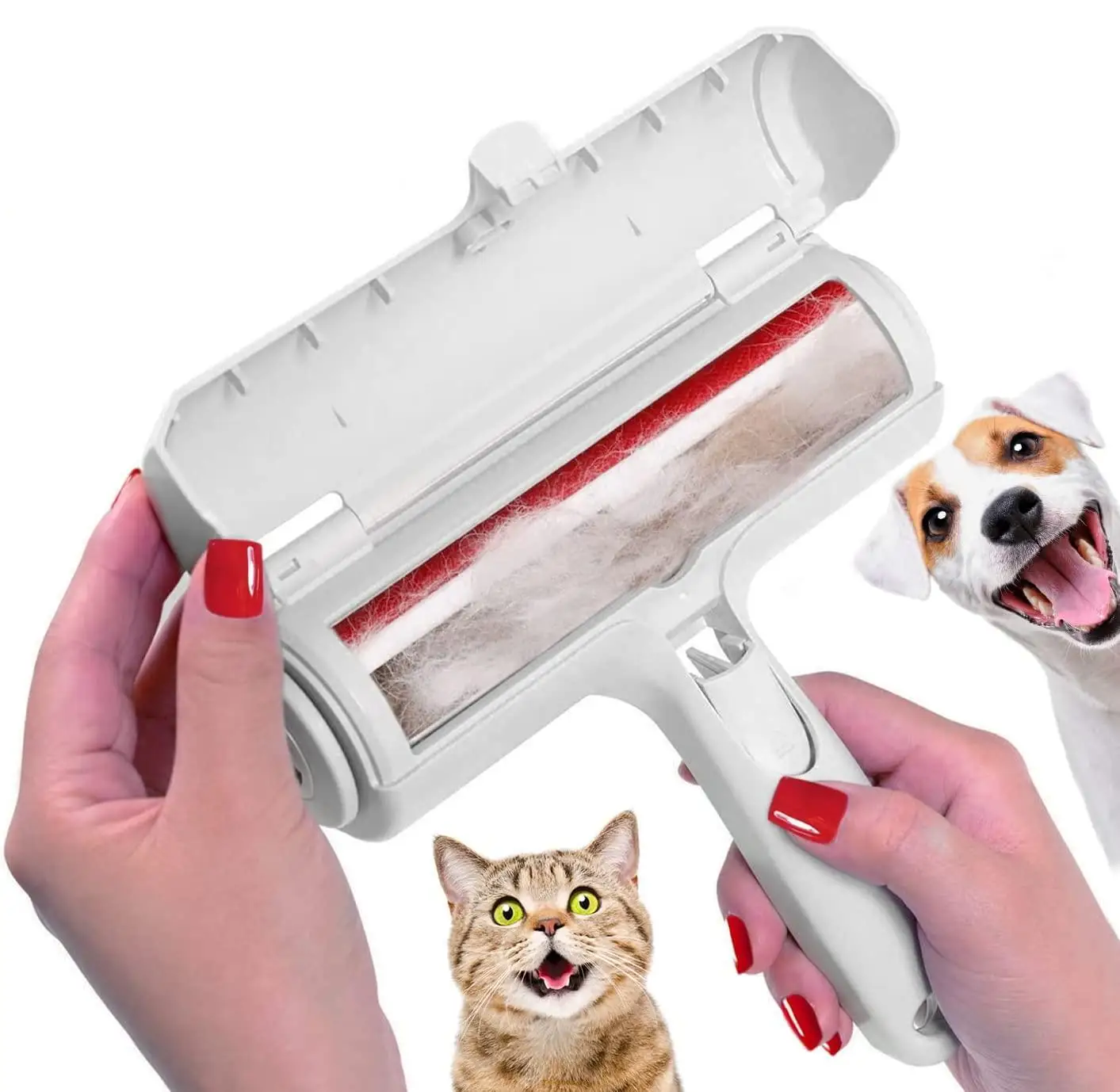
These three sit in the same part of the catalogue and cover other everyday household jobs.

Frequently asked questions about the dust mite vacuum cleaner
How often should I use a dust mite vacuum cleaner on my mattress?
Every two to four weeks suits most homes. Increase it if you have pets, dry laundry indoors, live somewhere humid or react noticeably to dust. The first session on an old mattress will collect far more than later ones, and that drop-off is the point.
Does it remove mites completely?
No, and no appliance should claim to. It removes a large part of the surface and near-surface debris, which is the material that becomes airborne when you move. Combining it with protectors, hot washes and lower humidity is what keeps levels down.
Can I use a dust mite vacuum cleaner on sofas, curtains and car seats?
Yes. Any fabric surface that cannot go in a washing machine is a good candidate, including sofa cushions, fabric headboards, curtains, rugs and car upholstery. Test a hidden corner first on delicate or loose-weave fabrics.
Does a dust mite vacuum cleaner need a UV lamp?
The mechanical work of agitation, suction and filtration is what removes material from the fabric. Where a machine includes an ultraviolet lamp it operates on the surface as you pass over it, so treat it as an addition to a good technique rather than a replacement for slow, overlapping passes.
Will a dust mite vacuum cleaner help with allergies?
Reducing household dust generally reduces exposure to common indoor triggers, which is a sensible goal for anyone. It is not a medical treatment, and persistent or severe symptoms should be discussed with a healthcare professional rather than managed with cleaning alone.
Can I use it on a damp or freshly cleaned mattress?
No. Wait until the mattress is completely dry. Vacuuming damp fabric pulls moisture into the filter, clogs it and can leave the machine smelling stale, which is a slow and avoidable way to ruin a dust mite vacuum cleaner.
How long each job takes
People abandon this kind of cleaning because they imagine it swallowing a Saturday. It does not, as long as you split the house into jobs rather than treating it as one project.
- A double mattress, first time: fifteen to twenty minutes of slow, overlapping passes, plus a few extra minutes on the seams and quilted channels.
- The same mattress later: eight to ten minutes once the backlog is gone, which is why regular sessions feel much easier than the first.
- Pillows: about a minute each side. Pillow cores hold more than most people expect and are the fastest win available.
- A three-seat sofa: ten to fifteen minutes, including lifting the cushions and doing the deck underneath, where crumbs and dust collect.
- Car seats: around fifteen minutes for a family car, and worth doing at the same time as the interior clean rather than as a separate trip.
- Curtains and a fabric headboard: five to ten minutes, usually only needed at the change of season.
Spreading these across a month works better than doing everything at once. One bedroom this weekend, the sofa the next, and the car when it is due a clean anyway means a dust mite vacuum cleaner never feels like a chore you have to schedule.
If you share the work, the mattress is the job worth doing carefully and the sofa is the one anyone can take over. The technique is not difficult; it only requires moving slowly enough that the agitator has time to loosen what the airflow then removes.
Soft furnishings are the part of a home that never gets properly cleaned, simply because they cannot be put in a machine. A compact bed vacuum, used slowly and regularly, closes that gap, and pairing it with washable protectors, hot washes and a well-ventilated bedroom does more than any single product on its own. You can view the listing on the Dust and Mite Vacuum Cleaner page or browse the rest of the range in the Home Appliances section. For background on how suction, agitation and filtration work together, the overview of the vacuum cleaner on Wikipedia is a good starting point.





Add comment