A posture corrector bra is one of those quiet wearables that only starts to make sense after a full day hunched over a laptop, when the ache settles in across your shoulder blades and refuses to leave. This guide explains what a posture corrector bra actually does, why X-shaped back designs behave differently from bulky clavicle braces, and how to build up wearing time without ending the week sore. You will also find sizing advice, a care routine that keeps the elastic alive for years, honest notes on who should skip this category entirely, and six questions shoppers ask most often. It is written for a first-time buyer who wants to understand the product before ordering it.
Why a posture corrector bra matters on long desk days
Slouching is rarely a decision. It creeps in over hours: the screen sits a little too low, the chair is a little too deep, and the shoulders quietly roll forward until the upper back is doing work the core should be handling. By late afternoon the muscles between the shoulder blades have been stretched and held in one position for so long that they simply stop reminding you to sit up.
This is the gap a posture corrector bra tries to fill. It does not force the spine into a new shape and it cannot build strength for you. What it does is supply a gentle, constant reminder at the exact moment your shoulders begin to round. That reminder is tactile rather than painful, which is why people tend to respond to it without consciously thinking about posture at all.
The upper back is a genuinely complicated structure, and the vertebral column is designed with natural curves that should be supported, not flattened. A well-made posture corrector bra works with those curves. It draws the shoulders back and slightly down, opening the chest without pinning the spine rigid, so you can still breathe deeply, reach for a keyboard and turn to talk to someone.
There is a second, less discussed benefit. Wearing one for an hour or two teaches you what upright actually feels like. Many people have slouched for so long that their sense of neutral has drifted, and the feedback from a posture corrector bra recalibrates that internal reference. Over time, some wearers find they catch themselves slouching even on days they are not wearing anything at all.
What makes a good posture corrector bra
The category is crowded and the differences are not always obvious from a product photo. When you compare options, four things decide whether a posture corrector bra ends up worn daily or abandoned in a drawer after a week.
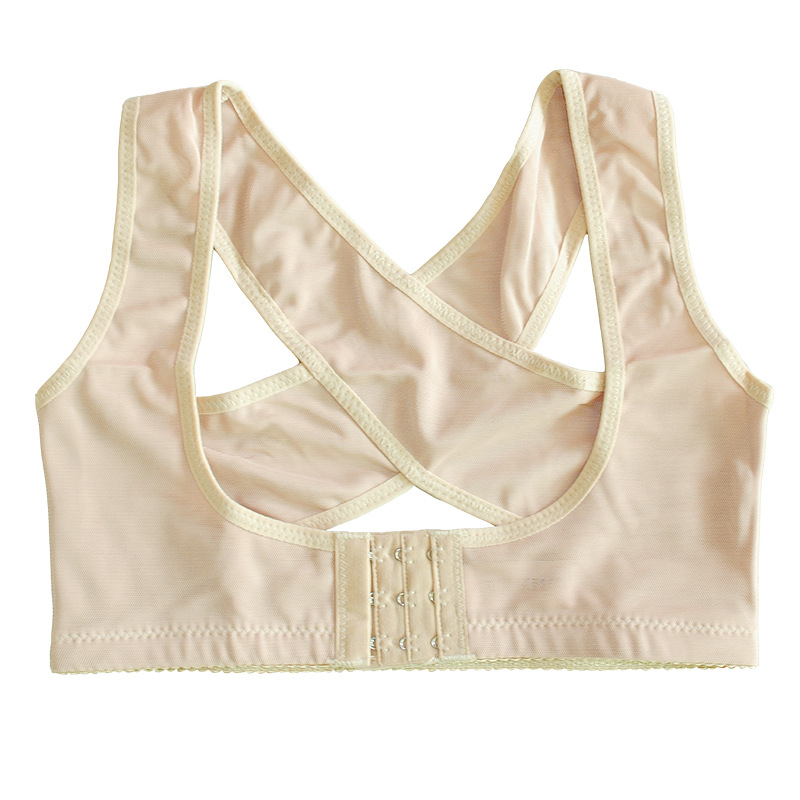
The X-shape and where the pull comes from
An X-shaped back is the defining feature of this design. The straps cross between the shoulder blades and anchor low, so the corrective pull originates from the mid-back rather than from the shoulders themselves. That matters: a design that pulls only at the shoulder tips tends to dig in and create a new ache to replace the old one. The crossing point should sit between the shoulder blades, not up near the neck.
Fabric, breathability and seam placement
Anything worn against the skin for hours has to breathe. Look for a knit that stretches in one direction more than the other, since that is what lets a band hold tension without turning into a tourniquet. Flat or bound seams matter more than most people expect, because a raised seam sitting under a bra band or a shirt seam is exactly where irritation starts on hour three.
Adjustability and honest sizing
Bodies are not standard, and a posture corrector bra that cannot be adjusted is a gamble. Adjustable straps let you dial the tension down on a heavy day and up when you are concentrating. Equally important, check the size chart against your own measurements rather than your usual clothing size, because support garments are cut closer than everyday tops.
How it should feel under clothes
The best posture corrector bra is the one you forget you are wearing. Bulk is the enemy here. A low-profile design disappears under a shirt or a work blouse, which is the difference between a product used every day and one saved for evenings at home. If you can see hard edges through a fitted top, the design is too heavy for daily use.
The WLD Store pick: X-Shape Back Posture Corrector Bra Support
WLD Store stocks the X-Shape Back Posture Corrector Bra Support, which sits squarely in the comfort-first half of this category rather than the rigid-brace half. Here is exactly what the listing covers, with nothing added:
- Product: X-Shape Back Posture Corrector Bra Support
- Category: Beauty & Personal Care
- Brand: WLD
- Design: a comfortable X-type back support intended to improve posture through regular daily wear
- Available in: the USA, with secure checkout
- SKU: WLD-US-0022
The emphasis on daily wear is worth reading closely. This is not a product that transforms anything in a single session; it is designed to be comfortable enough that you actually reach for it every morning. You can see the current listing on the X-Shape Back Posture Corrector Bra Support product page, where the photographs show the strap layout clearly.
How to wear a posture corrector bra without getting sore
The single most common mistake is enthusiasm. People pull the straps tight on day one, wear it for eight hours, and wake up with aching trapezius muscles. Muscles that have been shortened for years need a gradual introduction, exactly like starting a new exercise.
- Days one to three: twenty to thirty minutes at a time, tension light enough that you barely notice it. Wear it while doing something seated and focused.
- Days four to seven: stretch to forty-five minutes, once or twice a day. Take it off the moment anything starts to burn rather than pushing through.
- Week two: one to two hours per session, still with breaks. This is where most people settle, and it is plenty.
- Ongoing: two to three hours a day spread across sessions is a sensible ceiling for a posture corrector bra. All day, every day is not the goal.
Put it on over a thin base layer for the first week if your skin is sensitive. Position the crossing point between the shoulder blades before tightening anything, then adjust the straps evenly so one shoulder is not doing more work than the other. Uneven tension is the usual culprit behind one-sided soreness.
Sizing and layering: getting the fit right
Measure around the fullest part of the bust and around the ribcage just under it, and use both numbers against the size chart. If you fall between sizes, the larger one is generally the safer bet for a posture corrector bra, because you can add tension with the straps but you cannot add fabric. A band that is genuinely too small will roll and dig rather than support.
Layering deserves a moment of planning. Under a loose shirt, almost anything works. Under a fitted knit, the strap lines can show, so a slightly heavier top or a textured fabric hides the outline better. In warm weather, a moisture-wicking base layer between skin and support keeps things comfortable and also protects the elastic from body oils, which are what break down stretch fibres over time.
If you wear a conventional bra underneath, check where the two bands sit. Two elastic bands stacked in exactly the same place is a recipe for a pressure line by lunchtime. Offsetting them by even a couple of centimetres solves it completely.
Care and maintenance
Elastic garments die from heat and from detergent residue, in that order. Treat a posture corrector bra like good activewear and it will hold its tension for a long time; wash it like a towel and it will go slack within a couple of months.
- Hand wash in cool water with a small amount of mild detergent. Machine washing is survivable in a mesh bag on a delicate cycle, but hand washing is genuinely better.
- Never use fabric softener. It coats elastic fibres and permanently reduces their recovery.
- Skip the tumble dryer entirely. Heat is what kills stretch. Press the water out in a towel and dry flat, away from direct sun.
- Do not wring or twist. Twisting distorts the strap channels and the X-shape never sits quite the same afterwards.
- Store it flat or loosely rolled rather than hanging by one strap, which slowly stretches that strap out of shape.
Wash after every two or three wears in normal conditions, and after every wear in hot weather. If you plan to wear it daily, owning two and alternating them roughly doubles the useful life of both, because elastic needs a rest day to recover its shape just as much as you do.
Common problems and quick fixes
Most complaints about this category trace back to four fixable issues rather than to the product being wrong.
- Digging at the armpits: almost always over-tightening. Loosen both straps a full notch and check that the crossing point has not ridden up towards the neck.
- Soreness between the shoulder blades: normal in the first week if it is mild, and a signal to shorten sessions if it is not. Those muscles are being asked to work again.
- Straps slipping during the day: usually a sizing issue or a worn adjuster. Try it over a base layer with a bit more friction before assuming the garment has failed.
- Visible outline under clothes: reposition the band slightly higher or lower so it does not share a line with your bra band, and favour textured or thicker tops.
Who a posture corrector bra is not for
Honesty is more useful than a sales pitch here. A posture corrector bra is a comfort and habit product, not a medical device, and there are people who should not reach for one.
If you have persistent or sharp back pain, numbness, tingling down an arm, a diagnosed spinal condition, recent surgery, or you are pregnant, speak to a doctor or physiotherapist before wearing any support garment. Compression over an undiagnosed problem can mask a symptom that deserves attention, and a professional can tell you in ten minutes whether support helps or hinders your specific situation.
It is also the wrong product if you are hoping to skip strengthening work. Support garments and exercise are complements, not substitutes. Rows, wall angels and simple thoracic extensions do the part that no garment can do, and people who pair the two are consistently happier with the result than people who rely on the garment alone.
Posture corrector bra versus a rigid clavicle brace
The obvious alternative is the figure-of-eight clavicle brace, and the two products solve slightly different problems. A clavicle brace is more aggressive: firmer straps, more noticeable correction, and a much stronger sensation of being held. It is also far more obvious under clothing and considerably less pleasant to wear for long stretches.
A posture corrector bra trades some of that corrective force for wearability. Because it doubles as a bra-style garment, it integrates into getting dressed rather than adding a separate step, and that convenience is the reason it gets used. For a desk worker whose problem is gradual afternoon slouch, gentle and consistent generally beats firm and occasional.
Choose the brace if you want maximum feedback for short, deliberate sessions and do not mind how it looks. Choose the bra-style support if you want something you will genuinely wear through a working day under normal clothes.
Buying checklist
Before you order, run through these five questions. They filter out most of the disappointing purchases in this category.
- Do my actual bust and underbust measurements match the size chart, rather than my usual top size?
- Are the straps adjustable, so I can change tension between a light day and a heavy one?
- Does the X crossing point sit between the shoulder blades in the product photos, rather than high near the neck?
- Is the profile low enough to disappear under the shirts I actually wear to work?
- Can I commit to a two to three week build-up, and to some strengthening work alongside it?
Desk setup: give the posture corrector bra less work to do
No support garment can outperform a badly arranged desk. If your screen sits low, your shoulders will round towards it no matter what you are wearing, and the straps will simply spend the day fighting your furniture. Fixing the workstation first means a posture corrector bra becomes a light reminder rather than a constant tug of war.
Start with screen height. The top edge of the monitor should sit at roughly eye level so your gaze drops slightly rather than your neck bending forward. Laptop users are at a particular disadvantage here, because the screen and the keyboard are fixed together; a stand plus a separate keyboard solves in one step what hours of willpower cannot.
Chair depth matters almost as much. If you cannot sit fully back with your feet flat, you will perch on the front edge and your lower back will collapse, which pushes the upper back into exactly the rounded shape you are trying to correct. A footrest, or even a stack of books, restores the chain from the floor upwards so a posture corrector bra only has to manage the last few degrees.
- Monitor: top of the screen near eye level, roughly an arm length away.
- Keyboard and mouse: close enough that your elbows stay near your sides rather than reaching forward.
- Chair: sit fully back, feet flat, hips level with or slightly above the knees.
- Breaks: stand and roll the shoulders once an hour, which does more than any garment.
- Lighting: reduce glare, since squinting quietly pulls the head forward.
Once those five things are handled, most people find they need the support for shorter sessions and at lower tension. That is a genuinely good sign: the point of a posture corrector bra was never to hold you upright forever, but to bridge the gap while the habit and the surrounding muscles catch up with the new setup.
Other WLD Store picks worth a look
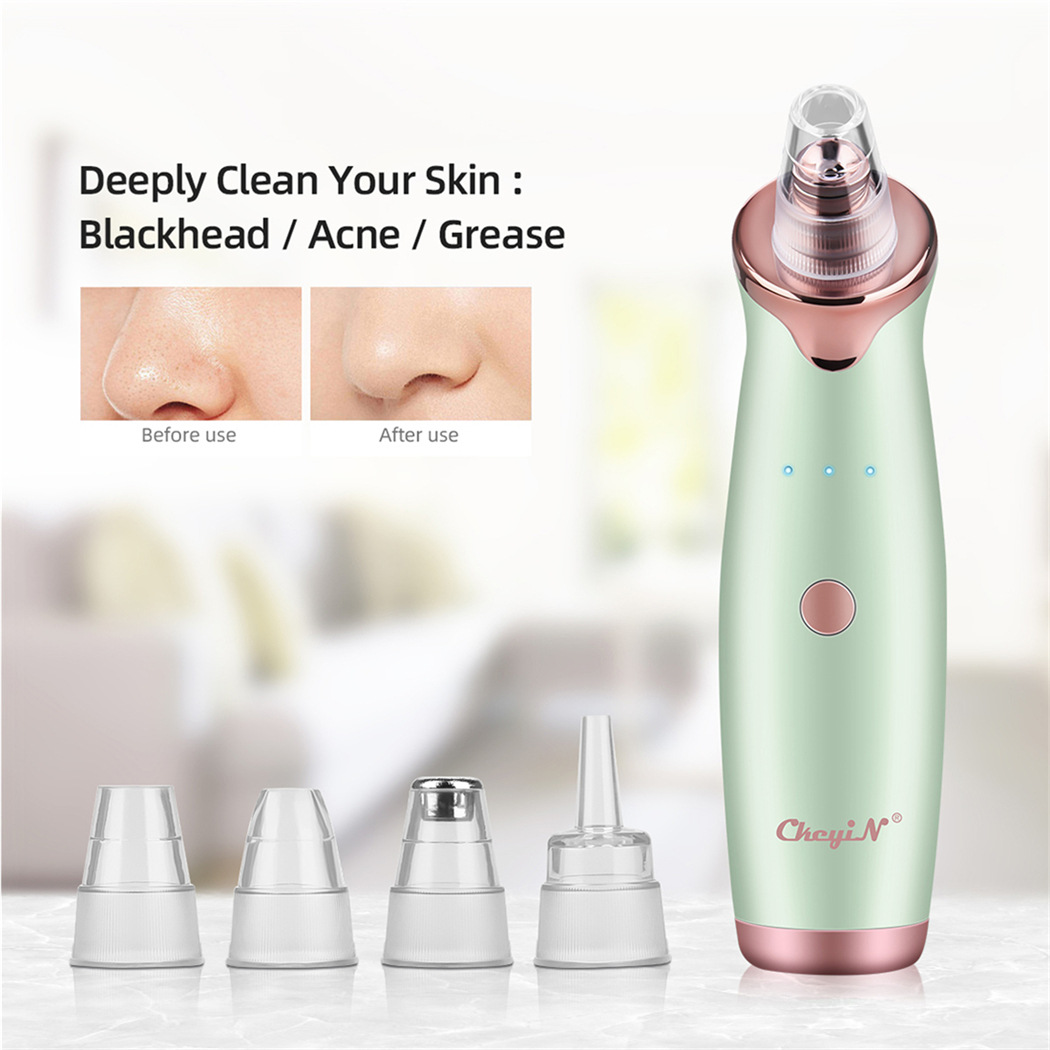
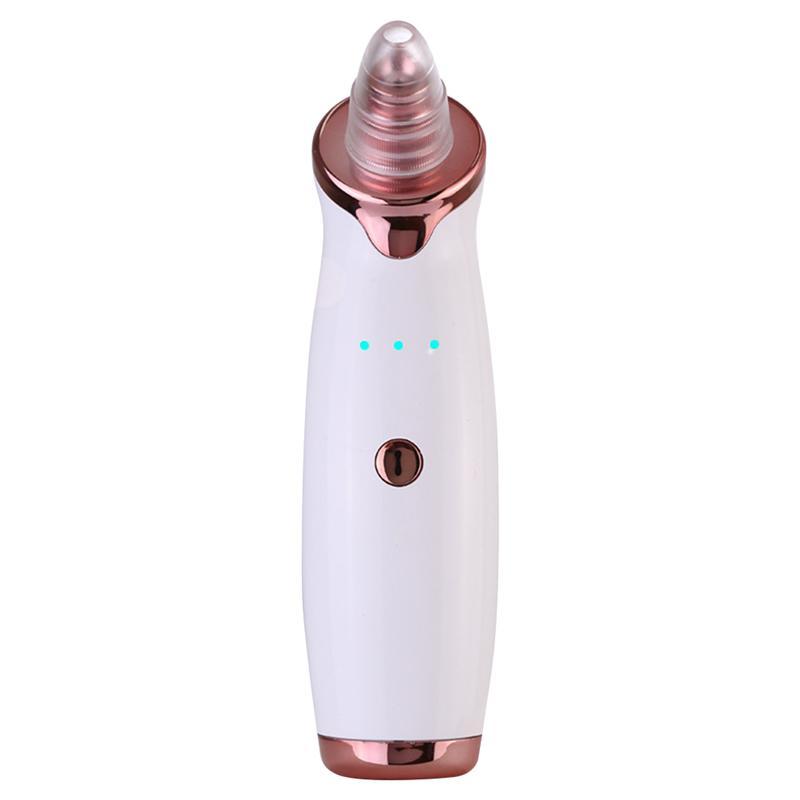
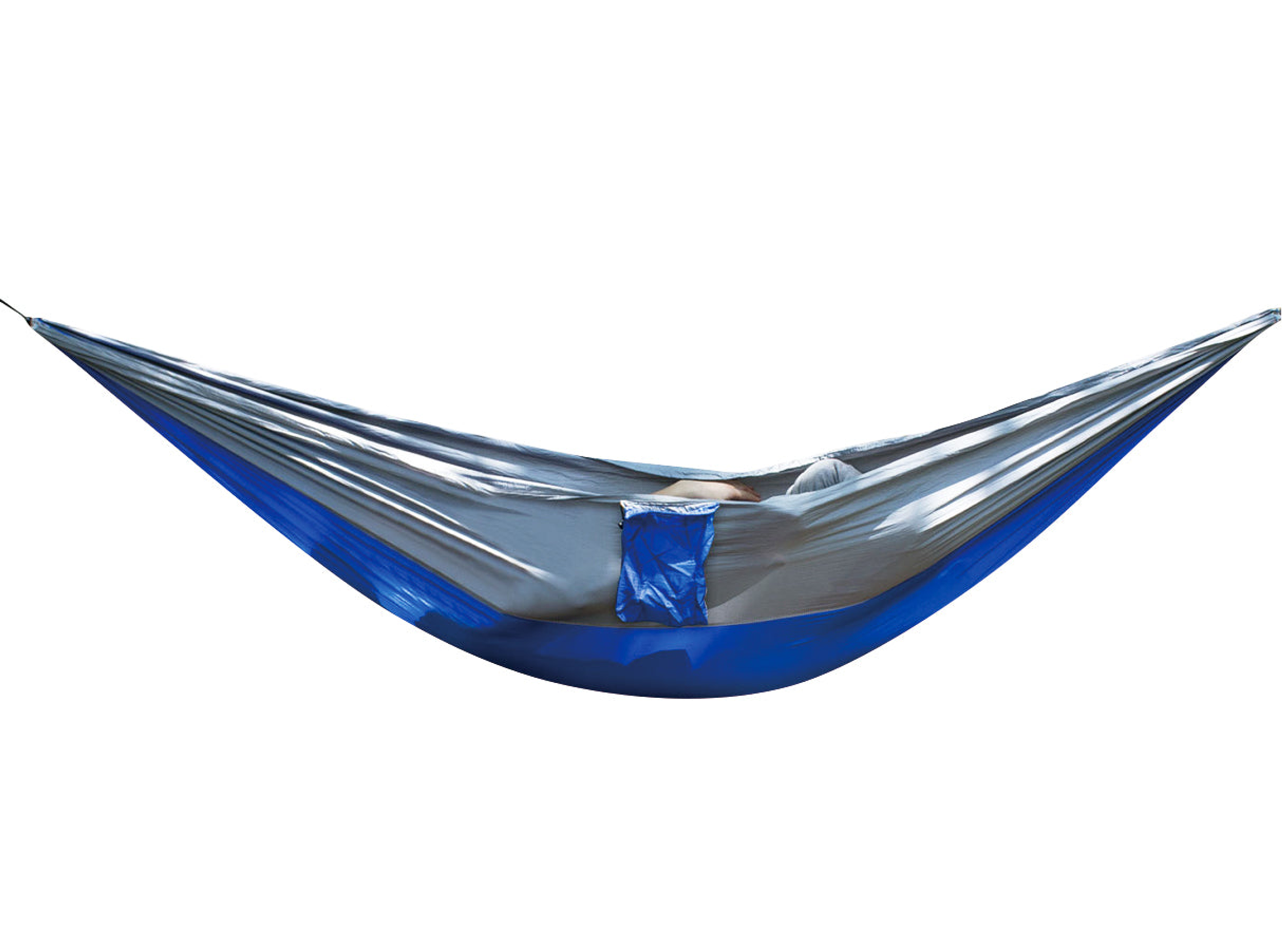
If you are browsing the personal care range, these three are also worth a look.
Frequently asked questions about the posture corrector bra
How many hours a day should I wear it?
Start at twenty to thirty minutes and build towards one to two hours per session over two to three weeks. Two to three hours spread across a day is a sensible long-term ceiling. Wearing a posture corrector bra continuously is not more effective and tends to leave the supporting muscles doing less work, which is the opposite of what you want.
Can I wear it under normal clothes to the office?
Yes, and that is largely the point of the bra-style format. The low profile sits flat enough to stay invisible under most shirts and blouses. Fitted knits are the exception, where strap lines can show, so a slightly heavier or textured top solves it.
Will it fix my posture permanently?
On its own, no, and any product promising that is overselling. What it reliably does is give you feedback and rebuild your sense of neutral. Lasting change comes from combining that feedback with strengthening exercises and a better desk setup. Think of a posture corrector bra as the reminder, not the cure.
Is it safe to sleep in?
No. Sleep is when the muscles and soft tissue of the back recover, and compression through the night interferes with that. Take it off before bed, every night, without exceptions.
Can I exercise while wearing one?
For light activity such as walking it is generally fine. For anything involving overhead movement, heavy lifting or a full range of shoulder motion, take it off. Restricting shoulder movement under load is how minor niggles become real injuries, and a posture corrector bra is not designed as training equipment.
How do I know if it is too tight?
Three signals mean loosen it now: any pins and needles, any colour change in the hands, and pain that is sharp rather than a mild muscular ache. Correct tension feels like a hand resting between your shoulder blades and gently suggesting you sit up, not like being tied.
Worn sensibly, a posture corrector bra is a small, low-cost nudge towards better habits at a desk, and the honest version of that promise is far more useful than the miracle version. Build up slowly, keep the tension gentle, wash it kindly and pair it with a few minutes of strengthening work each week. You can view the X-Shape Back Posture Corrector Bra Support on the storefront, or browse the wider range in the Beauty & Personal Care section to see what else fits your routine.


Add comment