A good spice jar set is one of those purchases that looks like decoration and turns out to be infrastructure. The masala shelf is where most kitchens lose the argument: torn packets folded over twice, a haldi bag that has coloured everything around it, three separate part-used bags of red chilli because nobody could find the last one. Decanting into matching jars fixes the mess, but more importantly it fixes the cooking, because you reach for the right thing at the right moment. This guide covers what separates a spice jar set worth owning from a pretty one, which spices deserve the jars, and how to keep what is inside them tasting of something.
Why a spice jar set beats a shelf of open packets
Ground spices are volatile. The aroma you smell when you open a fresh packet of coriander powder is the part doing the work in your cooking, and it leaves through air, light and heat. A folded packet with a rubber band offers almost no protection against any of the three, which is why a masala bought six months ago can smell like dust while the same spice from a sealed jar still smells like itself.
The second problem packets create is a workflow problem. Cooking a tarka is a sequence with a rhythm, and that rhythm falls apart when you are unrolling a bag with oily fingers while cumin darkens in the pan. A spice jar set puts every regular masala in the same shape of container, in the same place, opening the same way. You stop looking and start cooking.
There is a waste argument too. Duplicate half-packets exist because nobody can see what is already there. When six jars sit in a rack with visible levels, you buy what is low and only what is low. Over a year that is a real saving, and it means the spices you do own get used while they are still worth using.
Finally, there is the simple matter of the shelf itself. Loose powders migrate. Anyone who has wiped a sticky yellow film off a kitchen shelf knows that a sealed spice jar set is also a cleaning decision, not just a cooking one.
What makes a good spice jar set
Most sets are sold on how they look in a photograph, and looks are the least useful thing to judge them on. Five details decide whether a set survives a year of daily cooking.
The seal is the whole point
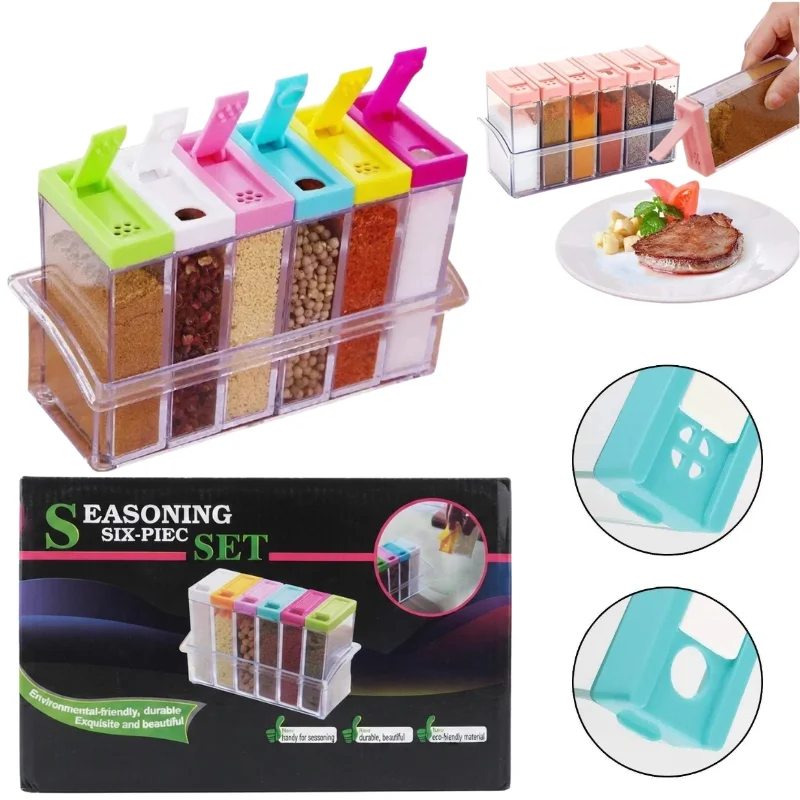
If the lid does not close properly, everything else about the set is decoration. A jar that merely rests shut lets air in continuously, and a spice jar set with weak seals will not keep garam masala smelling like garam masala for more than a few weeks. Look for a lid that closes with a definite click or a firm screw action, and treat any jar that pops open when tipped as a jar that will disappoint you.
How the spice actually comes out
This is where an easy-flow dispensing top earns its keep. There are three common approaches: a plain open mouth for spooning, a shaker with perforations, and a flip or pour spout that lets you control the stream. Powders and coarse spices behave differently, so the ideal is a top that pours a controlled line into a hot pan without dumping a spoonful when the jar tilts. Test it with your thumb: you should be able to open and close it one-handed, because the other hand is holding the pan.
Jar size and how many you need
Bigger is not better with spices. A jar so large that it takes eight months to empty is a jar that guarantees stale masala at the bottom. Small jars refilled often keep the contents fresher, which is why a six-jar spice jar set is such a common configuration: it covers the everyday masalas without encouraging you to store a year of stock in the kitchen. Keep bulk purchases in a sealed bag in a dark cupboard and use the jars as the working set.
The rack or stand
A rack is what makes a spice jar set a system rather than six loose jars. What matters is that it holds each jar securely, that you can lift one out and put it back one-handed, and that it fits the space you have, whether that is a counter corner, a shelf or a wall. A rack that tips when you remove the front jar will annoy you every single day.
Visibility and labelling
Six identical jars of red-brown powder in a spice jar set are a genuine problem at speed. Clear or partly clear bodies let you tell chilli from paprika at a glance, and labels handle the rest. Whatever the set comes with, plan on labelling in your own hand, in whatever language you actually think in while cooking.
The WLD Store pick: Spice Jars Dispenser Set of 6
Here is the spice jar set we stock, described using only what the listing states:
- Product: Spice Jars Dispenser Set of 6
- Brand: WLD
- Category: Home and Kitchen
- Configuration: six jars supplied as a set
- Seal: airtight jars, intended to keep spices fresh
- Dispensing: easy-flow design for controlled pouring
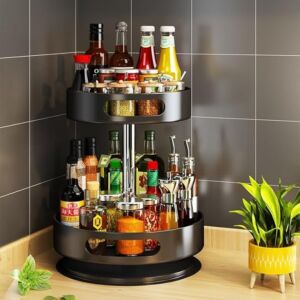
- Format: supplied as a masala rack so the jars stay together and organised
- SKU: WLD-PK-0014-(YM-Ho-90-00-00-901)
- Availability: available across Pakistan through WLD Store with secure checkout
Six airtight jars in a rack is the configuration that suits most home kitchens, because it matches the number of masalas a typical household reaches for daily. Full photographs and current availability are on the Spice Jars Dispenser Set of 6 product page.
Which six spices belong in your spice jar set
This is the question people underestimate, and getting it wrong is why some sets end up half unused. The jars should hold what you use several times a week, not what sounds impressive.
- Red chilli powder — used in nearly everything, and the one you most want a controlled pour on.
- Turmeric — small quantities, used constantly, and the worst offender for staining a shelf when kept in a packet.
- Coriander powder — usually the largest volume of any ground spice in a Pakistani or Indian kitchen.
- Cumin — whole or ground depending on how you cook; whole seeds need a wider opening.
- Garam masala — the most fragile of the group, and the one that most rewards an airtight jar.
- Salt or a blend you use daily — chaat masala, kitchen king or whatever your household actually reaches for.
Spices you use monthly rather than daily are better kept in their original packaging inside a sealed box. A spice jar set works best as a front line, not as a warehouse. If you cook a lot of one particular cuisine, swap the sixth jar for whatever that cuisine demands, and keep the rest of the collection out of the rack. For background on how widely these ingredients travel and vary, the Wikipedia overview of spices is a good starting point.
How to fill, label and organise your spice jar set
- Wash and dry the jars completely first. Any trace of moisture will cake a powder within days, and a damp jar is the single most common cause of a clogged dispensing top.
- Use a funnel or a folded sheet of paper. Pouring straight from a packet into a narrow neck is how half of it ends up on the counter.
- Do not fill to the very top. Leaving a little headroom lets the powder move, which matters for pouring and for shaking a lump loose.
- Label on the side, not only the lid. Lids get swapped. A side label survives the confusion.
- Arrange by frequency, not alphabetically. The three you reach for most should be nearest your dominant hand.
- Write the refill date somewhere. A small date on the base tells you at a glance whether that garam masala is from this year.
- Keep the set away from the hob. Steam and radiant heat are exactly what you bought airtight jars to protect against, so a spice jar set stored directly above a burner defeats its own purpose.
Care and cleaning your spice jar set
A spice jar set needs less maintenance than almost anything else in a kitchen, but it needs the right kind.
- Empty a jar completely before refilling it. Fresh powder poured on top of old leaves a stale layer at the bottom that never leaves.
- Wash in warm soapy water and dry fully. Air dry upside down for several hours; residual damp is far more damaging than a little dust.
- Clean the dispensing top separately. Powder packs into the mechanism and hardens. A dry brush or a cocktail stick clears it in seconds.
- Change what a jar holds carefully. Strong spices leave scent behind, so wash thoroughly and air the jar before switching from chilli to something delicate.
- Avoid the dishwasher unless the set says otherwise. Heat can distort seals and cloud clear bodies, and a distorted seal ends the usefulness of the jar.
- Wipe the rack occasionally. Oil vapour settles on everything near a cooking area, including the outside of a spice jar set.
Common spice jar set problems and quick fixes
- The powder has set into a solid block. Moisture got in, usually from a wet spoon or a damp jar at filling time. Break it up, dry the jar completely, and always use a dry spoon.
- The dispensing top has clogged. Fine powders pack into small holes. Clear it with a dry brush, and if it keeps happening, move that particular masala to a jar with a wider opening.
- Everything smells like chilli. Either a lid is not sealing or a jar was reused without a proper wash. Check each seal by tipping the closed jar over a sheet of paper.
- You cannot tell two jars apart. Label in your own handwriting on the side of the jar. Matching printed labels look neat and are useless when four of them are shades of brown.
Spice jar set buying checklist
- Do the lids seal firmly, or just sit in place? This is the first thing to test and the most important.
- Can you pour one-handed into a hot pan? If not, you will end up using a spoon and defeating the design.
- Is the jar size matched to how fast you cook through a masala? Smaller and refilled often beats large and stale.
- Does the rack fit the space you actually have? Measure the shelf or counter corner before buying.
- Can you clean the dispensing mechanism without tools? A top that cannot be cleared will clog permanently within months.
More Home and Kitchen picks at WLD Store
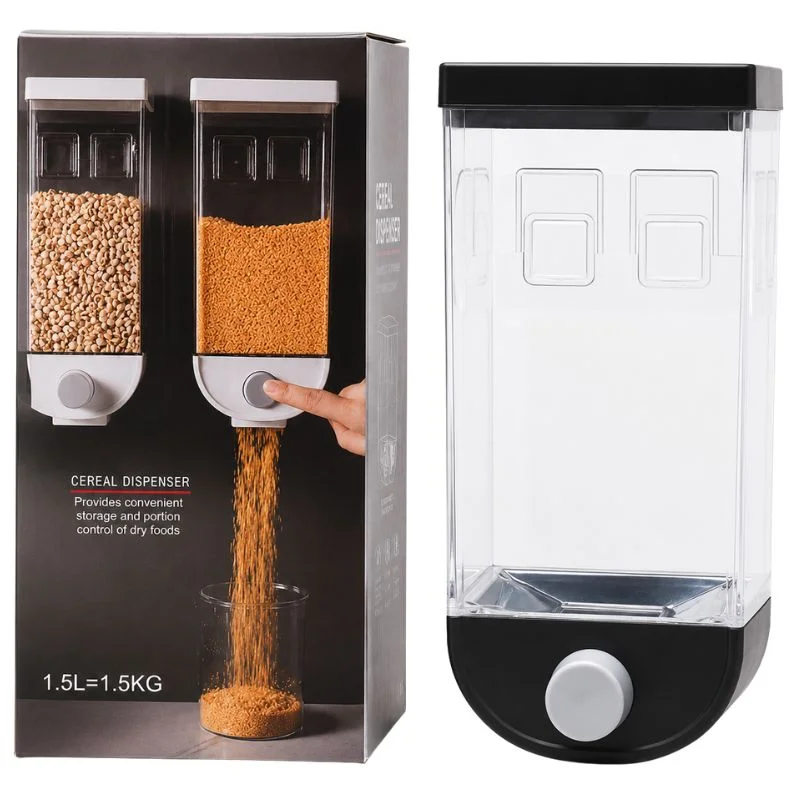
These three are popular with shoppers organising a kitchen around a spice jar set:


Spice jar set vs a traditional masala dabba
Most kitchens already own a masala dabba: the round steel tin with seven small bowls under one shared lid. It is a genuinely good design, and a spice jar set is not a straight replacement for it. The dabba is a cooking tool. It opens once, sits beside the hob, and everything you reach for during a single dish is inside that one lid.
A spice jar set is a storage tool instead. Each jar seals on its own, so opening the chilli powder does not expose the turmeric to steam rising off the pan. That matters, because a shared lid means every spice in the tin ages at the speed of whichever one you open most often. If the dabba lives beside the stove, that is the quickest way to lose colour and aroma.
The most practical arrangement is to use both rather than choose between them. Keep the dabba as the working set for the five or six things you cook with daily, and keep a spice jar set as the sealed source you refill from, stored away from heat and light. Topping up a small bowl once a week from a properly sealed jar keeps what you cook with fresh and the bulk of your stock protected.
There are also jobs a dabba simply cannot do. A spice jar set labels clearly, so anyone in the house can find the coriander without lifting five lids. It stands in a row or a rack rather than needing a flat circle of shelf. And it holds whole spices, seeds and coarse mixes that would spill between compartments in a shared tin.
How long spices last, and when to refill your spice jar set
Spices do not spoil in a way that makes anyone ill; they simply fade. The oils that carry aroma evaporate, and what is left tastes dusty. A rough schedule is far more useful here than a date printed on a packet.
- Ground spices, around six months. Turmeric, chilli, coriander and garam masala lose their edge fastest because so much surface is exposed to air. If a pinch on your palm smells of very little, the dish will taste of very little.
- Whole spices, a year or more. Cumin seeds, cardamom pods, cloves and peppercorns keep their oils locked inside until you crush them, which is exactly why grinding in small batches is worth the trouble.
- Dried herbs, six to twelve months. Oregano, thyme and kasuri methi go pale and papery long before they smell of nothing. Colour is the giveaway.
- Salt and sugar, indefinitely. They only clump, and a few grains of dry rice in the jar deals with that.
Two habits make the difference. Write the refill date on the base of each jar with a marker, so you are judging age rather than guessing at it. Then buy in the quantity you will genuinely finish inside that window, because a large bag of ground masala is only a saving if you use it before it goes flat. Refilling a spice jar set little and often is what keeps a shelf honest.
Frequently asked questions about a spice jar set
How long do spices last once decanted into a spice jar set?
Ground spices are at their best within roughly six months and whole spices last considerably longer, but the container matters as much as the calendar. An airtight jar kept away from heat and light will hold aroma far longer than a folded packet. Trust your nose over any date: if it smells of nothing, it will taste of nothing.
Should I keep whole or ground spices in the jars?
Both work, and many cooks split the set between them. Whole seeds such as cumin need a wider opening to pour cleanly, while fine powders need a top with small enough holes to control the flow. Match each masala to the jar whose opening suits it rather than filling them in whatever order they come out of the box.
Is six jars enough for a home kitchen?
For daily cooking, yes. Six covers the masalas most households reach for several times a week, and keeping the occasional spices elsewhere is better practice anyway. If you cook several cuisines regularly, a second spice jar set is a more useful purchase than one enormous rack, because you can group the jars by the way you cook.
Where should the rack be kept?
Close enough to the hob to reach mid-cooking, far enough that it never sits in steam or radiant heat. A shelf beside the cooking area or a counter corner out of the splash zone works well. Direct sunlight on a windowsill is the worst option, however good it looks.
Can the jars be used for things other than spices?
Yes, as long as the contents are dry and free-flowing. Dried herbs, seeds, tea leaves and coarse salt all sit happily in a spice jar set. Avoid anything oily or moist, which will clog the dispensing top and be difficult to wash out afterwards.
How do I stop powder clumping in humid weather?
Keep the jars sealed, always use a dry spoon, and never pour a spice into a jar that has not fully air dried after washing. Filling smaller quantities more often also helps, because the powder spends less time in the kitchen atmosphere before it is used.
A spice jar set is a small change that improves the two things you notice most in a kitchen: how the food tastes and how the shelf looks. If the six-jar airtight rack suits your setup, the full listing is on the product page, and you can see the rest of the kitchen range in the Home & Kitchen section.



Add comment