A foldable electric clothes dryer answers a question that a washing machine never solves on its own: where does the laundry actually go once the cycle ends? In a flat with no balcony, during a dusty week, or on a humid evening when nothing dries by morning, that question turns into damp shirts on chair backs. This guide covers how an indoor electric dryer works, what separates a good one from a frustrating one, where to stand it, how to load it so clothes dry evenly, and how to look after it. There is also a fault-finding list, a buying checklist and six questions shoppers ask before ordering.
Why a foldable electric clothes dryer is worth the floor space
Air drying only works when the air cooperates. Indoors, in a closed room, a load of wet washing releases litres of water into the air, and once that air is saturated the clothes simply stop drying. Everyone knows the result: towels that are still cold and heavy the next afternoon, and a room that smells slightly sour.
Outdoor drying has its own interruptions. Dust in the air, a sandy wind, sudden rain, a shaded north-facing balcony in winter, or an apartment building that does not allow washing on the railings. A foldable electric clothes dryer moves the whole job indoors and takes weather out of the decision entirely.
The heated approach is different from a tumble dryer. A clothes dryer of the tumble type spins garments against hot air, which is fast but hard on fabric and needs venting or a condenser. A foldable electric clothes dryer instead hangs the washing still and moves warm air through it, which takes longer but treats clothes much more gently and needs nothing more than a socket.
The second half of the appeal is what happens when the laundry is done. A traditional airer stays up in the corner of the room forever. A foldable electric clothes dryer collapses down and goes behind a door or under a bed, which is why it suits small flats and shared rooms so well.
What makes a good foldable electric clothes dryer
Once you look past the pictures, the differences between models come down to heat, airflow, frame and footprint.
Gentle, even heat
Heat is not the point on its own; moving moisture out of the fabric is. Gentle warmth over a longer period dries a shirt just as thoroughly as fierce heat, without shrinking wool, warping elastic or setting creases into synthetics. A foldable electric clothes dryer that runs warm rather than hot is the safer choice for mixed household laundry, which is usually a bit of everything.
Airflow and how the rails are laid out
Warm air must reach every garment. Rails spaced too closely turn a full load into a solid wall of fabric, and the inside stays wet. Look at how the bars are arranged and how much clear space sits between them, because that spacing decides whether you can dry a whole wash at once or only half of it.
The frame and the fold
A folding mechanism is used hundreds of times a year, so hinges and locks matter more than they sound. The frame should open without fighting it, stand steady on an uneven floor, and fold flat enough to slide into a gap. Any wobble when the rails are fully loaded is a sign the frame is under-built.
Controls you will actually use
Remote control sounds like a small luxury until the dryer is standing in a spare room with a cover over it. Being able to start or stop from the doorway, without lifting a cover or reaching behind the frame, is genuinely convenient in daily use.
Quiet running
An indoor dryer usually shares a room with people. A quiet unit can run in a bedroom overnight or in a lounge during the evening. A noisy one gets banished to a corridor and used half as often.
The folded footprint
Measure the gap you plan to store it in before you buy, not after. The whole advantage of a foldable electric clothes dryer disappears if it will not fit behind the wardrobe door, so folded dimensions deserve as much attention as the drying area.
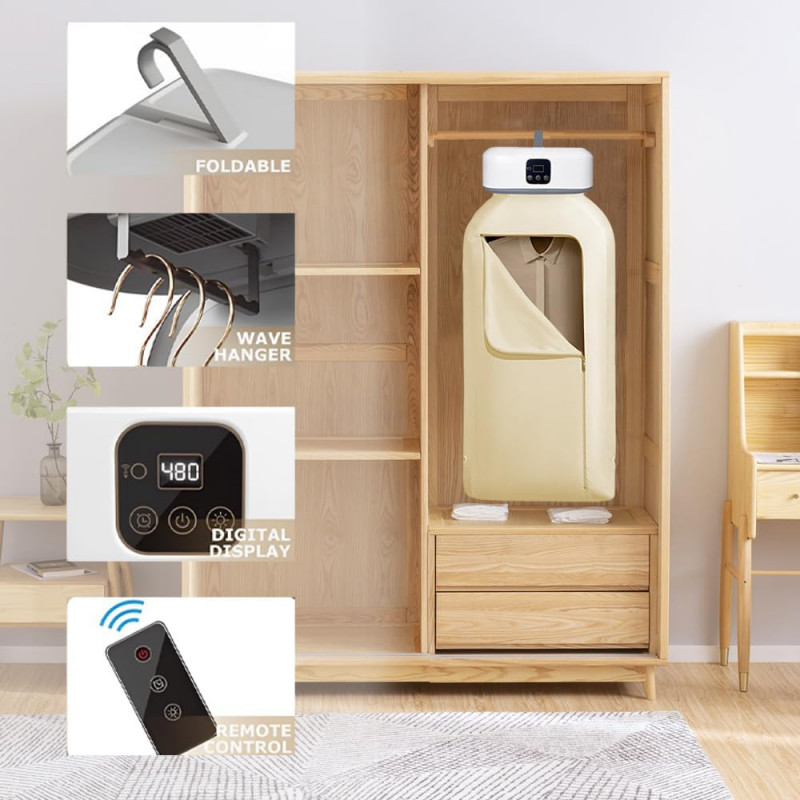
The WLD Store pick: Foldable Electric Clothes Dryer
This is the foldable electric clothes dryer listed at WLD Store, sold as a portable remote-control model.
- Product: Foldable Electric Clothes Dryer, a portable remote-control dryer.
- What it does: dries clothes indoors whatever the weather is doing outside.
- Heat: gentle warmth rather than the fierce heat of a tumble action.
- Running noise: quiet operation, so it can share a room.
- Storage: folds flat when the laundry is done.
- Best suited to: apartments and humid days, according to the product listing.
- Categories: Home and Kitchen, Home Appliances.
- Brand: WLD.
- SKU: WLD-KSA-0150-(M5-S-0234).
- Availability: available across Saudi Arabia through secure checkout.
See the full listing here: Foldable Electric Clothes Dryer at WLD Store.
How to get clothes properly dry, not just warm
Most disappointment with indoor drying comes from loading, not from the machine. These habits make the difference.
- Spin the wash twice if it comes out heavy. Every extra minute in the washing machine drum removes water for free. A dryer only has to finish the job, not start it.
- Hang, do not pile. Give each item its own space on the rail. Two shirts sharing one bar will both take twice as long.
- Put heavy items at the bottom. Warm air rises, so jeans and towels belong low and light shirts higher up.
- Turn thick seams outward. Waistbands, pockets and cuffs hold the most water. Face them into open air rather than pressing them against another garment.
- Use the cover if one is supplied. Keeping warm air around the clothes instead of letting it drift into the room is what makes a foldable electric clothes dryer efficient.
- Crack a window or run an extractor. The water has to leave the room eventually. A small gap prevents condensation on cold walls and glass.
- Shuffle the load once. Halfway through, swap the inner items to the outside. It costs a minute and can save an hour.
Care and maintenance
An indoor dryer leads an easy life compared with most appliances, but a few habits keep it working properly for years.
- Let it cool before folding. Collapsing a warm unit traps humid air inside the folded frame.
- Wipe the rails now and then. Detergent residue transfers from clothes to bars and eventually marks light fabrics.
- Keep the air inlet clear. Lint and dust around the intake reduce airflow, which makes every load slower.
- Store it dry. Never fold a damp cover away with the frame. Hang the cover separately until it is completely dry.
- Check the cable each month. Look for kinks or pinch marks where the frame folds, and never run the cable under a rug.
- Wipe rather than wash. A damp cloth on the frame is enough. No part of a foldable electric clothes dryer should be put under a tap.
Read the instruction sheet that comes in the box for the specific electrical guidance for your unit, and follow it over any general advice, including this article.
Common problems and quick fixes
- Clothes are dry outside, damp at the seams. The load was packed too tightly. Space garments further apart and turn thick seams towards open air.
- The room feels muggy after a cycle. That moisture came out of the clothes, which means the dryer worked. Ventilate the room during and after the load so the damp air actually leaves.
- Drying takes far longer than expected. Usually the washing went in too wet. Add a second spin, and check that nothing is blocking the airflow around the frame.
- The frame wobbles when loaded. Check that all folding joints have locked fully open and that the feet sit level. Distribute heavy items evenly rather than hanging everything on one side.
Buying checklist: five questions before you order
- Where will it stand while running? You need a spot near a socket with clear space around it and no curtains touching the frame.
- Where will it live when folded? Measure the storage gap first; a foldable electric clothes dryer is only convenient if it disappears afterwards.
- How big is a typical load here? A household of four generates far more laundry per wash than a single person, and rail space is the limit.
- Do I need to run it while people sleep? If yes, quiet operation moves to the top of the list.
- What am I drying most? Delicates and knitwear favour gentle heat; heavy towels need airflow and patience.
Other home picks at WLD Store
Three more items from the same part of the WLD Store range.

Smart Blender 15-Speed for smoothies, juices and grinding.
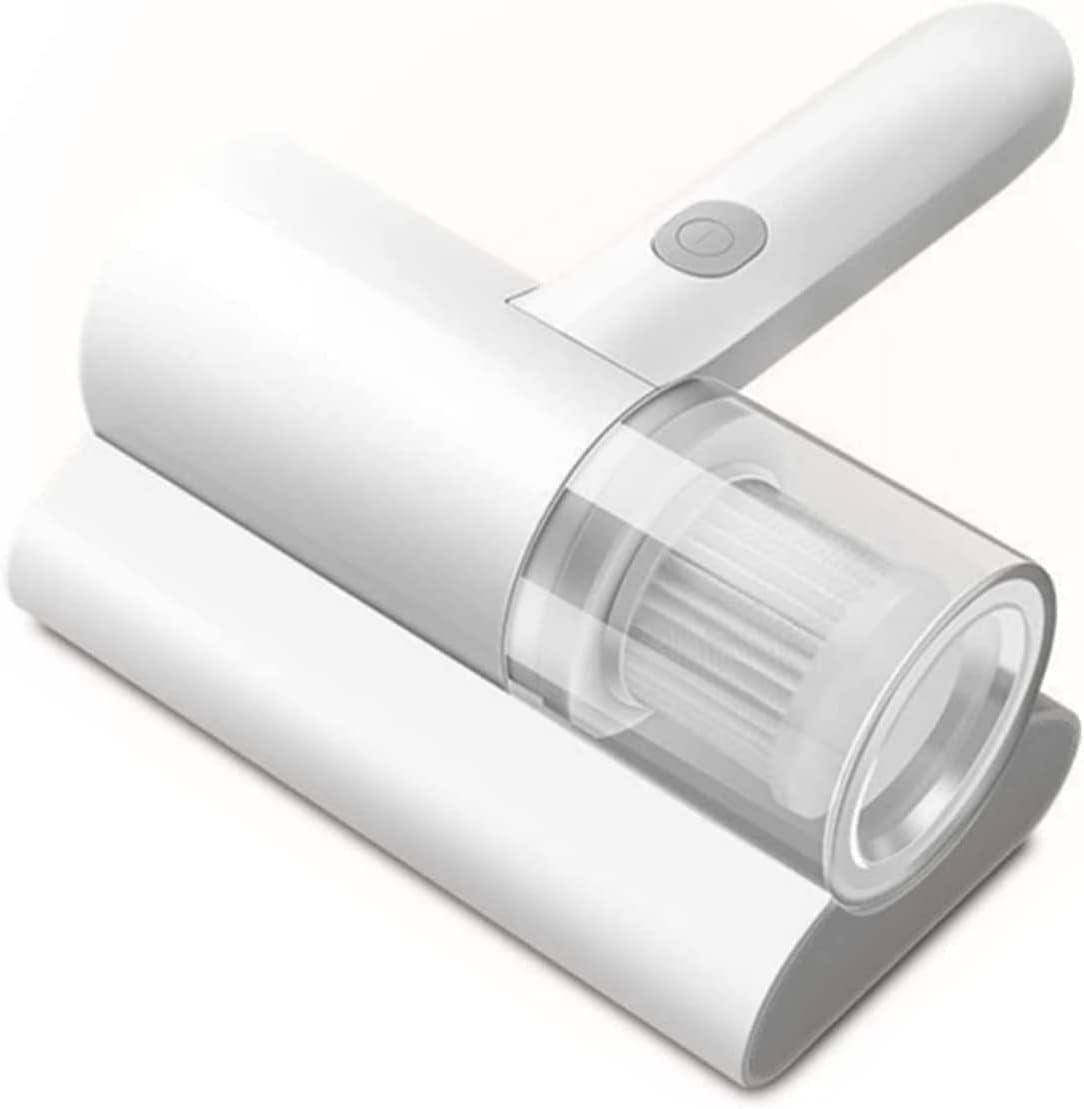
Dust and Mite Vacuum Cleaner for mattresses, sofas and cushions.

Pet Hair Remover Roller for clothes that come off the rail covered in fur.
Foldable electric clothes dryer vs a tumble dryer and a plain rack
Most people choosing a foldable electric clothes dryer are really deciding between three things, and each one solves a different problem. A vented or condenser tumble dryer is the fastest option, but it needs a permanent spot, a power circuit that can carry it and, in many flats, a vent or a drain. A plain airing rack costs the least and needs nothing at all, but it is entirely at the mercy of the weather in the room.
The heated rack sits deliberately in the middle. It uses gentle warmth and airflow rather than a hot spinning drum, so it works on a balcony, in a spare room or beside a window without any installation at all. It folds away between loads, which a tumble dryer never does. What you trade is speed, because warm air is measured in hours rather than the forty minutes a drum takes.
The clothes themselves push the choice too. A tumble dryer tosses garments against each other, which is what shrinks wool, wears prints thin and turns delicate synthetics fluffy. A foldable electric clothes dryer holds everything still. For gym kit, printed shirts, baby clothes, thermals and anything with elastic in it, standing still in warm air is the kinder process by a wide margin.
A useful way to decide is by volume. If you dry more than a full load every day and you have the floor space and the wiring for a drum, buy the drum. If you dry a few loads a week, live somewhere without a vent, or share a wall with a neighbour who would notice a tumble dryer running at midnight, the foldable electric clothes dryer is the better fit. Plenty of homes end up with the rack precisely because the drum was never realistic.
Season by season with a foldable electric clothes dryer
The same machine behaves quite differently across the year, and knowing that in advance saves a lot of frustration.
- The rainy months. This is where a foldable electric clothes dryer earns its keep. Outdoor air is already saturated, so a line achieves nothing. Close the room, leave one window open a crack so the moisture has somewhere to go, and give each load more room than usual, because crowding is what causes that flat damp smell.
- Winter. Cold air holds less moisture, so drying is slower and condensation on the windows is more likely. Run the foldable electric clothes dryer in a room with a door you can shut, then wipe the glass down afterwards instead of letting water pool on the sill.
- Summer. For part of the year you may barely need it. Use it for the evening load that would otherwise sit damp overnight, and for anything strong sunlight would fade, such as dark cotton, printed kurtas and swimwear.
- Dusty or windy spells. A foldable electric clothes dryer is also the answer on days when washing comes back off the line dirtier than it went out.
One habit matters more than any seasonal adjustment: spin the load properly first. A high spin in the washing machine pulls out far more water than an hour of warm air ever will, and every foldable electric clothes dryer works faster on clothes that arrive damp rather than dripping.
Frequently asked questions about the foldable electric clothes dryer
Is a foldable electric clothes dryer the same as a tumble dryer?
No. A tumble dryer rotates clothes through hot air inside a drum and normally needs venting or a condenser unit. A foldable electric clothes dryer holds garments still on rails and passes warm air around them. It is slower, much gentler on fabric, needs only a power socket, and folds away when it is finished.
How long does a load take?
Longer than a tumble dryer and far less than a still room. The real variables are how wet the clothes were, how thick the fabric is, how well spaced the load is and how humid the room is. Thin cottons dry quickly; towels and denim take considerably longer.
Will it damage delicate clothes?
Gentle warm-air drying is kinder than tumbling, which is why many people use it for knitwear and items that cannot go in a drum. Always check the care label first, keep wool flat where the label says so, and never place anything directly against a heat outlet.
Can it be left running unattended?
Treat it like any heating appliance. Keep it clear of curtains, bedding and paper, stand it on a firm level surface, do not cover the air outlet with a garment, and switch it off at the socket when the load is finished. Follow the safety notes supplied with your unit.
Does it make the room damp?
Water leaves the clothes and enters the air, so ventilation matters. Open a window slightly or run an extractor fan while it works. With airflow, the moisture leaves the room; without it, condensation forms on the coldest surface, usually a window.
Is it practical for a small flat?
That is exactly the situation it suits. A foldable electric clothes dryer needs floor space only while it runs, then folds down for storage, which is why it works where a permanent airer or a plumbed dryer would not fit at all.
Placement: where a foldable electric clothes dryer actually belongs
The spot you choose changes drying times more than any setting does. The ideal position is a room that can be closed off from the rest of the home but still ventilated to the outside, because you want the moisture concentrated near the dryer and then vented, not spread through the whole flat.
A bathroom with an extractor fan is often the best room in a small apartment. A spare bedroom with a window on the latch works just as well. The rooms to avoid are the ones with soft furnishings and poor airflow, because that is where damp air settles into curtains and cushions instead of leaving the building.
Give the frame clear space on all sides. Warm air needs somewhere to circulate, and pushing a loaded dryer flat against a cold external wall is a reliable way to create condensation behind it. Half a metre of clearance is a sensible habit.
Watch what is above it, too. Shelves, low ceilings and wall cupboards trap rising warm air and hold humidity right where you cannot see it. If the only free corner in the house is under a cupboard, move the foldable electric clothes dryer somewhere else for the hour or two it runs, then fold it away as usual.
Finally, think about the socket. A dryer should plug straight into a wall outlet rather than sit at the end of a daisy-chained extension lead shared with other appliances, and the cable should run where nobody will catch a foot on it.
The short version
Indoor drying fails when air is still and clothes are crowded. A foldable electric clothes dryer fixes the first problem with warm moving air, and good loading habits fix the second. Spin the wash well, space the garments, ventilate the room, and fold the frame away when you are done. You can view this model on its product page, or browse more of the range in the Home Appliances section.







Add comment